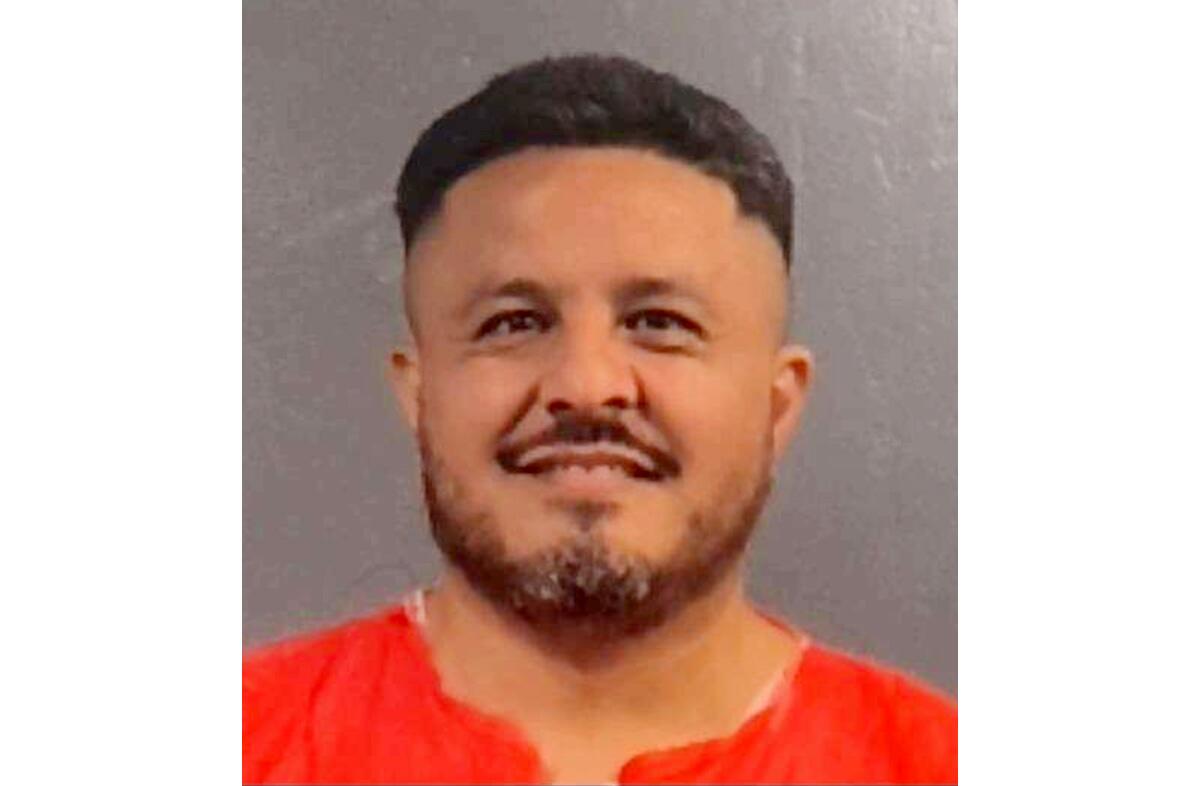
Imagine escaping a Northern California prison camp, fleeing over 500 miles south across an international border, getting caught by foreign police, and then just walking out the front door because of a legal technicality. It sounds like a movie plot. It isn't. It's exactly what happened to Miguel Banuelos this month.
State correctional officials are scrambling. The public is confused. A man serving a heavy drug sentence is roaming free somewhere, likely in Mexico, after a bizarre bureaucratic breakdown between United States law enforcement and a Mexican magistrate.
The story began on America's independence day. It quickly turned into an international game of hide and seek.
The Independence Day Disappearance
On July 4, 2026, Miguel Banuelos decided he had served enough time. The 49-year-old was living at the Washington Ridge Conservation Camp. This facility sits nestled in the dense woods of Northern California's Nevada County. It's not a maximum security prison with stone walls and gun towers. It's a fire camp.
Banuelos simply walked away.
Prison staff noticed him missing during a routine count. Local deputies flooded the surrounding mountain roads. K9 units sniffed through the brush. Drones buzzed over the pine canopy. For two days, search teams beat the bushes across Nevada County. They found absolutely nothing. Banuelos had vanished into thin air. Or so it seemed.
The Long Flight South
Escaping a minimum security facility is one thing. Staying free is another. Banuelos didn't hide out in the local wilderness. He put his head down and traveled fast.
Two days after his escape, California officials received a stunning update. Banuelos wasn't in Northern California anymore. He was in Tijuana, Mexico. That is a journey of more than 500 miles. He managed to traverse the entire length of California in roughly 48 hours. He crossed an international border line without getting flagged.
Mexican authorities moved in fast. On July 6, local police in Tijuana spotted Banuelos. They picked him up without a fight. No shootout. No dramatic car chase. It looked like a textbook arrest. California Department of Corrections and Rehabilitation officials breathed a sigh of relief. The system worked. The cross-border alliance held up.
Then the legal gears ground to a halt.
A Mexican Magistrate Opens the Door
Banuelos sat in a Mexican holding cell for four days. U.S. authorities expected a swift transfer back across the San Ysidro border crossing. That transfer never came.
On July 10, a Mexican magistrate ordered Banuelos released. He walked out of custody a free man. He disappeared into the sprawling streets of Tijuana.
American corrections officials have chosen to remain tight-lipped about the exact reason for this release. They won't explain why the ball dropped. They won't name the magistrate. This silence frustrates the public. It leaves a massive question mark over the entire operation.
We know Banuelos wasn't a minor offender. He was serving a seven-year sentence for serious narcotics charges. His conviction involved the transportation and sale of controlled substances. Specifically, police caught him with more than four kilograms of heroin or cocaine. That is a massive amount of contraband. His official release date wasn't until April 2028. He still had nearly two years left on his debt to society.
The Reality of California Fire Camps
To understand how this happened, you have to look at where Banuelos started. Washington Ridge isn't Folsom or San Quentin. It's an adult conservation camp.
California relies heavily on these camps. The state uses incarcerated people to fight devastating wildfires, clear brush, and maintain public lands. It saves taxpayers millions of dollars every year. It also gives low-level inmates a chance to work outside. They earn better wages and shave time off their sentences.
The security at these camps relies on an honor system. There are no massive chain-link fences topped with razor wire. There are no armed guards watching from towers. Inmates live in barracks. They can literally walk into the woods if they choose to do so.
The state screens candidates carefully for these programs. Violent offenders, sex offenders, and high-level cartel bosses don't get sent to fire camps. Inmates with a history of escape attempts stay behind real bars. Banuelos cleared these hurdles because his crimes were purely financial and drug-related. He wasn't deemed a violent threat. He took advantage of that trust.
The Mirage of Border Security
Many people assume the southern border is an impassable wall. The Banuelos case shows the gaps in that theory. A fugitive on foot or in a cheap regional bus can move south with incredible ease.
Going north across the border is difficult. Internal checkpoints, biometric scanners, and heavily armed border patrol agents make illegal entry into the United States a massive challenge. Going south is a different story. Mexican border entry points often wave vehicles through with minimal inspection. If you don't look suspicious, you can drive straight into Baja California.
Banuelos clearly knew this loophole. He used the holiday weekend confusion to slip through the cracks. He reached a safe haven before California authorities even mapped out their local search perimeters.
International Law and Extradition Bottlenecks
Why did a Mexican magistrate let a convicted American felon go free? The answer lies in the messy world of international treaties.
The United States and Mexico share a complex extradition treaty. It requires specific paperwork, formal diplomatic channels, and a clear presentation of charges. If an American law enforcement agency wants a suspect back, they must submit a formal provisional arrest warrant request through the U.S. Department of Justice and the Department of State.
This process takes time. Four days is an eternity in a foreign court. If the American paperwork contains a single typo, a Mexican judge can throw the case out. If the local authorities fail to present the correct certified copies of the original California conviction within the strict statutory timeframe, the magistrate has no legal right to hold the prisoner under Mexican law.
Mexico guards its national sovereignty fiercely. Mexican judges do not work for the state of California. If the CDCR or federal handlers failed to provide the necessary legal justification to hold Banuelos under international protocols, the magistrate did what the law required. He let him go.
The CDCR Tracking Record
The state wants you to know this escape is an anomaly. CDCR statistical data shows an incredible track record for catching runaways. Since 1977, nearly every single person who has escaped or walked away from an adult institution, fire camp, or community placement has been caught.
The tracking units don't give up. The Office of Correctional Safety employs specialized agents who spend their entire careers hunting down fugitives. They monitor phone calls. They track social media accounts. They interview ex-girlfriends, cousins, and old associates. They wait for the runner to make a stupid mistake.
Eventually, most escapees mess up. They get homesick. They run out of money. They commit a petty crime and get fingerprinted. The law usually wins this game of endurance.
But Mexico complicates things. If Banuelos stays south of the border and keeps a low profile, he can stretch this run out for years. Tijuana is a city of over two million people. It's easy to blend in if you have cash and connections.
What Happens Next
The hunt for Miguel Banuelos has entered a new phase. It's no longer a local search with tracking dogs in Nevada County. It's a federal and international intelligence operation.
Special agents are working the phones. They are trying to repair the diplomatic bridge that collapsed on July 10. They need to secure a fresh, airtight international warrant that Mexican federal authorities can use to re-arrest Banuelos without a magistrate throwing it out again.
The public can help if Banuelos makes the mistake of returning to American soil. He stands about average height, with features typical of a 49-year-old male of his background. If you spot someone matching his description or have concrete information about his movements before he hit the border, law enforcement wants to hear from you.
You can contact your local police department immediately by dialing 911. If you prefer to deal directly with the people running the case, call the Nevada County Sheriff's Office.
The CDCR has also assigned a specific point person to handle incoming tips. You can reach Office of Correctional Safety Special Agent Tim Keeney directly at (916) 210-9159.
Don't try to investigate this yourself. Keep your eyes open, note the details, and let the professionals handle the legwork. Banuelos managed to beat the system once. He won't stay lucky forever.