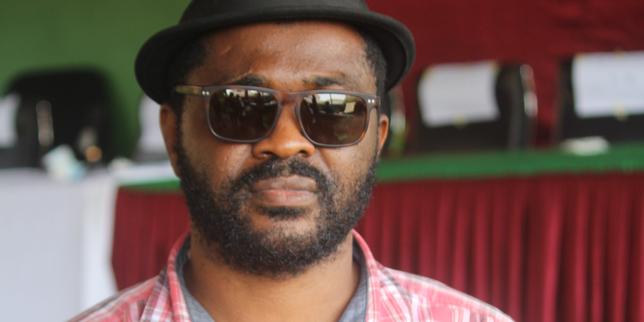
Two years is a long time to live in total silence. On July 9, 2024, prominent Guinean activists Oumar Sylla, widely known as Foniké Menguè, and Mamadou Billo Bah vanished from Conakry. Armed, hooded men snatched them from their homes. Since that night, their families have received zero news, zero official explanations, and zero cooperation from the Guinean government.
Now, the legal battle has shifted to Europe. Today, exactly two years after that terrifying night, the wives of the missing activists have filed a devastating new legal complaint in Paris. This isn't just another public relations stunt or a symbolic press release. They filed a specific legal mechanism called a plainte avec constitution de partie civile.
This action directly targets General Mamadi Doumbouya, the military leader who seized power in Guinea in 2021 and cemented his rule through a highly contested presidential election in December 2025. It changes the legal reality for Doumbouya. He holds French citizenship. Because of that passport, he can't simply wave away the authority of French judges.
The Legal Mechanism That Breaks the Deadlock
A regular complaint filed with a public prosecutor often goes to die in a bureaucratic drawer. That's essentially what happened to the initial complaint filed back in late 2024. Prosecutors have wide discretion. They can choose to stall, de-prioritize, or outright dismiss a case to avoid diplomatic headaches.
This new complaint bypasses the prosecutor entirely. By registering as a partie civile, the families force the French judicial system to appoint an independent investigating magistrate, known as a juge d'instruction.
French law gives these magistrates immense investigative powers. They don't report to politicians. They don't care about diplomatic immunity if a French citizen is accused of an international crime like enforced disappearance. The magistrate is legally obligated to open an independent criminal investigation. They will look into who ordered the abductions, who carried them out, and who covered them up.
Conakry can no longer ignore this. The absolute wall of silence built by the Guinean judiciary has a massive crack in it.
Why Doumbouya's French Passport Is a Trap
Dictators usually operate with total impunity within their own borders. They control the local judges, the police, and the military barracks. Guinea's domestic courts have shown zero appetite for investigating the fate of Foniké Menguè and Billo Bah. In fact, local officials have repeatedly denied even holding the men, despite eyewitness accounts pointing directly to elite military units.
Doumbouya has a unique vulnerability. He served in the French Foreign Legion. He acquired French nationality during his life. Under the French penal code, any French citizen who commits a crime abroad can be prosecuted in France.
Enforced disappearance is considered a continuous crime under international law. The offense doesn't end when the victim is taken. It continues every single second the victim remains missing and their fate is concealed.
Lawyers William Bourdon and Vincent Brengarth, who represent the families in Paris, are pulling a brilliant legal lever. They are using Doumbouya's own ties to France to strip him of his domestic impunity. If the investigating magistrate uncovers sufficient evidence, they can issue an international arrest warrant.
Imagine a sitting African head of state unable to step foot in Europe, or any country with an extradition treaty with France, without risking immediate arrest. It completely flips the power dynamic.
The Night the Lights Went Out in Conakry
To understand the weight of this new lawsuit, look back at the events of July 9, 2024. Foniké Menguè and Mamadou Billo Bah were leaders of the National Front for the Defense of the Constitution, or FNDC. This citizen coalition led the protests against the previous regime and initially cautious welcomed Doumbouya's 2021 coup when he promised a quick return to democracy.
The junta broke those promises. When the FNDC called out the military's attempts to prolong their grip on power, the regime banned the coalition.
The abduction was brutal. Armed men in uniform broke into Sylla's home. Eyewitnesses and a fellow detainee who was later released confirmed that the men were severely beaten and tortured. They were allegedly taken to a notorious military detention center on the island of Kassa, just off the coast of Conakry.
Then, the trail went cold. The government stayed silent. The prime minister even suggested in public statements that the activists might have staged their own disappearances to discredit the state. That excuse sounded hollow then, and it sounds downright cruel two years later.
A Wider Strategy of Isolation
This new French lawsuit doesn't exist in a vacuum. Just yesterday, the judicial system in Paris made another historic move against the Guinean state. A French court recognized a long-ignored ruling by the ECOWAS Community Court of Justice regarding the 2012 Zogota massacre, where Guinean security forces killed several villagers during mining protests.
The French court granted an exequatur, which means the international judgment can now be enforced on French soil. The victims of that old massacre can now legally seize Guinean state assets held in France to secure their court-ordered compensation.
Look at these two events together. On July 8, a court opens the door to seizing state property. On July 9, a criminal complaint targets the president himself. France is rapidly shifting from a safe haven for the Guinean elite's assets into a legal minefield.
The timing is terrible for Doumbouya. His transition government was supposed to hand over power to a civilian government. Instead, he organized an election in December 2025, ran as a candidate, and won a highly controversial victory that the opposition denounced as a sham. The country is economically strained, and human rights organizations like Amnesty International and Human Rights Watch are constantly documenting a worsening climate of fear.
Actionable Next Steps for Tracking the Case
The legal gears in Paris move slowly, but they move deliberately. If you are an international observer, a human rights advocate, or a member of the Guinean diaspora, here is how to track and push this case forward.
- Monitor the appointment of the Juge d'Instruction. The immediate next step is the formal designation of the magistrate in Paris. This should happen within the coming weeks. Once appointed, watch for formal requests for information sent to the Guinean presidency.
- Lobby for targeted sanctions. Use the filing of this formal complaint to pressure EU and US lawmakers. Dictators don't care about strongly worded statements. They care when their foreign bank accounts are frozen and their travel visas are revoked. Frame the French criminal case as a definitive reason to implement global Magnitsky sanctions against the individuals named in the filing.
- Amplify the testimonies of survivors. The case relies heavily on the testimony of individuals who were detained alongside Sylla and Bah before being released. Protecting these witnesses and keeping their accounts in the public eye prevents the Guinean regime from rewriting the narrative.
The era of effortless cross-border impunity is ending. Mamadi Doumbouya wanted the prestige and security of a French passport. He is about to find out that it comes with a court date.