Donald Trump just claimed his biggest scalp of the 2026 primary cycle.
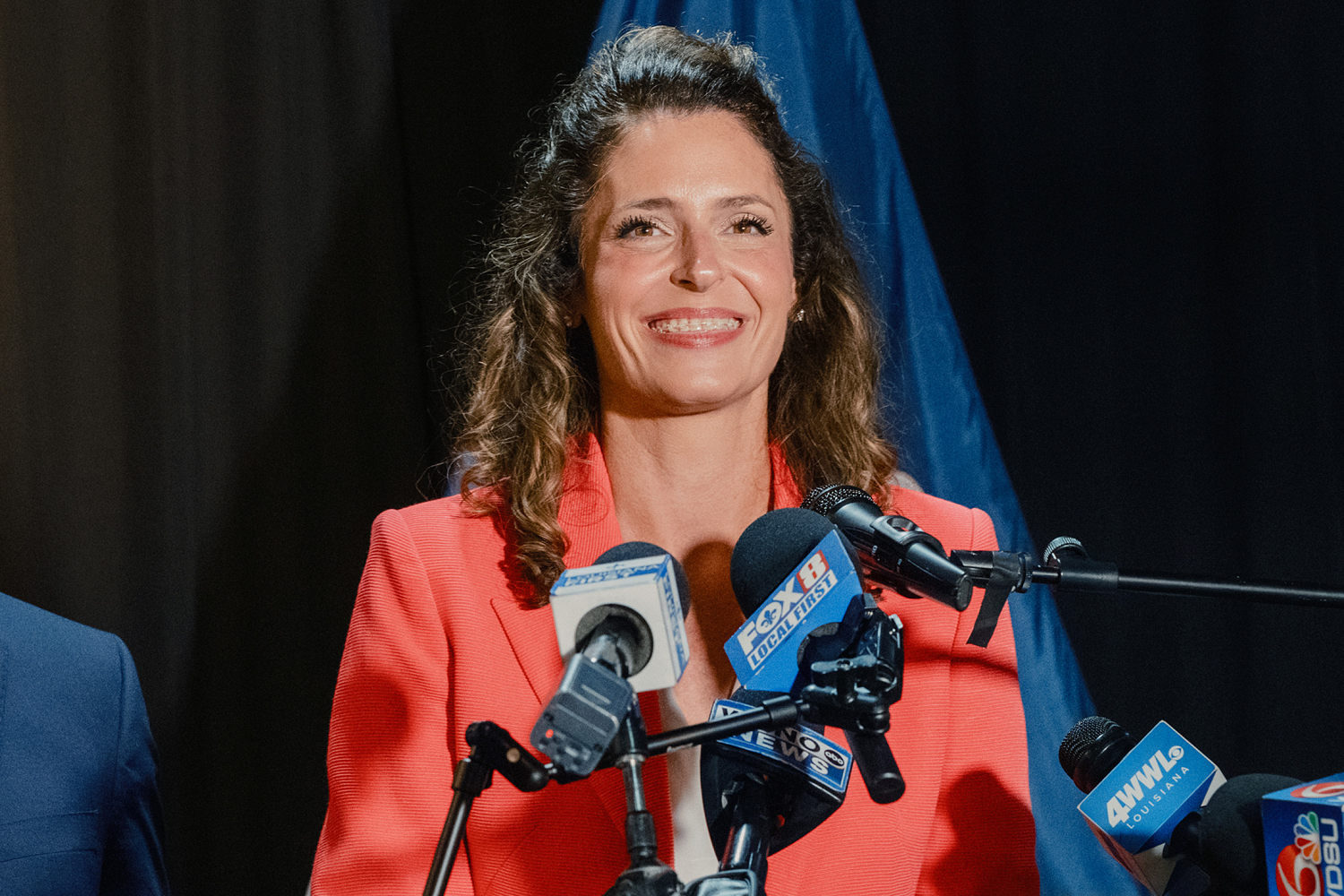
Congresswoman Julia Letlow won the Louisiana Republican Senate primary runoff on Saturday, securing 56.9% of the vote to defeat state Treasurer John Fleming. Her victory seals the fate of incumbent Senator Bill Cassidy, who didn't even make it past the first round of voting in May.
If you want to understand where the modern GOP stands, stop looking at Washington policy papers. Look at Louisiana. The entire race boiled down to a simple test of absolute loyalty to Trump, and Letlow passed with flying colors. By clearing out Cassidy—one of the few remaining Republican senators who voted to convict Trump during his 2021 impeachment trial—the MAGA movement proved its grip on the party isn't fading. It's tightening.
Let's look at what this messy, expensive race tells us about the future of conservative politics and why the traditional rules of incumbency no longer apply.
The Impeachment Vote That Sabotaged an Incumbent
Bill Cassidy thought his record would save him. He sat at the top of the powerful Senate health committee, brought billions in federal infrastructure dollars home to Louisiana, and carried a deep chest of over $13 million in campaign funds.
None of it mattered.
The moment Cassidy voted to convict Trump over the January 6 Capitol riot, his expiration date was stamped. Trump spent months calling Cassidy a "disloyal disaster." The political reality in 2026 is that primary voters don't care about committee chairs or legislative wins if they perceive a betrayal of the party leader.
In the May primary, Louisiana voters sent a brutal message. Cassidy pulled a measly 24.4% of the vote, finishing a distant third behind Letlow and Fleming. He couldn't even survive long enough to reach the runoff. It fits a broader national pattern this spring where Trump-backed challengers ousted high-profile Republicans like Kentucky Representative Thomas Massie and Texas Senator John Cornyn. Loyalty is the only currency that buys survival in today's GOP.
How Letlow Outmaneuvered a Trump Devotee
With Cassidy out of the picture, the June 27 runoff between Letlow and John Fleming became a fascinating case study in MAGA branding.
Fleming wasn't some moderate anti-Trump Republican. He served as Trump’s deputy chief of staff in the White House and carried a hyper-conservative voting record from his previous time in the U.S. House. He campaigned aggressively as a true believer.
But Letlow had the golden ticket: the explicit endorsement Trump handed her back in January before she even officially jumped into the race.
Louisiana GOP Senate Runoff Results (June 27, 2026):
- Julia Letlow: 56.9% (178,407 votes)
- John Fleming: 43.1% (135,032 votes)
The campaign turned vicious over the final weeks. Fleming tried to tank Letlow by digging up a 2020 interview where she expressed support for Diversity, Equity, and Inclusion (DEI) initiatives while applying for a university presidency. Letlow countered that she now completely opposes DEI, but the fight hit a boiling point when Fleming shared an AI-generated deepfake video on social media. The fake clip showed Letlow backing DEI and even referenced her late husband, Luke Letlow, who tragically died of COVID-19 in 2020 just days before taking his congressional seat.
Letlow slammed the deepfake as "disgraceful," and the backlash likely helped her among higher-information suburban voters. While Fleming tried to claim he was the more authentic conservative, Letlow’s institutional backing from Governor Jeff Landry, House Majority Leader Steve Scalise, and Trump himself formed an unbreakable wall.
The Blueprint for Winning a Modern Primary
Letlow's victory offers a clear playbook for anyone running in a deep-red state.
First, secure the endorsement early. Louisiana leaders actually changed the state's election laws through House Bill 17, ditching the old "jungle primary" system for traditional partisan primaries. This forced voters to pick a Republican ballot, amplifying the influence of the party's core conservative base. Letlow used Trump's blessing to consolidate that base immediately.
Second, outspend the opposition through outside groups. While Letlow and Fleming spent comparable amounts directly from their campaigns—around $1 million each after the primary—a pro-Letlow super PAC called the Accountability Project flooded the airwaves with $4 million in advertising over the final weeks.
Third, lean heavily into cultural touchstones. Letlow didn't run on complex tax policy. She focused on securing the border, fighting inflation, and championing social conservative priorities like federal bans on transgender athletes in women's sports.
What Happens Next in Louisiana
Don't expect a thrilling general election in November.
Letlow will face Democrat Jamie Davis, a farmer who won his own low-profile Democratic runoff on Saturday against entrepreneur Gary Crockett. A Democrat hasn't won a Senate race in Louisiana since 2008. In a state that votes reliably red, Letlow is virtually guaranteed to coast into the Senate.
When she takes her seat, she will make history as the first Republican woman ever elected to the U.S. Senate from Louisiana. More importantly, she enters Washington with zero political debt to the old-school establishment. Her allegiance belongs to the voters who backed her, the super PACs that funded her, and the man in Mar-a-Lago who made her candidacy possible.
If you are a Republican politician planning for the 2028 cycle or looking at upcoming congressional races, the lesson from Louisiana is staring you in the face. Local achievements don't protect you from a loyalty deficit, and you can't out-MAGA a candidate who has the official stamp of approval from the top. Get the endorsement, lock down the super PAC money, and don't look back.