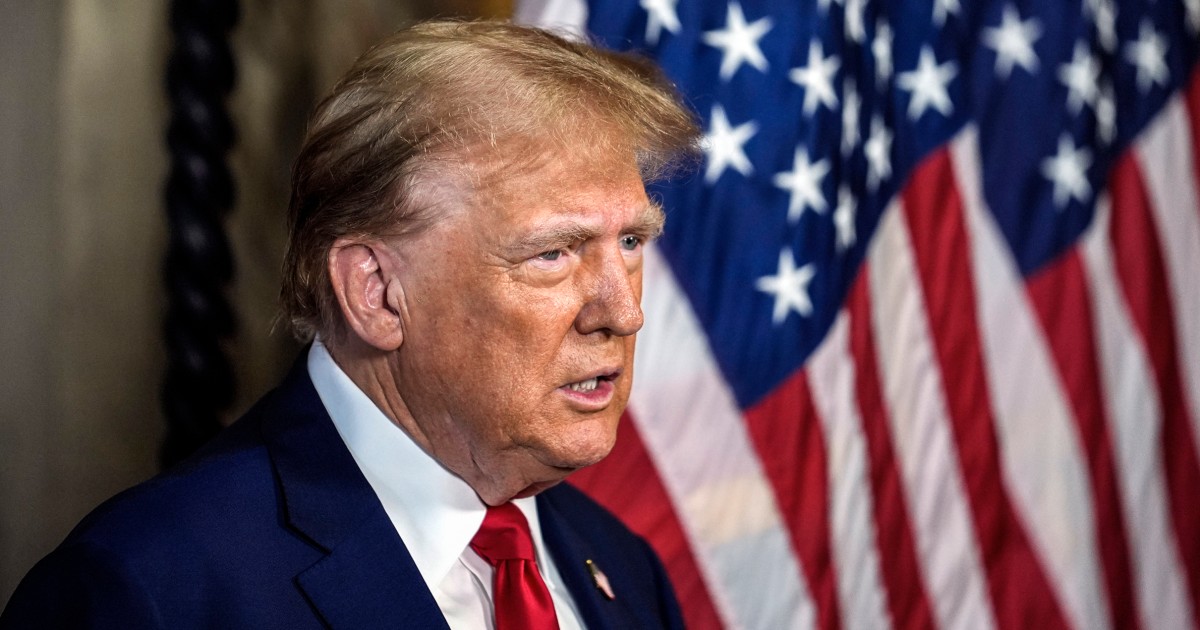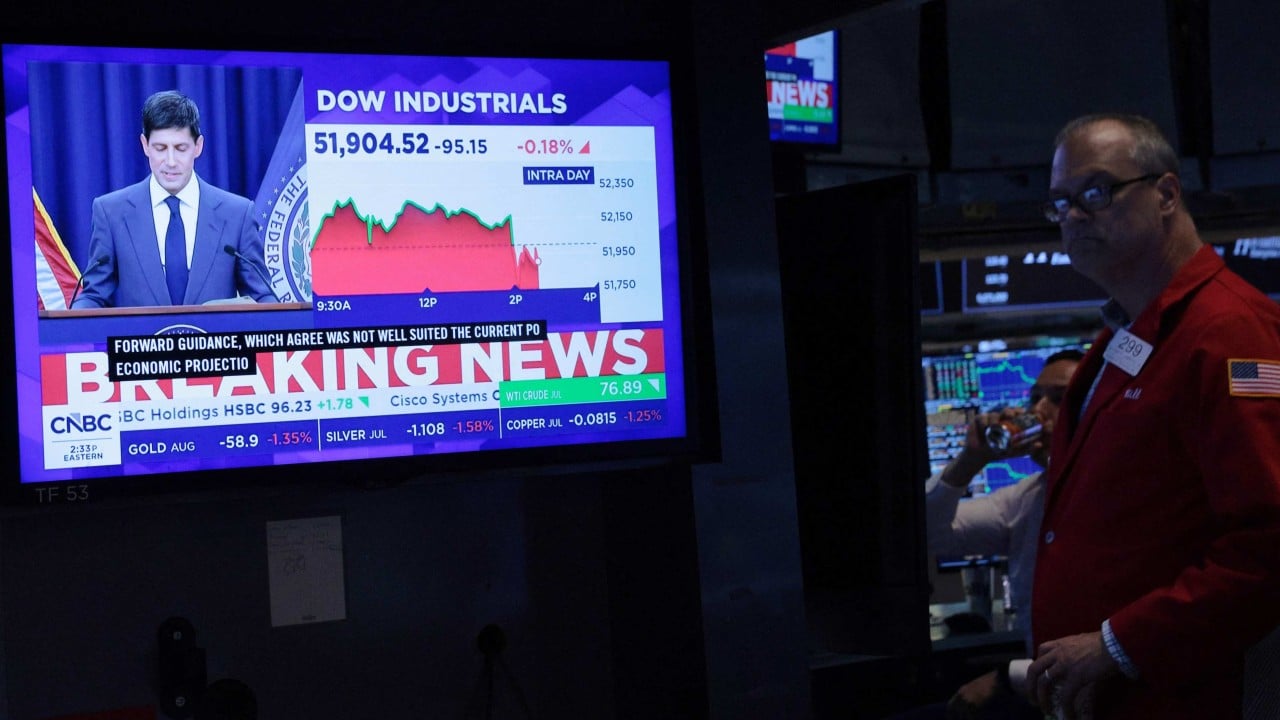
Central banking isn't supposed to be a guessing game, but under its new leadership, the Federal Reserve is turning into a black box.
Ever since Kevin Warsh took over as the 17th chair of the Federal Reserve in May 2026, the financial world has been forced to adjust to a jarring new reality. The era of the chatty central banker is over. The endless parade of speeches, the highly choreographed "forward guidance," and the predictable policy roadmaps that defined Jerome Powell’s tenure have been tossed aside.
Instead, we have silence. Or, at least, a version of it that has global markets feeling incredibly twitchy.
If you're trying to figure out where interest rates are headed, you aren't getting the usual breadcrumbs anymore. Warsh has made it clear he wants a "regime change". He launched five distinct policy task forces to rethink how the central bank communicates and makes decisions, specifically aiming to dial back forward guidance. But while cutting back on central bank noise sounds great in a textbook, the reality is messy.
By staying quiet, the Fed isn't just resetting expectations at home. It's exporting massive volatility to the rest of the world.
The Death of Forward Guidance and the Rise of the Guessing Game
For more than a decade, global markets got hooked on Fed hand-holding. Policymakers basically told investors exactly what they were going to do months in advance. It was supposed to prevent market tantrums, but it also created a false sense of security. It made investors lazy.
Warsh’s philosophy is different. He believes forward guidance is counterproductive. He thinks it boxes the Fed into corners, forcing it to stick to outdated plans even when the economic data changes. His solution? Stop promising the future.
But here is what happens when the world’s most important central bank goes quiet. The market doesn't stop trying to predict the future; it just starts guessing wildly.
Right now, the Fed is keeping its benchmark interest rate steady in the range of 3.50% to 3.75%. On paper, that sounds stable. But look under the hood. At the start of the year, everyone expected rate cuts. Now, because of sticky inflation and a surprisingly stubborn labor market, futures markets are pricing in the possibility of rates climbing to 4% by the end of the year.
Because the Fed won't offer a clear narrative, every single economic data point triggers an overreaction. A slightly hot inflation report or an unexpected employment print sends bond yields screaming upward. We're trading a stable policy path for daily market whiplash.
Why the Rest of the World Pays the Price
When the Fed sneezes, the rest of the world catches pneumonia. That old market adage is truer than ever today.
Developing economies and European markets rely on Fed predictability to manage their own currencies and debt. When the US central bank refuses to telegraph its moves, foreign central banks are left flying blind.
- Currency Depreciations: As US yields jump on fears of a hawkish Fed shift, capital flights back to the dollar. This hammers emerging market currencies, making their dollar-denominated debt incredibly expensive to service.
- Imported Inflation: A weaker local currency means importing goods—especially commodities priced in dollars—becomes far more expensive. Foreign central banks are forced to keep their own interest rates painfully high just to defend their currencies, even if their domestic economies are sputtering.
- The Credibility Gap: Central banks like the European Central Bank (ECB) or the Bank of England have to make policy decisions based on what they think the Fed will do. When the Fed refuses to communicate its reaction function, those banks risk making massive policy errors of their own.
It's easy to argue that the Fed's only job is to manage the US economy. That's technically true under its mandate. But in a deeply interconnected global financial system, pretending US monetary policy exists in a vacuum is a dangerous fantasy.
The Divided Fed and the Limits of One Man's Vision
It's tempting to view this shift entirely as Warsh's personal crusade, but he doesn't run the Federal Open Market Committee (FOMC) as a dictatorship. He's one vote of twelve.
The transition to this new, quieter Fed is happening against the backdrop of a deeply divided committee. Warsh's hawkish instinct to shrink the balance sheet and dismantle forward guidance is hitting friction from other institutional heavyweights.
The Institutional Friction: While Warsh wants to overhaul how the Fed communicates, career policymakers and regional Fed presidents are highly wary of abruptly cutting off the market’s information flow. They know that total silence can trigger liquidity dry-ups in the Treasury market—the plumbing of the global financial system.
This internal pushback is likely why the Fed has hit a holding pattern, keeping rates steady while those five task forces complete their work. But this limbo state might actually be the worst of both worlds. The market knows a structural shift is coming, but has no idea what the final communication playbook will look like.
Actionable Steps for Navigating the New Fed Era
We aren't going back to the era of predictable, hand-held monetary policy anytime soon. Investors and businesses need to adapt to a Fed that prefers to keep its cards close to its chest.
If you're managing capital or running a business in this environment, here is how you adjust:
- Ditch the Forecasts, Watch the Data: Don't waste time analyzing what Fed officials might mean in their brief statements. Focus entirely on realized economic data—specifically core CPI, services inflation, and employment trends. The Fed is reacting to the data in real-time, and you must do the same.
- Shorten Your Duration: With rate volatility staying high, locking yourself into long-term fixed income is incredibly risky. Shorter-duration assets or building bond ladders—using short-term Treasury ETFs or corporate ladders—helps capture yield without exposing you to massive interest rate swings.
- Build a Currency Buffer: If you operate an international business, expect the US dollar to remain highly volatile and structurally strong as long as Fed policy remains an unpredictable guessing game. Hedge your foreign exchange exposure more aggressively than you did during the Powell years.
- Expect Policy Surprises: Accept that "shocks" are the new normal. Instead of assuming a smooth, telegraphed rate cycle, stress-test your business models and portfolios for sudden 25 or 50 basis point moves that the market didn't see coming.
Silence might be a virtue in some parts of life, but in global finance, it's an expensive luxury. As the Warsh Fed continues its quiet experiment, the cost of guessing wrong is only going up.