He was supposed to be the ultimate safe pair of hands. When Keir Starmer walked into 10 Downing Street in July 2024, ending 14 years of Conservative rule, his supporters promised a return to serious, methodical government. Instead, less than two years later, his premiership has hit a brick wall. His announcement that he is stepping down as Labour leader marks one of the fastest unravelings in modern British political history.
To understand how a man with an immaculate resume as a human rights lawyer and Director of Public Prosecutions lost his grip on power so quickly, you have to look past the standard political scripts. The conventional narrative says he simply lacked charisma. The reality is far more complex. His downfall wasn't caused by a lack of personality, but by a fundamental conflict between his rigid, legalistic approach to leadership and the chaotic nature of public life.
From Southwark to the Crown Prosecution Service
Long before he entered Parliament, his trajectory was defined by an intense focus on the letter of the law. Born in Southwark in 1962 and raised in a small town in Surrey, his roots were firmly working-class. His dad worked as a toolmaker in a factory, and his mum was a nurse. He became the first person in his family to graduate from university, studying law at the University of Leeds before completing postgraduate work at Oxford.
By 1990, he co-founded Doughty Street Chambers. This wasn't a standard corporate law firm. It was a radical collective focused on human rights and civil liberties. He spent years defending activists, challenging the death penalty in Commonwealth nations, and representing the underdog. His most famous victory from this era was the grueling McLibel case, where he worked for free to help two green activists defend themselves against a legal assault from McDonald’s.
Then came the turn that surprised his radical peers. In 2008, he moved from defending individuals against the state to running the state’s prosecution system. As the Director of Public Prosecutions, he commanded the Crown Prosecution Service.
His five years in that office left a deeply complicated record. On one hand, he modernized a clunky system, introducing digital systems and shifting away from massive stacks of paper files. He successfully prosecuted MPs caught up in the 2010 parliamentary expenses scandal. On the other hand, his decisions drew fierce criticism from both sides of the political aisle. During the 2011 London riots, he authorized 24-hour court sessions to fast-track convictions. It was a display of ruthless efficiency that pleased hardliners but deeply troubled civil liberties advocates who felt the rush compromised justice.
The Reluctant Politician Entangled in Brexit
He didn't enter the House of Commons until 2015, winning the safe London seat of Holborn and St Pancras at the age of 52. He arrived late to Westminster, bringing the mindset of a senior lawyer rather than a seasoned political operator.
Within a year, the UK voted to leave the European Union, plunging the country into a multi-year constitutional crisis. Jeremy Corbyn, then the left-wing leader of the Labour Party, appointed Starmer as Shadow Brexit Secretary. It was a brutal assignment. The party was hopelessly divided between its metropolitan, pro-EU base in London and its traditional, pro-Brexit working-class voters in the north of England.
He handled the crisis like a lawyer managing a messy corporate restructuring. He drafted complex compromises and championed the idea of a second referendum, trying to satisfy conflicting factions with technical arguments. While his forensic questioning of Conservative ministers at the dispatch box won him praise from journalists, it also cemented his reputation as someone who viewed political crises as legal briefs to be managed rather than moral crusades to be led.
When Labour suffered its worst electoral defeat since 1935 in the 2019 general election, Corbyn stepped down. He saw his opening.
The Policy Shifts That Fractured the Labour Party
To win the Labour leadership in 2020, he ran on a platform of ten explicit pledges. These promises kept many of Corbyn’s core economic policies, including the nationalization of water and electricity companies, and a commitment to scrap university tuition fees. He explicitly marketed himself as a unifying figure who would combine radical socialist policies with professional competence.
Once he secured the leadership, his strategy changed completely. He systematically abandoned almost every single one of those ten pledges. He dropped the commitment to scrap tuition fees, backed away from sweeping nationalization plans, and scaled back a flagship 28 billion pound green energy investment plan.
His allies argued this was necessary pragmatism. They pointed out that the economic landscape had worsened significantly since 2020, making massive spending plans reckless. They believed that to win over conservative-leaning voters, Labour had to look safe and fiscally cautious.
The internal party left saw it as an outright betrayal. By purging left-wing candidates and removing the whip from Jeremy Corbyn himself, he managed to secure total control over the party apparatus, but he did so at a tremendous long-term cost. He created a deep pool of resentment among his own activists and MPs. They didn't trust his word, and they were simply waiting for the right moment to strike back.
Winning the 2024 Election by Default
The general election of July 2024 looked like a historic triumph on paper. Labour won a massive parliamentary majority, completely wiping out the Conservatives.
A closer look at the actual vote data revealed a much fragile reality. Labour’s landslide wasn't fueled by a sudden wave of enthusiasm for Starmer's vision. The party’s total vote share was actually lower than what it achieved under Corbyn in 2017. They won because the Conservative vote utterly collapsed, split apart by the rise of Nigel Farage's Reform party.
He entered Downing Street with a huge majority in parliament but an incredibly shallow mandate from the public. Voters hadn't fallen in love with Labour; they had simply decided to punish the Tories.
The Short, Rocky Road to Resignation
Governing requires a clear, compelling narrative. You have to tell the public where you are taking the country and why the pain along the way is worth it. This is exactly where his legalistic style failed him as Prime Minister.
Instead of laying out an inspiring project for national renewal, his administration spent its first few months focused on grim economic bookkeeping and bureaucratic updates. He struggled to connect with ordinary people who were still feeling the squeeze of high inflation and crumbling public services.
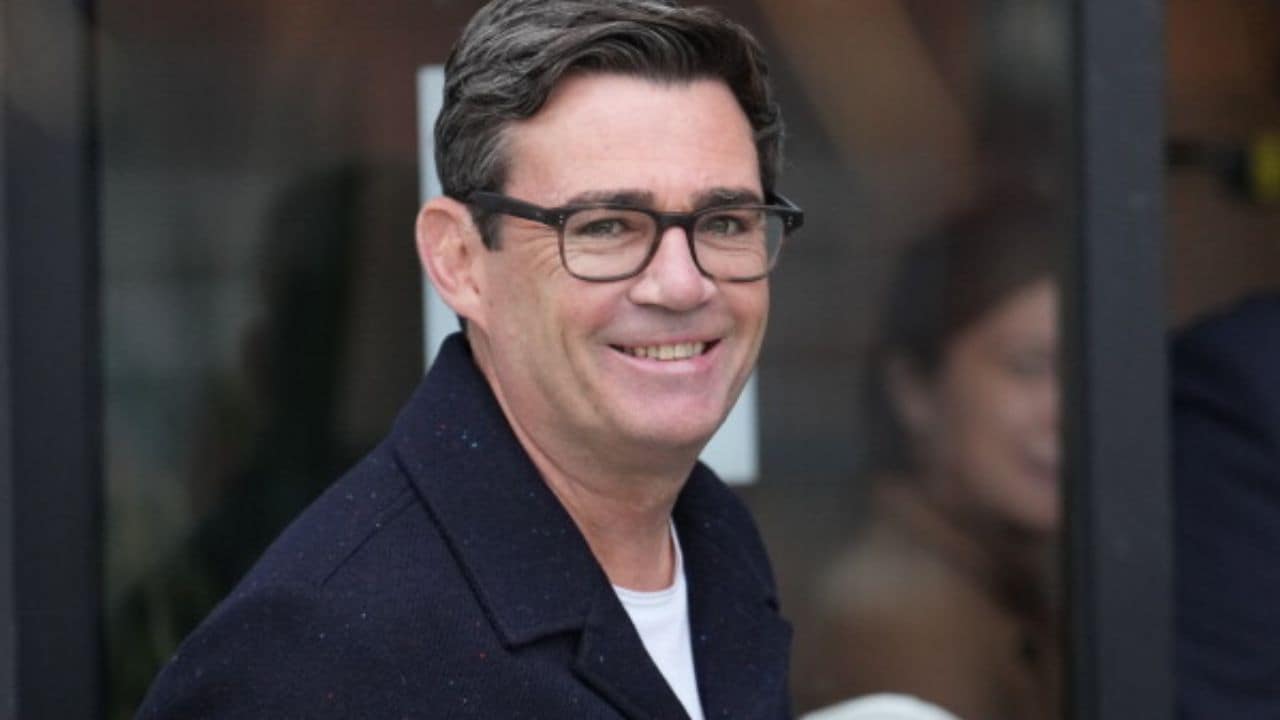
The turning point arrived with a major political comeback. Andy Burnham, the highly popular former Mayor of Manchester, won a crucial Westminster by-election in Makerfield, marking his return to Parliament. Burnham had long been viewed by the Labour left and regional voters as the leader who should have been. Unlike Starmer, Burnham possesses a natural, empathetic communication style and a clear regional power base outside London.
Within days of Burnham's return to the House of Commons, the long-simmering discontent inside the parliamentary Labour party boiled over. Over 200 Labour MPs quietly made it clear that they no longer backed the Prime Minister's approach. Realizing he had lost the confidence of his own backbenches and faced with an inevitable leadership challenge from Burnham's allies, he chose to announce his departure on June 22, 2026. He will remain in office only until a successor is chosen.
What Happens Next
The sudden end of his political project leaves the British government in a state of flux. If you want to understand where the country goes from here, keep your eyes on these immediate developments.
- Track the Labour Leadership Race: Watch how candidates position themselves over the coming weeks. Andy Burnham enters the contest as the clear favorite, backed by a massive coalition of regional MPs and party traditionalists.
- Monitor Government Policy Drift: With a lame-duck Prime Minister at the helm until the autumn, major domestic policy decisions on housing, healthcare, and immigration reform will essentially be put on ice.
- Watch the Conservative and Reform Response: The opposition parties will try to exploit this internal Labour civil war, arguing that the government is too busy fighting itself to run the country.
His career demonstrates that while a background in senior management and the law can get you to the top of British politics, it isn't enough to keep you there. Without a deep, authentic connection to your party's base and a clear story to tell the public, a massive parliamentary majority can disappear surprisingly fast.
BBC Analysis of the Political Resignation Crisis provides an essential window into the immediate fallout inside Westminster, showing exactly how the numbers stacked up against the Prime Minister before his final announcement.