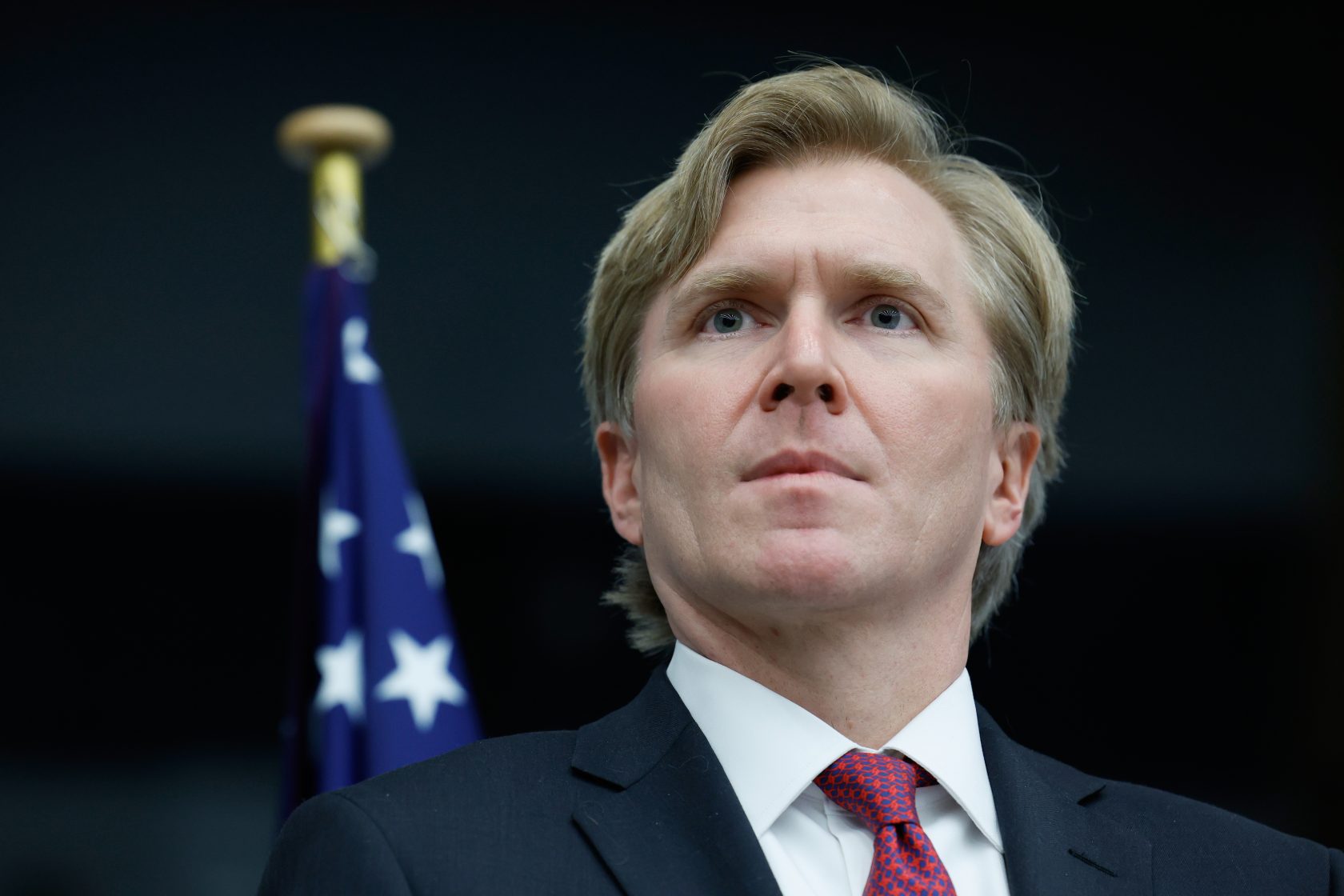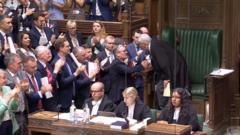
He stood at the dispatch box, took a deep breath, and looked out at a packed, rowdy chamber. It was a familiar room, but this time, the atmosphere was completely different. No jeers. No mocking laughter. On Wednesday, July 15, 2026, Keir Starmer faced his final Prime Minister’s Questions. He ended it with a simple, quiet "Goodbye."
Then came the applause. For an alternative look, check out: this related article.
Labour MPs stood up. They clapped. Some opposition members joined in. It was a classic Westminster send-off, full of the usual pomp and feigned warmth. But behind that standing ovation lies a much darker, messy reality for British politics. Starmer’s exit isn't just a personal retirement. It is the collapse of a political project that was supposed to last a decade.
If you only watched the BBC’s quick clip, you missed the real story. Here's what actually happened inside the room, what drove Starmer out, and why his rapid downfall matters for the future of the UK. Further insight on this trend has been provided by Reuters.
From Landslide to Caretaker in Two Years
It is hard to overstate how quickly the wheels fell off. In July 2024, Starmer led Labour to a massive, historic landslide victory. He promised steady, boring, competent governance. He told the public he would repair tattered public services and get the economy moving again.
He failed.
Two years later, he is out. Britain’s rotating door of prime ministers continues to spin, with Starmer officially becoming the sixth leader to depart Downing Street prematurely in a decade. He will walk up to Buckingham Palace on Monday to hand his formal resignation to King Charles III.
What went wrong? He simply couldn't deliver. The cost-of-living crisis kept biting. The economic growth he promised never materialized. Voters grew tired of the constant policy shifts and perceived weakness. Then came the local elections in May, where Reform UK hammered Labour. The final blow was his disastrous, baffling decision to appoint Peter Mandelson as the UK ambassador to the United States. Mandelson’s past ties to Jeffrey Epstein triggered an immediate, intense backlash. Starmer's own MPs turned on him, realizing he had become an electoral liability. He resigned on June 22, agreeing to stay on as a caretaker until his replacement was chosen.
Now, his political journey is over.
The Dark Shadow of Violence Over Parliament
The final PMQs session was remarkably gentle, but it opened with a sobering reminder of how toxic and dangerous British public life has become. Starmer began his remarks by expressing his horror at the recent killing of former lawmaker Ann Widdecombe. Counterterrorism police are currently investigating her death as murder.
It's a chilling statistic. Three sitting or former members of Parliament have been killed during Starmer's 11 years in the House.
Starmer didn't mince his words. He demanded that politicians do far more to protect and defend democratic institutions. The room went entirely quiet. For a brief moment, the tribal warfare of British politics stopped. Lawmakers from all sides nodded in agreement, recognizing the very real physical dangers they face just for doing their jobs.
Shifting Focus and the French Farewell
While his domestic record crumbled, Starmer spent his final days trying to secure his legacy on the world stage. Just twenty-four hours before his final PMQs, he was in Paris celebrating Bastille Day with French President Emmanuel Macron. Macron even presented him with the Legion of Honour, France's highest award, thanking him for his dedication to European security and his unwavering support for Ukraine.
During PMQs, Starmer leaned heavily into this international statesmanship. He shared an emotional story about Ukrainian President Volodymyr Zelenskyy’s recent visit to Downing Street. Starmer recalled walking out to hug Zelenskyy, and how the crowds gathered outside erupted in cheers to show their support.
It was a clever political move. By focusing on foreign policy and defense, Starmer tried to elevate his image above the messy, day-to-day failures of his domestic agenda. But back home, the British public is far more concerned with failing hospitals, high taxes, and rising bills than international medals.
The Coronation of Andy Burnham
While Starmer says goodbye, the gaze of the country has already shifted to his successor.
Andy Burnham, the former Mayor of Greater Manchester, is set to take over the top job next week. In a striking display of party management, Burnham ran entirely unopposed in the leadership contest, securing the public backing of 349 Labour MPs. He will be officially announced as the new Labour leader on Friday.
During the session, the leader of the Opposition, Kemi Badenoch, tried to bait Starmer into giving his successor advice. Starmer refused to take the bait. He stated that he would keep his advice private, offering Burnham his "wholehearted support" instead. He then joked about the upcoming Euro football semi-final match against Argentina, saying he didn't care what the score was tonight, as long as the team won.
Burnham represents a major shift for the Labour government. He is seen as more charismatic, more populist, and far better at connecting with working-class voters who have started defecting to Nigel Farage’s Reform UK. He is also expected to push for a much closer relationship with the European Union. Whether Burnham can succeed where Starmer failed remains the defining question for the next three years.
An Emotional Exit and What Comes Next
Near the end of his speech, Starmer's robotic exterior finally cracked. His voice trembled with genuine emotion as he thanked his staff, his colleagues, and the civil servants who keep the country running.
Then he looked up at the gallery.
His wife, Victoria, and his two teenage children were watching from above. He told them he loved them, calling his family his "pride and joy." He acknowledged that while prime minister is the biggest job in the country, being a husband and father is the most important one. With a final, quiet "Goodbye," he stepped away from the dispatch box.
The room erupted.
It was a dignified end to a deeply troubled premiership. Starmer tried to paint a picture of a Britain left in "better shape" than he found it, but few outside the Parliament building truly believe that. He leaves behind a fractured party, a struggling economy, and a deeply disillusioned public.
The standing ovation was a polite gesture for a man who spent his life in public service. But don't let the applause fool you. The transition of power to Andy Burnham next week isn't a victory lap. It is an emergency rescue mission for the Labour Party, and the clock is already ticking.