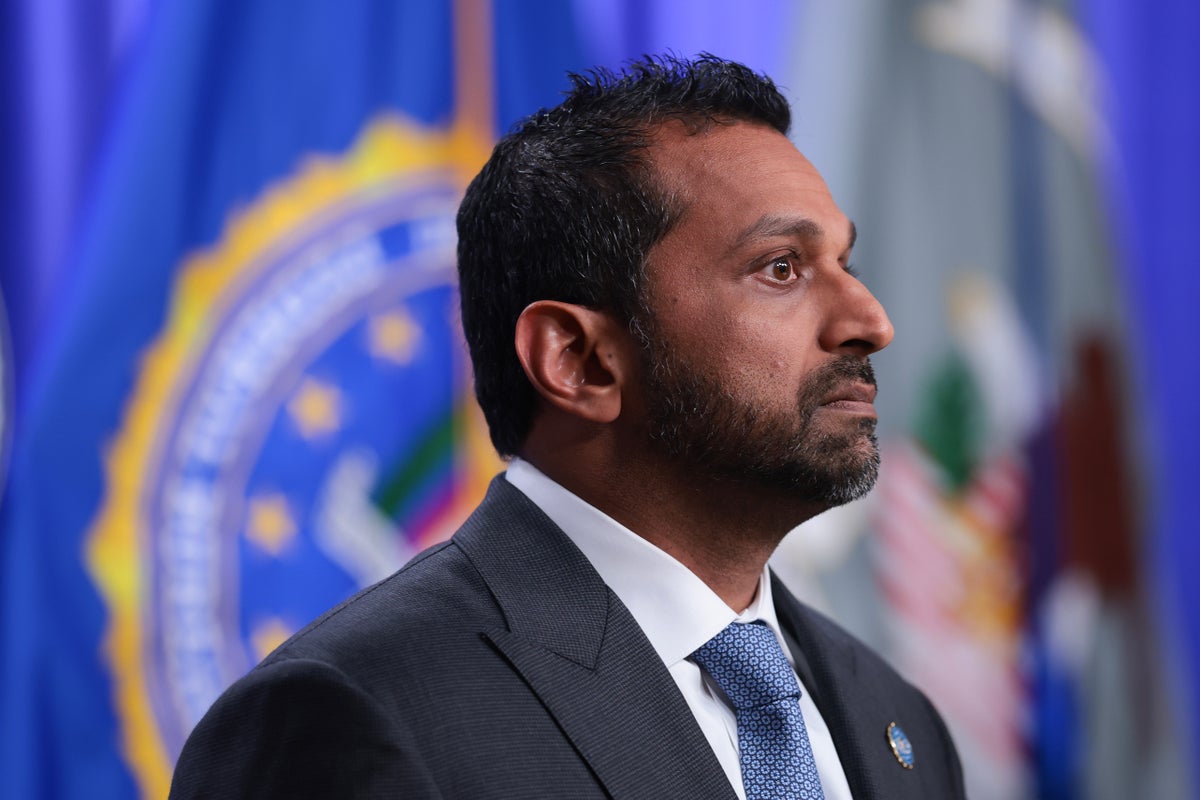
When news broke that FBI Director Kash Patel abruptly canceled his flight to visit his girlfriend in Chicago for an urgent White House meeting, social media erupted. Depending on who you ask, it was either proof of high-level chaos within the administration or just another routinely blown-out-of-proportion schedule tweak.
The real story isn't just about a canceled trip or a country singer performing at a festival. It's about the intense, ongoing war over how public officials use government resources and where the line between personal lifestyle and public service actually sits. If you liked this post, you should read: this related article.
The Real Breakdown Behind the Headlines
The official narrative came fast. Reports surfaced suggesting administration officials were frustrated with Patel's social media antics, including his public spats with news outlets. Right on queue, White House communications director Steven Cheung called the claims of internal frustration completely false.
Patel himself fired back on X, confirming he was at the White House while dismissing the surrounding rumors as pure garbage. For another perspective on this development, check out the latest update from Wikipedia.
Here is what actually happened beneath the spin.
Patel was scheduled to fly out to Chicago to visit his girlfriend, country singer Alexis Wilkins, who was performing at a local music festival. The plan included a stop at the FBI’s Chicago field office. Right before departure, the trip was scrapped for an unannounced White House summons.
While critics pounced on the timing, claiming the administration was reining him in, the White House maintained it was business as usual.
"The only thing worse than fake news reporting is their sources — all false except one thing — I was at the White House, true." — Kash Patel
Beyond the Drama: The Ongoing Flight and Resource Debate
This incident didn't happen in a vacuum. It's part of a much larger, ongoing battle between Patel, congressional oversight committees, and news organizations over his travel habits and resource deployment.
For months, lawmakers have scrutinized Patel's use of the FBI's Gulfstream jet and tactical security details. The controversy spans several key friction points:
- The Government Aircraft Policy: Executive branch rules actually require FBI directors to use government aircraft for all air travel—both official and personal—to ensure secure communications and immediate response capability.
- The Reimbursement Clause: While directors must use government planes, ethics regulations require them to reimburse the Treasury at commercial coach rates for non-official travel.
- Security Detail Deployment: Critics have questioned the use of specialized tactical agents to guard non-government figures, while the bureau maintains these measures respond directly to credible, documented threats.
Rep. Jamie Raskin and Sen. Dick Durbin launched bicameral inquiries into government resource management, while long-time oversight advocate Sen. Chuck Grassley sought detailed accounting records regarding aircraft operational expenses and fleet acquisitions.
The FBI has repeatedly stated that Patel complies fully with Office of Management and Budget rules, reimbursing all personal travel in the exact same manner as previous directors.
Why This Matters for Public Trust in 2026
When a high-profile official makes headlines over travel schedules or personal relationships, it's easy to get bogged down in the political theater. But these stories stick around because they hit a nerve about transparency.
Citizens want to know that tax dollars are spent strictly according to the rules. At the same time, top security officials face genuine, evolving threat environments that require unconventional logistics. When those two realities clash in the headlines, public trust usually takes the hit.
The drama over a canceled flight to Chicago isn't going to change agency policy overnight. But it does highlight how closely every move by high-ranking intelligence leadership is being watched, dissected, and debated.
What to Keep an Eye On Next
If you're tracking how this unfolds over the coming months, skip the social media commentary and focus on these tangible metrics:
- GAO and Congressional Audit Findings: Look for formal reports from the Government Accountability Office rather than preliminary press statements. Official audits provide the actual numbers on travel reimbursements and flight logs.
- Ethics Reform Proposals: Watch whether lawmakers introduce legislation to modify "required use" travel rules for agency heads.
- Official Press Briefings: Pay attention to verified updates from the FBI Public Affairs office regarding agency operational changes rather than anonymous leak reports.
Understanding the mechanics of federal oversight gives you a much clearer picture of what's actually happening in Washington than any viral headline ever could.
To understand how executive travel and security protocols work in federal agencies, check out this discussion on Kash Patel's Security and Travel Protocols, which breaks down official responses to claims regarding the use of bureau assets.