Jordan's skies are glowing with the fire of interception, and it's not a drill. Over the last forty-eight hours, the kingdom’s air defenses knocked down nearly a dozen ballistic missiles fired from Iran. If you've been watching the Middle East, you know this isn't just collateral damage from a war between Washington and Tehran.
It’s targeted.
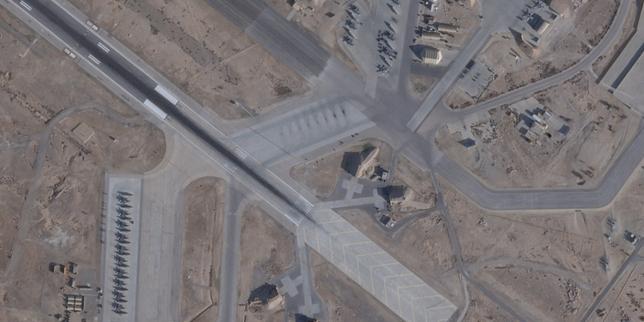
On July 15 and 16, 2026, the Jordanian military intercepted eight missiles and three missiles on consecutive nights. Meanwhile, the Islamic Revolutionary Guard Corps (IRGC) openly declared that they were targeting American assets deep inside Jordanian territory. They claim to have struck fighter jet shelters and MQ-9 drone hangars at the Muwaffaq Salti Air Base in Azraq.
Why Jordan?
To understand why a relatively small, resource-strapped kingdom is suddenly the literal shield of the region, we have to look past the official press releases. This isn't just about US bases. It’s a deliberate, calculated campaign by Iran to dismantle the security architecture of the Levant.
The Geography of the Shield
Look at a map. Jordan sits directly between Iran’s Western-aligned proxies in Iraq and Syria, and Israel. It’s a geographic buffer. Any drone, cruise missile, or low-flying ballistic missile launched from western Iran or southern Iraq has to cross Jordanian airspace to reach Israeli cities like Tel Aviv or Jerusalem.
During the opening waves of the 2026 conflict, Jordanian F-16s and ground-based air defenses acted as a massive first line of defense. They shot down dozens of Iranian payloads before they could even trigger air raid sirens in Israel.
For Tehran, this is an infuriating roadblock.
Military analysts call what Iran is doing right now a shaping operation. That’s military speak for prepping the battlefield. By repeatedly targeting Jordan's radar installations, early-warning systems, and airbases, Iran is trying to exhaust Amman’s missile interceptors and degrade its tracking capabilities.
If they can blind Jordan, the path to Israel is wide open.
"The Iranians expect that they can significantly degrade Jordanian and American capability to fly low-flying, slow-moving drones over Jordan to Israel in massive numbers."
— Dr. Lynette Nusbacher, former military intelligence officer.
The Battle for the Bases
Iran isn't just aiming for empty desert. They're targeting specific, highly strategic installations that host American, French, and British forces.
The primary target is Muwaffaq Salti Air Base in Azraq. Located just over 100 kilometers from the Israeli border, it’s one of the most active hubs for US Air Force operations in the Middle East. It houses fighter squadrons, intelligence assets, and the drones that monitor the borders of Syria and Iraq.
On July 15, 2026, the IRGC claimed its Aerospace Force hit the base, specifically aiming for shelters housing F-15s, F-16s, and F-35s. While Jordan’s military successfully intercepted the missiles, the sheer frequency of these attacks shows that Iran is trying to force a retreat.
They want the US gone.
Why the US Presence in Jordan Matters
- Logistics Hub: Jordan acts as the central hub for the US Central Command (CENTCOM) in the Levant.
- Air Superiority: Bases like Azraq allow Western coalition forces to run combat air patrols that keep Syrian and Iraqi airspace clear of hostile drones.
- Intelligence Sharing: Jordan's GID (General Intelligence Directorate) is arguably the most capable intelligence agency in the Arab world, acting as a crucial partner for Western agencies.
By launching missiles at these sites, Tehran is sending a clear message: hosting Western forces carries a devastating price tag.
Weaponizing Jordan’s Domestic Vulnerabilities
Military hardware is only half the story. Iran’s strategy in Jordan relies heavily on exploiting the country’s internal social and economic fractures.
Following the mid-July strikes, the IRGC released a statement that bypassed the Jordanian government entirely. They called directly on the Jordanian public to "oppose the presence of US forces" and demand their immediate removal.
It’s a classic proxy-war tactic. Jordan has a massive Palestinian-origin population, deep economic anxiety, and high youth unemployment. By framing the Jordanian monarchy as a "shield for Israel" and an "American puppet," Iran hopes to spark civil unrest that could destabilize the Hashemite Kingdom from within.
Amman is fully aware of this threat. The government has arrested several operators linked to Iranian-backed cells attempting to smuggle weapons, explosives, and Captagon (the highly addictive amphetamine) across the Syrian border.
Iran isn't just trying to defeat Jordan militarily. They are trying to rot it from the inside out.
What Happens Next?
Jordan cannot fight this war of attrition alone. To survive the current escalation without losing control of its airspace or domestic stability, Amman and its allies must take immediate, concrete steps.
1. Fast-Track Air Defense Replenishment
Jordan's stockpiles of PAC-3 Patriot missiles and other advanced interceptors are being drained at an unsustainable rate. The US must bypass standard foreign military sales bureaucracy to immediately replenish Jordan’s air defense batteries.
2. Strengthen the Iraq Border Coalition
The majority of the drones and short-range missiles targeting Jordan are launched by Iranian-aligned militias in western Iraq. Jordan must work with the Iraqi government—and pressure Baghdad—to establish a joint security buffer zone that actively targets these launch sites before they can fire.
3. Combat the Info-War
The Jordanian government needs to be aggressively transparent with its citizens. By clearly showing that Iranian missiles are falling on Jordanian villages and endangering local lives, they can counter the Tehran-driven narrative that these strikes are purely "anti-imperialist."
Jordan's position is incredibly fragile. It is a pro-Western monarchy surrounded by war, attempting to maintain neutrality while being forced into the front lines. If Jordan’s defenses fail, the entire security framework of the Middle East goes down with them.