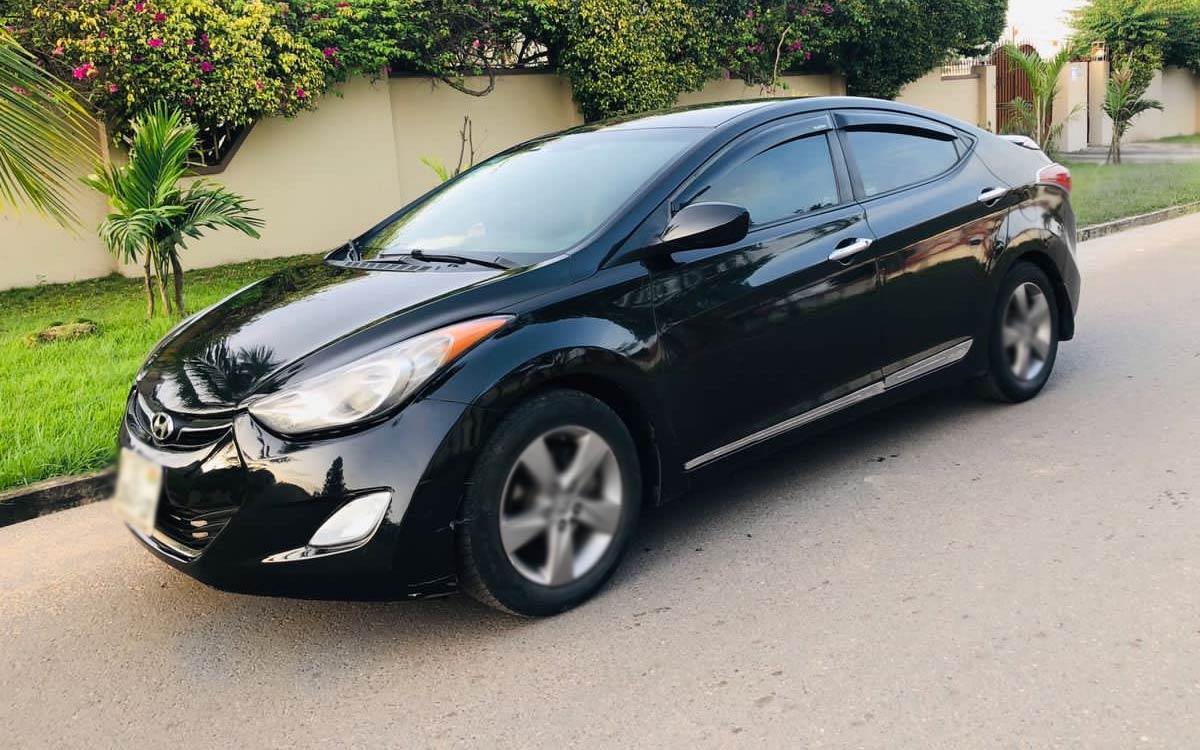
You’re sitting in your driveway or a quiet parking lot and think you’ve got a moment of total privacy. Your vehicle feels like an extension of your home, a steel bubble where the world can't reach you. But the legal reality of Jerking Off In My Car is a lot more complicated than most people realize. Even if your windows are tinted or you’re tucked away in a corner of a lot, the law often views your vehicle as a public space rather than a private sanctuary. If someone walks by and catches a glimpse, you aren’t just looking at an awkward moment. You're looking at potential criminal charges that can stick to your record for the rest of your life. It’s a high-stakes gamble for a few minutes of convenience.
Understanding The Legal Definition Of Public Exposure
The biggest mistake I see people make is assuming that "private property" or "enclosed space" gives them a free pass. That’s not how the statutes work in most jurisdictions. Most indecent exposure laws don't care if you're inside a vehicle; they care if you're in a place where a member of the public could reasonably expect to see you.
Public View Versus Private Intent
State laws vary, but the common thread is the concept of "public view." If you're parked on a street, in a grocery store lot, or even in a park, that's public space. Even if you're on your own property but visible from the sidewalk, you're in the danger zone. I’ve read cases where individuals were charged because a neighbor saw them through a windshield while walking their dog. The intent doesn't have to be to harass someone. The mere act of being visible while engaging in lewd behavior is often enough for a "General Intent" crime. This means the prosecutor doesn't have to prove you wanted to be seen. They only have to prove you were doing it and that a reasonable person could have seen you.
The Risk Of Sex Offender Registration
This is where things get terrifyingly real. In some states, a conviction for indecent exposure or lewd conduct carries a requirement to register as a sex offender. Imagine losing your job, your housing options, and your reputation because of a lapse in judgment in a Nissan Altima. It’s not just a fine. According to the U.S. Department of Justice, sex offender registries are public and permanent in many instances. The collateral damage is massive. You aren't just paying a ticket. You're changing the trajectory of your entire life.
Why Jerking Off In My Car Is A Bad Security Strategy
Modern cars are less private than we think. We live in an era of constant surveillance. Dashcams are everywhere. Doorbell cameras cover almost every inch of suburban streets. Security guards in commercial lots monitor high-definition feeds that can zoom in on your license plate and your face with startling clarity.
The Myth Of Tinted Windows
I hear people say all the time that their 5% tint makes them invisible. It doesn’t. At night, if there’s a light source inside the car—like your phone screen—it acts as a backlit stage. Anyone standing near the glass can see exactly what’s happening. Also, police officers are trained to look for "suspicious" vehicles. A car idling in a dark corner of a park with fogged-up windows is a magnet for a "wellness check." When that flashlight hits your window, there's nowhere to hide.
Thermal Imaging And High-Tech Patrols
Police departments in many urban areas now use thermal imaging or advanced night vision. They aren't just looking for burglars. They're looking for any unusual activity. If you're in a public park after hours, you’re already breaking a city ordinance. That gives them probable cause to approach. Once they see what you're doing, the situation escalates from a simple loitering warning to a misdemeanor or felony arrest.
Common Psychological Triggers For Seeking Privacy In Vehicles
Why do people do this? Usually, it's not about a thrill. It's about a lack of space. Maybe you live with roommates, or your home life is crowded and stressful. The car becomes the only place where you feel like you have control. But that feeling of control is an illusion.
The Stress Of Modern Living Spaces
I've talked to people who live in multi-generational homes where they literally have zero minutes of solitude. For them, the commute is the only "me time" they get. It’s easy to slip into the habit of using that time for self-gratification. But the psychological relief isn't worth the legal anxiety. If you're constantly looking over your shoulder or checking the rearview mirror, you aren't actually relaxing. You're just spiking your cortisol levels.
Habitual Risks And Escalation
Habits are hard to break. What starts as a one-time thing in a remote area can easily turn into a routine. You get bolder. You start doing it in busier areas. You think you’re a pro at not getting caught. That overconfidence is usually what leads to the first police interaction. I've seen it happen dozens of times. People think they've found the perfect "blind spot" in a parking garage, forgetting that cameras are tucked into every corner.
Navigating The Social Consequences
Beyond the law, there's the social fallout. We live in the age of the smartphone. If someone sees you, they might not call the police. They might pull out their phone and record you.
The Viral Nightmare
Within ten minutes, a video of you could be on a local "community watch" Facebook group or a neighborhood app. Once that video is out there, it never goes away. Your face, your car, and your license plate become public knowledge. This kind of "digital shaming" is often more destructive than a legal fine. It can lead to being banned from local businesses or even getting fired from your job if a "concerned citizen" tracks down your employer.
Impact On Relationships
If you have a partner, finding out you've been doing this can cause a massive rift. It’s often seen as a breach of trust or a sign of a deeper problem. It creates a dynamic of secrecy that erodes the foundation of a healthy relationship. It’s hard to explain to a spouse why you were detained in a Target parking lot at 10:00 PM.
Technical Realities Of Vehicle Privacy
Let's talk about the physical space. Cars are designed to be looked out of, which means they are also designed to be looked into. The pillars, the glass, and the angles are all optimized for visibility.
Line Of Sight Analysis
If you're in the driver's seat, your silhouette is perfectly framed by the side window and the windshield. Even if you slouch, your arm movements are obvious from the outside. People often underestimate how much the car body rocks or moves when someone is active inside. From twenty feet away, a passerby can tell something is happening just by the rhythmic motion of the vehicle’s suspension.
Sound Leakage
Cars aren't soundproof. Unless you're in a high-end luxury vehicle with double-pane acoustic glass, sound travels quite well. If you have the radio on to mask noise, it actually draws more attention to the vehicle. A lone car with a thumping bass or a loud podcast in a quiet area is the first thing a security guard investigates.
Comparing Risks Across Different Environments
Not all parking spots are created equal, though all carry risk.
Residential Streets vs. Commercial Lots
A residential street is actually higher risk because people are protective of their neighborhoods. They notice "strange" cars immediately. They know who belongs there and who doesn't. A commercial lot seems safer because of the volume of cars, but the private security presence is much higher. Big box retailers like Walmart often have mobile security units that patrol 24/7. They aren't looking for you specifically, but they will find you.
Public Parks And Rest Areas
These are high-enforcement zones. Law enforcement knows these are common spots for various types of "public" activity. They patrol these areas specifically to discourage it. If you're caught in a state or federal park, you could face federal charges depending on the jurisdiction. That’s a whole different level of legal headache.
Better Alternatives For Privacy
If you’re struggling to find a place to be alone, it’s time to get creative with your home life rather than risking your freedom in a parking lot.
Improving Home Privacy
Invest in a better lock for your bedroom door. Talk to your housemates about boundaries and "do not disturb" times. Use white noise machines to create a sense of auditory privacy. It’s much better to have an awkward conversation with a roommate about needing an hour of alone time than to have a conversation with a defense attorney.
Renting Private Space
If home is truly impossible, look into low-cost options. A cheap motel room or even a private study room at a university (if allowed) offers more legal protection than a car. Some people use gym locker rooms, but those carry their own set of legal risks and "expectation of privacy" issues. The goal is to get behind a door that has a legal expectation of privacy.
Steps To Take If You Are Confronted
If the worst happens and a knock comes on the window, you need to handle it perfectly.
- Stop immediately. Don't try to hide what's happening or make sudden movements.
- Get dressed as quickly as possible. Do not open the door or roll down the window until you are decent.
- Be polite but quiet. You don't have to confess. You can provide your ID and remain silent.
- Don't make excuses. Saying "I thought no one was looking" is an admission of guilt.
- Consult an attorney. If you're cited or arrested, don't try to "explain it away" to the judge yourself.
Breaking The Habit
If you find yourself repeatedly drawn to the idea of Jerking Off In My Car, it might be worth looking at the "why." Is it an adrenaline thing? Is it an escape from a bad living situation? Understanding the root cause can help you find a safer outlet.
Digital Resources For Support
There are plenty of forums and communities where people discuss privacy and healthy boundaries. Organizations like Psychology Today have directories of therapists who specialize in behavioral habits and privacy issues. Talking to a professional can help you navigate the compulsion and find ways to meet your needs without risking a criminal record.
Setting New Boundaries
Start by making your car a "no-go" zone for that activity. Use your car only for driving, listening to music, or eating. By separating the location from the habit, you can break the psychological link. It takes about 21 to 66 days to form or break a habit. Stick to it.
Practical Steps For Moving Forward
You need a plan to protect your future. The "it won't happen to me" mindset is what fills courtrooms.
- Assess your local laws. Look up the specific indecent exposure and lewd conduct statutes in your city and state. Knowledge is power.
- Check your car's visibility. Sit in your car at night and have a friend walk around it. You'll be shocked at how much is visible, even with the lights off.
- Identify your triggers. When do you feel the urge to do this? If it's after a stressful workday, find a different way to decompress. Go for a run, hit the gym, or go to a movie.
- Prioritize your record. No moment of release is worth being barred from coaching your kid's soccer team or being unable to get a lease on an apartment.
- Find a true private space. Whether it's rearranging your furniture or changing your schedule, find a place with four walls and a locked door that doesn't have wheels.
The risks are simply too high. Between the omnipresence of cameras, the strictness of exposure laws, and the potential for life-altering registration requirements, the vehicle is the worst possible place for intimacy. Keep your private life truly private—inside a building, behind a locked door, and away from the public eye.