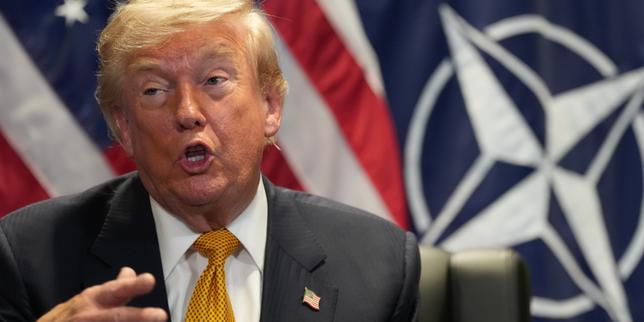
The fragile peace lasted less than a month. If you thought the June 17 agreement between Washington and Tehran would actually hold, you haven't been paying attention to how Donald Trump handles international diplomacy. Speaking from the NATO summit in Ankara, Turkey, the American president just blew up the deal. He called Iranian leaders scum and declared the truce completely dead.
This isn't just another round of aggressive political rhetoric. It's a massive escalation that puts the world right back on the brink of a full-scale energy crisis and regional war. Over the last twenty-four hours, the temporary quiet shattered. Bombs fell, missiles flew, and shipping lanes closed down. Here is what is actually going on behind the headlines, why the agreement failed so quickly, and what this means for global markets.
The Illusion of the June 17 Truce
Let's look at how we got here. The conflict officially kicked off on February 28, 2026, when a combined US and Israeli offensive targeted the Islamic Republic. After months of devastating economic pain and military clashes, both sides signed a memorandum of understanding in June. It was supposed to buy sixty days of quiet. The primary goal was simple. Open up the Strait of Hormuz, let the oil flow, and get negotiators in a room to hammer out a permanent solution.
Trump's team sent Steve Witkoff and Jared Kushner to lead indirect talks in Qatar. But the foundation was deeply flawed from day one. Washington hawks openly complained that the deal gave Iran too much breathing room without extracting real concessions on its nuclear program. Tehran believed the US was trying to strong-arm them into submission while keeping core economic sanctions alive. The negotiations went nowhere. By last week, the talks in Doha completely stalled out.
The main problem was a massive disconnect in expectations. Trump wanted a complete surrender on Iran's nuclear ambitions. Iran wanted immediate, permanent relief from the economic blockade. When neither side budged, the battlefield took over again.
Eighty Strikes in One Night
The immediate trigger for the collapse happened in the water. The Strait of Hormuz handles about twenty percent of the world's petroleum. It's the ultimate geopolitical choke point. Earlier this week, the UK Maritime Trade Operations reported that three commercial tankers were hit while passing through the strait. Washington immediately blamed Iranian speedboats and coastal missile batteries.
The American response was swift and heavy. The Pentagon ordered a massive wave of retaliatory actions, hitting more than eighty targets across Iran. US jets and warships pounded naval sites, radar installations, and fast-attack craft positions in Sirik, Qeshm, and Bandar Abbas. NATO Secretary General Mark Rutte defended the operation. He stated that the overnight actions were absolutely necessary to protect international shipping lines.
Iran didn't back down. The Islamic Revolutionary Guard Corps fired back hours later. They launched drone and missile salvos targeting American military facilities across the Persian Gulf, specifically hitting areas in Bahrain and Kuwait. Air raid sirens woke up residents in both Gulf states. While Washington claims there was no significant structural damage to its bases, the message from Tehran was clear. They are willing to trade blow for blow.
Trump Walks Away in Ankara
Standing next to Mark Rutte in Turkey, Trump pulled no punches. He explicitly stated that dealing with Tehran is just a waste of time. His exact words left no room for strategic ambiguity. He called the Iranian leadership liars and vicious, violent people.
The president made it clear that while his negotiators can keep talking if they really want to, he is personally done with the process. He expects Iranian officials to come to him directly if they want to stop the bleeding. It's a classic high-stakes pressure tactic, but the risks this time are incredibly high.
The timing adds another layer of tension. This military flare-up coincided with the final days of the funeral ceremonies for Iran's former Supreme Leader, Ayatollah Ali Khamenei, who died at the very start of the war in February. Millions of mourners filled the streets of Tehran this week, demanding direct retaliation against both Washington and Israel. The internal political pressure on Iranian officials to strike back hard is immense. They can't look weak right now.
The Real Economic Fallout
The financial markets reacted instantly to the news. Investors hate uncertainty, and a shooting war in the world's primary oil artery is the ultimate nightmare scenario.
Brent crude futures surged over five percent, jumping past seventy-eight dollars a barrel in London trading. West Texas Intermediate followed a similar path, climbing above seventy-four dollars. European stock markets dropped by more than two percent as traders rushed toward safer assets like gold and the US dollar.
The economic pain will likely get worse before it gets better. Just before the strikes began, Washington officially revoked the temporary waiver that allowed Iran to sell its crude openly on the international market. That waiver was the only thing keeping the Iranian economy afloat during the truce. With the waiver gone and the strait turning into a combat zone again, global energy supplies are tightening up fast.
What Happens Next
The sixty-day negotiation window is gone. We are back to a hot war, and the diplomatic off-ramps are rapidly disappearing. If you are trying to navigate the fallout of this situation, you need to watch three specific indicators over the next few days.
First, keep a close eye on insurance premiums for commercial shipping in the Gulf. If maritime insurers refuse to cover tankers moving through Hormuz, oil prices will climb much higher than seventy-eight dollars. Look for alternative shipping routes and energy suppliers to gain a massive premium.
Second, watch the rhetoric out of Israel. The initial February offensive was a joint effort. If Israeli forces launch a secondary campaign while US forces are striking coastal targets, the conflict could easily spill over into a broader regional war involving proxy networks in Lebanon and Yemen.
Third, monitor the internal stability in Iran. The country has been under a strict military footing since late February. With the oil waiver revoked, the domestic economic strain will hit regular citizens immediately. How the regime balances public anger with its military operations will dictate how long they can sustain this fight.
The illusion of an easy diplomatic fix is officially shattered. Trump's decision to walk away from the table means the military commanders are running the show again.
This video provides essential historical context on how previous escalations and sudden shifts in presidential decision-making have directly shaped the current conflict with Iran.