You probably think California's highest-paid public employee in 2025 was a university football coach, a top-tier surgeon at a UC medical center, or maybe the head of a massive state pension fund.
You're wrong.
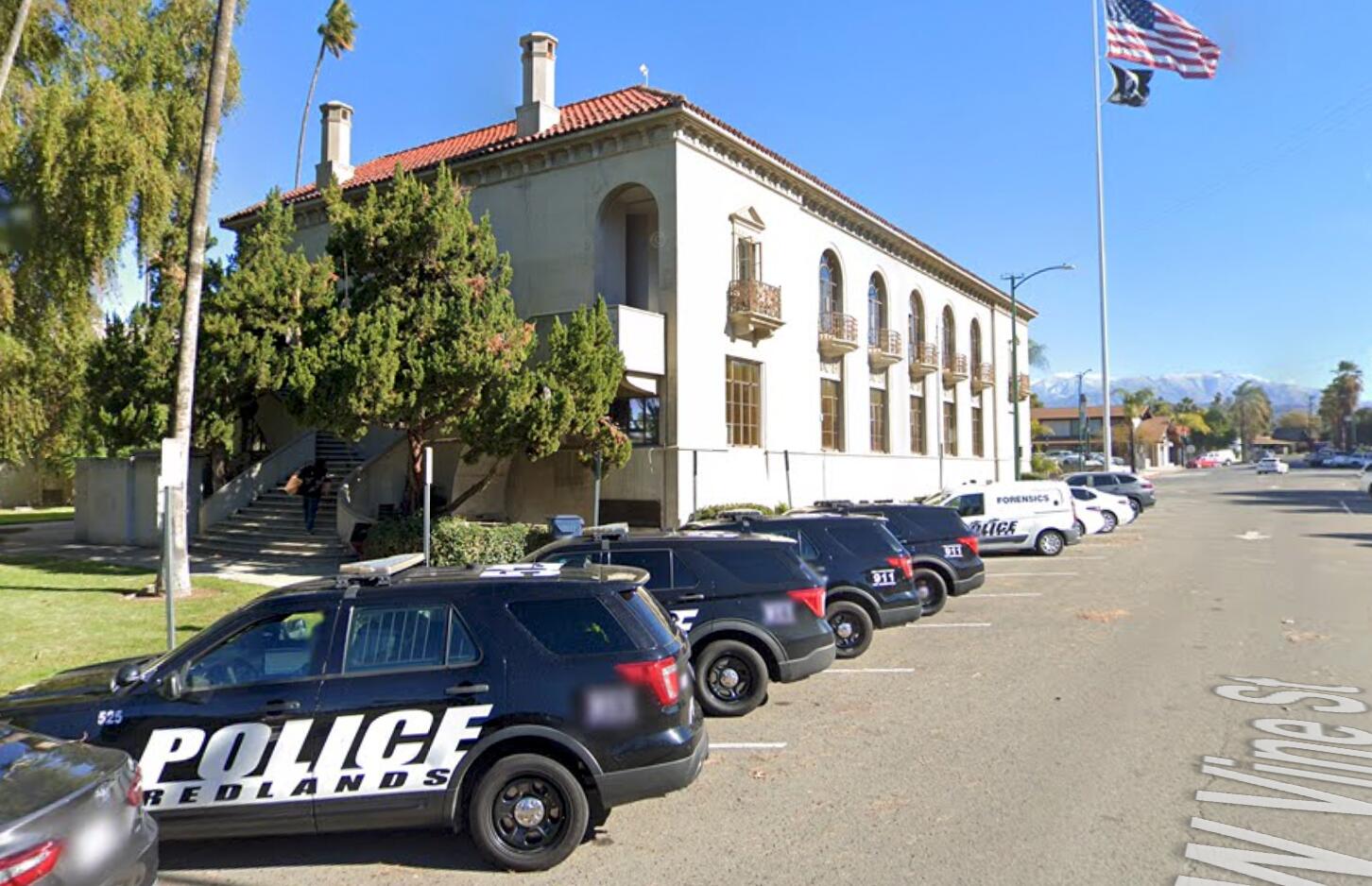
State compensation data reveals that a former deputy police chief from Redlands, a mid-sized city in the Inland Empire, topped the entire public payroll. Travis Martinez took home a staggering $1.26 million in total compensation. That's more than the combined annual salaries of the mayors of Los Angeles, San Francisco, and San Diego.
When a single administrator in a city of roughly 73,000 residents out-earns every major political figure and executive in the state, it raises immediate questions. How does a regional law enforcement official secure a seven-figure payout on the taxpayer dime?
The answer lies in a volatile mix of administrative warfare, whistleblower allegations, and a massive legal settlement designed to make a PR nightmare disappear.
The Millions Behind the Redlands Police Settlement
The raw numbers from the California State Controller's Office look like a typo. Public payroll listings show plenty of six-figure salaries for veteran law enforcement officers, especially when you factor in overtime and accrued leave. But breaking the million-dollar barrier requires something extraordinary.
Martinez didn't earn $1.26 million by working double shifts or stacking overtime hours. The bulk of this massive payout stems from a highly contentious legal battle with the City of Redlands.
In early 2025, the Redlands City Council voted 3-2 in a closed-door session to approve an $872,000 settlement agreement with Martinez. This cash payout resolved an explosive government claim he filed against his own department and city leadership. When you combine that settlement with his regular back pay, accrued vacation cash-outs, and standard benefits for the year, his total compensation skyrocketed to the top of the state's database.
Taxpayers frequently get stuck with the bill when cities settle lawsuits, but the sheer scale of this payout relative to the size of the Redlands municipality is what makes it unprecedented.
Train Crashes and Suppressed Evidence
To understand why Redlands paid such a premium to sever ties with its deputy chief, look at the underlying allegations. This wasn't a standard workplace grievance over promotions or scheduling. Martinez leveled serious accusations of retaliation and institutional misconduct.
The core of his claim involved a tragic 2023 Metrolink train collision at the Alabama Street crossing in Redlands. The crash killed a local woman, Heather Lynn Woolard, and her 11-year-old daughter, Presley. Initially, police statements indicated that the vehicle crossed the tracks for unknown reasons after the crossing arms descended.
Martinez alleged that city officials actively sought to suppress evidence showing dangerous roadway design and faulty traffic signal synchronization at that specific intersection. After reviewing surveillance footage from a nearby business, Martinez raised urgent public safety concerns. He claimed he was explicitly discouraged from discussing these safety flaws with train consultants.
According to his legal claim, it was heavily implied that the city wanted to obscure these dangerous conditions to protect itself from a high-profile wrongful death lawsuit. When Martinez refused to stay quiet, he faced severe internal retaliation, ultimately forcing the legal showdown that triggered his massive 2025 payout.
How Public Payroll Databases Mask Real Costs
The standard narrative surrounding public salary transparency usually focuses on runaway base pay or pension stacking. Web portals tracking government compensation provide necessary transparency, but they often lack context. They show the total cash distributed in a calendar year without clarifying why the money moved.
When legal payouts are structured as lump-sum compensation or integrated into payroll agreements to resolve employment disputes, they distort the data. For an outsider scanning the state database, it looks like a deputy chief position carries an inherently absurd salary. In reality, it reflects a desperate legal maneuver by local governments to mitigate risk.
For comparison, consider the base pay for a Redlands deputy chief, which typically hovers under $200,000 annually depending on the specific fiscal year budget steps. The remaining million dollars represents the true cost of administrative conflict.
The Long-Term Cost for Local Taxpayers
Municipalities rarely have surplus millions sitting in their general funds to cover unexpected executive settlements. When a city the size of Redlands cuts a check this large, the financial ripples affect public services, infrastructure maintenance, and municipal staffing.
The immediate next steps for watchdog groups and residents involve tracking how these settlements impact local budgets over the coming fiscal cycles. While the state controller's data offers a retrospective look at where the money went, the real work lies in demanding stricter oversight over how internal whistleblower complaints are managed before they turn into million-dollar liabilities.