You rarely hear about what happens when the cameras leave the world's worst conflict zones. Media headlines flash for a second and then move on. But on the ground in places like North Kivu, the reality grinds on every single day.
Right now, the Democratic Republic of the Congo (DRC) is facing some of its worst instability in years. Armed groups are flaring up, civilians are caught in the crossfire, and the United Nations stabilization mission, known as MONUSCO, is trying to manage a highly complicated drawdown. Amid this chaos, a massive contingent of Indian soldiers just received a major international honor.
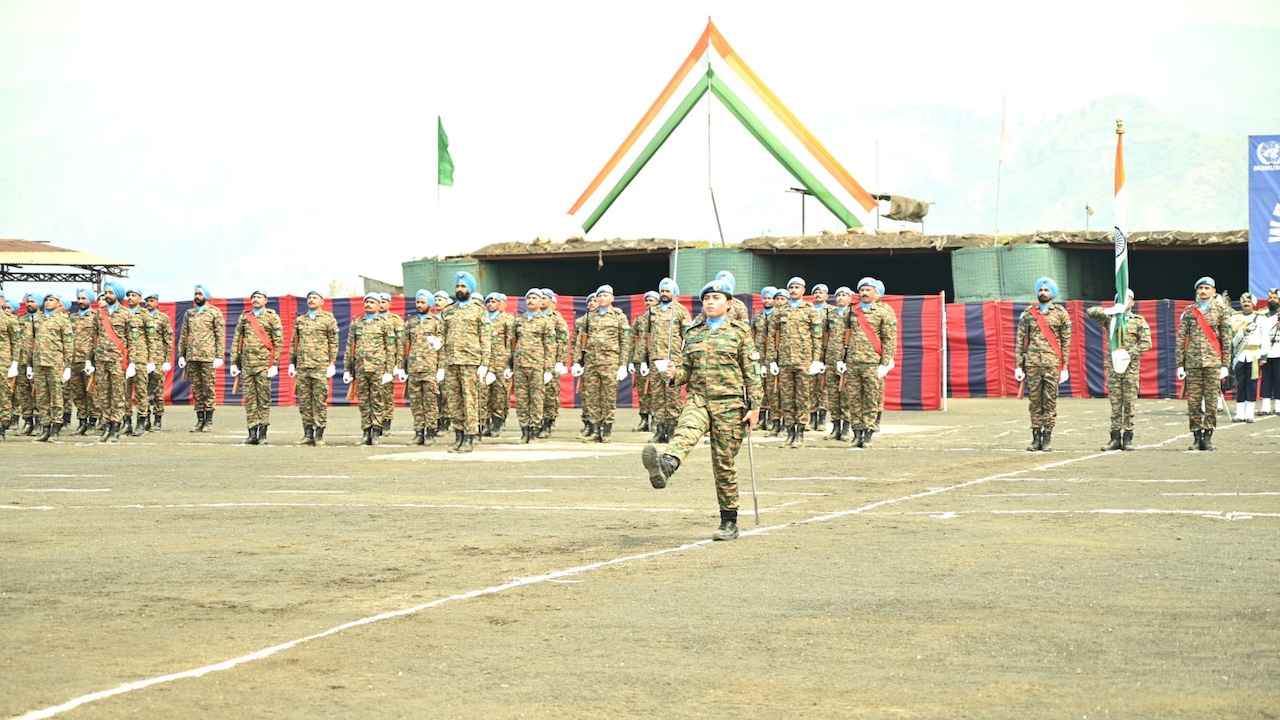
On July 3, 2026, the United Nations awarded UN medals to 651 Indian Army peacekeepers. The ceremony took place at the Permanent Operating Base in Sake, right in the heart of the volatile North Kivu province. It's an area where safety is a luxury, and peace is something you fight for through sheer grit and presence.
If you think peacekeeping is just about standing guard at a gate, you're missing the whole picture.
The Reality Behind the Medals at Sake Base
The medal parade wasn't just a routine military formation. It was a recognition of survival, operational excellence, and heavy lifting in a zone that has chewed up and spit out global diplomatic efforts for over two decades. Senior UN officials, military commanders, and force headquarters representatives showed up because the Indian rapid deployment teams are essentially the backbone of security in this sector.
What do these soldiers actually do? They carry out area domination patrols to keep rebel groups from seizing vital roads. They secure humanitarian convoys so food and medicine reach displaced populations. They offer medical assistance in regions where local hospitals have been destroyed. They do the exhausting work that keeps local communities from collapsing entirely.
The UN itself noted that the Indian contingent has consistently shown immense resilience in protecting civilians under imminent threat. In a mission environment as fluid and volatile as eastern DRC, that dedication saves lives daily.
The Steep Price of Global Diplomacy
Let's look at the numbers because they reveal a truth most people ignore. India is one of the largest troop contributors to UN peacekeeping operations worldwide. Since the 1950s, the nation has deployed more than 200,000 personnel across roughly 50 different global missions.
Currently, well over 4,200 Indian military and police personnel serve under the blue flag across nine different missions, including South Sudan, Lebanon, and Abyei. But this commitment comes with a brutal cost.
Nearly 180 Indian peacekeepers have lost their lives in the line of duty. That's the highest death toll among all troop-contributing nations in UN history.
Just a few weeks ago, in May 2026, the UN posthumously awarded the Dag Hammarskjöld Medal—the highest honor for fallen peacekeepers—to Lance Havildar Harbhajan Singh. He died while serving right here with MONUSCO in the DRC. Another Indian soldier, Naib Subedar Sujit Kumar Pradhan, was honored posthumously for his sacrifice with the mission in South Sudan (UNMISS).
This isn't textbook diplomacy. It's real blood and real sacrifice in faraway places that rarely cross the minds of everyday citizens.
Moving Past the Traditional Soldier Framework
What makes India's modern approach to peacekeeping stand out isn't just tactical combat capability. It's how they engage with local populations.
Take Major Radhika Sen, who recently served as an engagement platoon commander in eastern DRC. She didn't just lead patrols; she created community alert networks in North Kivu. These networks gave local women, youth, and village leaders a direct line to raise urgent security concerns with MONUSCO. She started English classes for kids and vocational training for adults who lost everything to violence.
That's the blueprint that works. When you look at the 565 Indian peacekeepers honored recently in South Sudan, a big part of their recognition stemmed from training local women in self-defense and actively combating gender-based violence.
When troops blend hard military readiness with genuine community trust, they create a temporary buffer of safety that political treaties fail to deliver on their own.
What Happens Next
The UN medal ceremony at Sake is a proud moment, but the road ahead is incredibly messy. The DRC government has been pushing for a progressive withdrawal of MONUSCO forces. Yet, with rebel factions flaring up constantly, pulling out too fast risks creating a massive security vacuum.
If you want to understand where global security is heading, look at how these field transitions are managed over the coming months. You can track official deployment updates and mission status changes directly through the UN Peacekeeping Portal. Pay close attention to how regional partnerships evolve as large-scale stabilization missions face increasing pressure to wind down.


