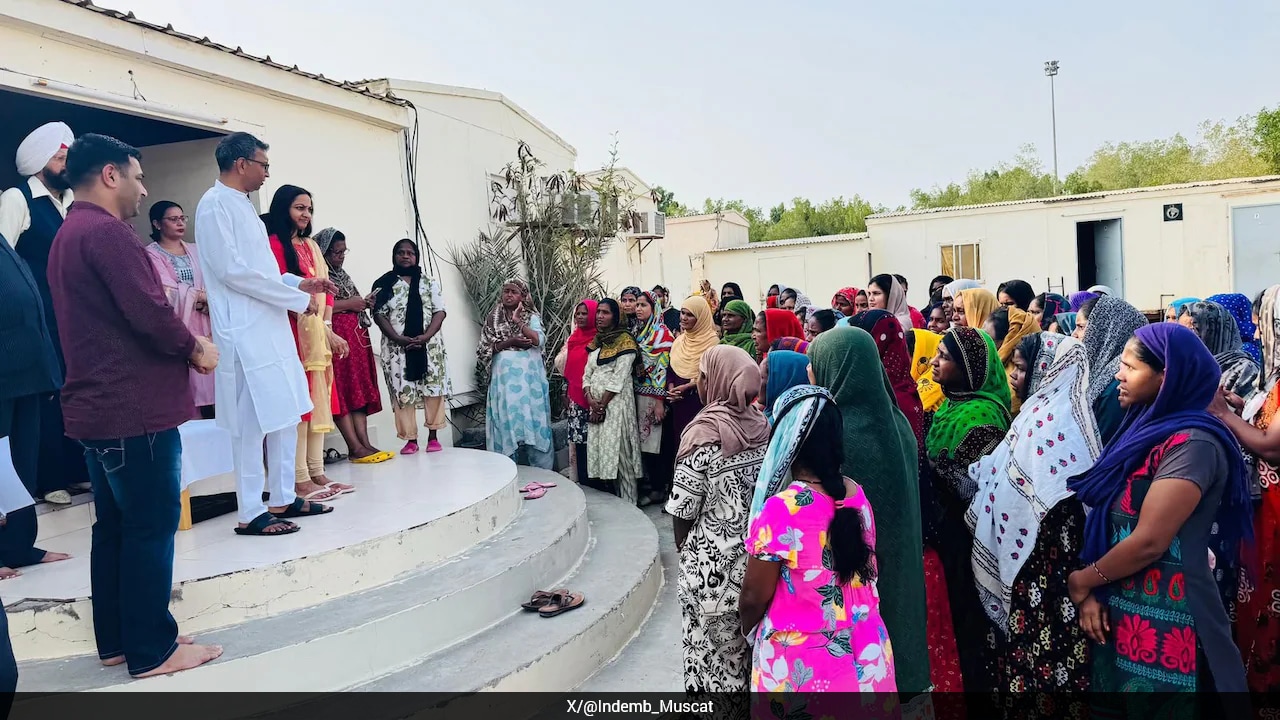
India’s Ambassador to Oman, Prashant Pise, recently visited an embassy-run shelter in Muscat to meet female domestic workers in distress. Photos from the interaction showed women who had fled abusive employers or been abandoned altogether. The ambassador assured them that the mission’s Community Affairs team would act quickly to resolve their complaints.
It sounds like a reassuring diplomatic success story. Yet behind the official press releases lies a systemic breakdown that leaves thousands of vulnerable migrant women exposed to exploitation across the Gulf.
The embassy's meeting wasn't an isolated event. It came right after the harrowing case of Shabnam Begum, a woman from Hyderabad who was lured to Muscat with the promise of a well-paying domestic job. Instead of finding financial stability, she ended up working 12 to 15 hours a day across multiple households without receiving her wages. Her employer assaulted her, withheld food, and took away her mobile phone to isolate her from her family. She eventually escaped and sought refuge at the Indian Embassy.
Shabnam’s story isn't rare. It happens every single day.
The Reality Behind Gulf Domestic Work
Many women travel to Oman expecting standard employment. Unscrupulous recruitment agents sell them a dream of decent earnings that can lift their families out of poverty back home.
When they arrive, the reality hits hard.
Many workers find their passports confiscated upon landing. They are forced into long hours without rest, denied basic medical care, and subjected to verbal or physical abuse. Because domestic work happens inside private homes, it remains hidden from public view and official oversight. Labor inspectors cannot simply walk into a private residence to check working conditions. That leaves workers almost completely at the mercy of their employers.
When things go wrong, running away is often the only option. But leaving an employer without permission can make a worker illegal under local regulations. That creates a terrifying trap. Fleeing abuse turns the victim into an undocumented worker, making them fearful of police intervention or deportation.
Why Diplomatic Treaties Are Not Enough
India has bilateral manpower and labor cooperation agreements with all six Gulf Cooperation Council countries. On paper, these agreements build a framework for regular consultations and worker welfare.
There's a massive legal hole in these agreements.
Most bilateral labor treaties focus on formal sector workers in construction, retail, and service industries. They rarely contain specific, legally binding protections tailored to domestic workers. Reports from policy groups like the Indian Council of World Affairs consistently highlight this gap. Because domestic workers aren't explicitly integrated into standard labor laws in the same way office or factory workers are, enforcing their rights is extremely difficult.
Ambassadors and diplomatic teams do what they can within their mandates. Embassy shelters provide safe shelter, meals, and emergency legal support. But embassy staff cannot rewrite local labor codes overnight. They operate in a complex diplomatic environment where local legal procedures take time, especially when employers refuse to hand over passports or waive financial claims against fleeing workers.
What Happens When a Worker Enters an Embassy Shelter
When a distressed worker reaches the Indian Embassy in Muscat, a specific procedure begins.
First, the mission provides immediate shelter, food, and basic necessities. The Community Affairs team then documents the worker's grievances, including unpaid wages, physical abuse, or contractual violations.
Resolving these complaints requires dealing with local authorities, recruitment agencies, and employers. The process includes several vital steps:
- Embassy officials contact the employer or local sponsor to demand the return of the worker's passport and settlement of unpaid wages.
- If the employer refuses to cooperate or claims the worker left illegally, the embassy coordinates with local labor officials and police.
- The embassy issues emergency travel documents if the employer has hidden or destroyed the original passport.
- Staff arrange exit visas and purchase flight tickets for workers who lack funds to return home.
This process sounds straightforward, but it can drag on for weeks or months. During that time, workers remain stuck in shelters, anxious about their families and futures.
How Unscrupulous Agents Exploit the System
Sub-agents operating in Indian villages and small towns drive much of this crisis. They bypass legal recruitment channels registered on the government’s eMigrate portal.
These agents make promises they cannot keep. They tell job seekers they will work for a single, kind family for a guaranteed high salary. They issue visitor visas instead of proper work visas, convincing women that their paperwork will be updated once they reach Muscat.
Arriving on a tourist visa strips workers of legal protections from the start. It leaves them vulnerable to human trafficking networks. Once in Oman, workers realize their actual contracts don't match what agents promised back home. By then, they are thousands of miles away from family, deeply in debt from agent fees, and stripped of their documents.
Real Solutions Require Structural Reform
Visiting shelters and offering swift assistance is necessary, but it only treats the symptoms of a deep structural issue. Stopping this cycle requires systemic changes at both ends of the migration corridor.
India needs strict enforcement against illegal recruitment networks. Local law enforcement must track down unregistered agents operating in states like Telangana, Andhra Pradesh, Punjab, and Kerala. Without closing these illegal channels, vulnerable women will keep falling into traps.
Bilateral agreements with Gulf nations must explicitly cover domestic service workers. Treaties should mandate standardized, legally enforceable employment contracts with clear limits on daily working hours, guaranteed weekly rest days, and mandatory wage payouts through tracked electronic bank transfers.
Digital tracking systems should monitor every domestic worker leaving the country, ensuring they arrive at verified employers with valid legal visas.
Actionable Steps for Families and Job Seekers
If you or a family member are considering domestic work in Oman or any Gulf nation, taking pre-departure precautions can prevent disaster:
- Never travel on a tourist visa for employment. Ensure you hold a valid, official work visa issued before departure.
- Verify recruitment agents through the official Indian government eMigrate portal. Avoid sub-agents or local middlemen who demand cash fees without receipts.
- Keep digital copies of your passport, visa, job contract, and agent details stored safely online or with family in India.
- Save official emergency contact numbers before leaving India, including the Indian Embassy in Muscat helpline and local Indian community support groups.
- Set up a daily or weekly communication plan with your family so they can alert authorities immediately if you stop making contact.
Ambassador Prashant Pise’s visit brings brief national attention to a persistent human rights issue. Ensuring safety for migrant domestic workers requires moving beyond temporary shelter relief and fixing the legal loopholes that put these women in danger in the first place.