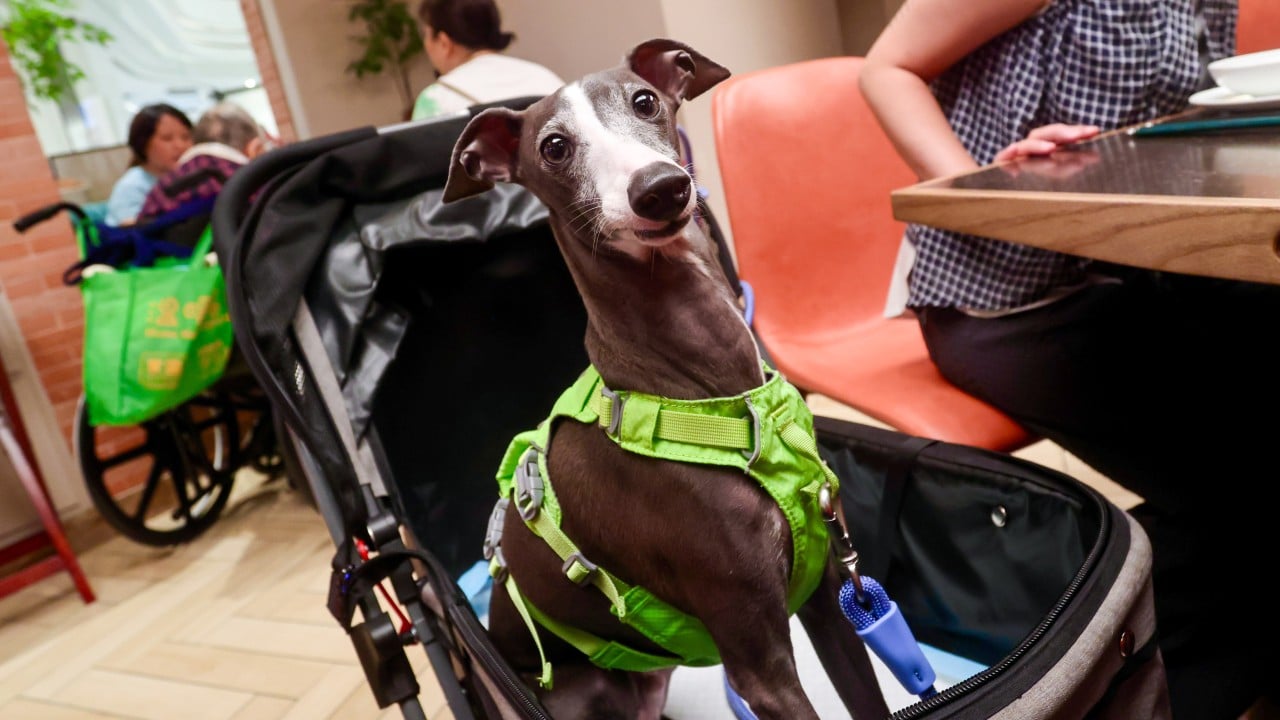
Hong Kong just ended its decades-old ban on dogs inside eateries, but don't expect a smooth ride. On July 9, 2026, the Food and Environmental Hygiene Department rolled out a fresh system allowing approved venues to let canines inside. Over 940 Hong Kong dog friendly restaurants hit the ground running on day one. For a city notoriously cramped and obsessed with hygiene, this is a massive shift in how people eat out.
The excitement among pet owners is palpable, yet the reality on the ground is highly complicated. Turning a tiny, high-traffic Hong Kong diner into a pet-safe space requires much more than just sticking a sticker on the window. It is an operational puzzle that many business owners are scrambling to solve. Discover more on a related subject: this related article.
If you think this change means every cafe will instantly become a haven for your pup, you are mistaken. The new rules come with strict boundaries, intense government oversight, and a deep cultural divide among the dining public.
The Reality Behind the 940 Approved Venues
The headline number sounds impressive. Finding nearly a thousand eateries ready to open their doors to dogs on the very first day suggests a massive industry shift. The truth is a bit more nuanced. Over 2,200 establishments applied for this specific permit, meaning more than half are still waiting in line or failed to meet the initial criteria. Additional reporting by Vogue highlights similar perspectives on this issue.
The Food and Environmental Hygiene Department did not just hand these out through an online form. Officials deployed staff to conduct individual site visits at every single licensed premises before granting approval. Restaurant operators received physical approval letters along with detailed briefings on legal requirements and compliance protocols.
To keep everyone on their toes, the government set up a 90-member task force specifically to ramp up inspections during the initial rollout. While they are promising an education first approach during the first month, they have made it clear that severe non-compliance will lead to swift penalties. For instance, allowing known dangerous dogs inside or letting any animal wander near the food preparation areas will get a venue penalized instantly.
The approved list covers a wide spectrum of dining styles. You will find high-end spots in Central, trendy bakeries like Bakehouse, and popular coffee spots like Elephant Grounds and Blue Bottle Cafe. Even bars along Peel Street and select fast-food outlets have jumped on board. Notably, hot pot and barbecue venues are completely excluded from the scheme due to obvious safety and ventilation risks.
Tiny Spaces and Tough Zoning Choices
The biggest hurdle for Hong Kong dog friendly restaurants is the physical layout of the city's real estate. Most local eateries operate on razor-thin square footage. Tables are packed tight, aisles are narrow, and turning over tables quickly is the only way to pay the astronomical rent.
Consider a typical casual diner in Happy Valley or Hung Hom. Many of these places have fewer than ten tables total. To comply with the spirit of the rules and keep peace among customers, owners are forced to create specific pet zones, usually tucked away in the back or near outdoor terraces.
Fong, the owner of Badgers Cafe in Hung Hom, had to rethink her entire floor plan. Her team sectioned off a dedicated pet area at the back of the cafe, setting up pee pads, wet wipes, and a specialized trash bin outside for dog waste. She even had to bring in an extra staff member just to manage the new seating arrangements and ensure dogs do not cross paths unexpectedly.
When you have two indoor tables allocated as a pet zone, your frontline staff suddenly have to act as full-time air traffic controllers. They must judge the size of the incoming dog, gauge its energy level, and look at the facial expressions of the diners sitting at the next table. If a dog starts barking or a nearby customer looks uncomfortable, staff have to quickly shuffle people around or suggest outdoor seating. It is stressful work for a crew that is already busy carrying hot bowls of noodles.
The Dining Public is Deeply Split
While pet lovers are celebrating the freedom to eat indoors with their companions, a significant portion of the local population is genuinely furious about the change. The cultural pushback is real, and restaurants are caught right in the middle of it.
For every pet owner who enjoys having their dog sit comfortably in the air conditioning rather than sweltering on a summer sidewalk, there is a diner who views the policy as a major step backward for public health. Opponents worry about airborne fur contaminating their food, the unpredictability of dog behavior, and the simple nuisance of barking in a tight space.
A recent public poll conducted in Wan Chai, the district with the highest concentration of approved dog-friendly eateries, highlighted this friction. Many everyday diners stated they would actively avoid restaurants that allow pets inside. They argue that even with clear zoning, dog hair can easily circulate through centralized air conditioning systems.
This leaves restaurateurs playing a delicate balancing act. If they welcome dogs, they might alienate their long-term, traditional human-only clientele. If they reject the scheme, they miss out on a passionate, high-spending demographic of pet parents.
The Commercial Gamble
Why are hundreds of business owners taking this risk? The answer comes down to economics. The local food and beverage sector has faced a tough climate, with many residents opting to spend their weekends traveling across the border to Shenzhen for cheaper dining and entertainment options.
Eatery owners hope that becoming pet-friendly will give locals a compelling reason to stay in Hong Kong over the weekend. The logic is simple. If you love your dog and can finally take them to a nice, air-conditioned restaurant for brunch, you are much more likely to spend your money locally.
Some operators predict this policy could boost their weekend revenue by 30% to 50%. Large restaurant groups are already standardizing their approaches to capitalize on this. They are introducing table cards with paw-print icons, installing leash hooks under tables, stocking pet-specific disinfectants, and training their staff through scenario drills to handle dog fights or noisy animals. Some are even exploring partnerships with nearby pet retailers or looking into selling approved pet snacks.
What to Do Next If You Are a Pet Owner
Navigating this new era of dining requires a lot of common sense. Do not assume you can just walk into any restaurant with your dog. You need to follow a few practical steps to avoid an embarrassing rejection at the door.
Check the official directory first. The Food and Environmental Hygiene Department updates its website regularly with the exact list of approved venues. Because the official government list can be a bit clumsy to navigate, look for the official orange or blue posters displayed clearly at restaurant entrances before you walk in.
Call ahead of time. Even if a restaurant is legally approved, they might only have two or three tables set aside for pets. If those tables are full, you will be turned away. Let the staff know the size and breed of your dog so they can seat you appropriately.
Pack your own supplies. Do not rely entirely on the restaurant to provide everything. Bring a small mat or blanket for your dog to sit on, a portable water bowl, and cleanup bags. Keeping your dog on a short leash and under the table is non-negotiable.
Ensure your dog is ready for the environment. A crowded, noisy Hong Kong restaurant can be incredibly overwhelming for an anxious animal. If your dog is prone to barking at strangers, gets startled by dropped cutlery, or reacts aggressively to other animals, stick to outdoor spaces or leave them at home. The success of this entire city-wide experiment depends heavily on owner responsibility. One highly publicized incident of a dog biting a diner or making a mess near a kitchen could trigger severe pushback and ruin the progress for everyone else.