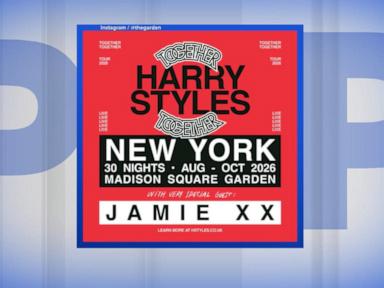
Radio hits usually die within months. They get played until listeners get sick of them, then they vanish into nostalgia playlists. But Harry Styles broke that rule entirely. His smash hit As It Was recently climbed to the position of the fifth most-streamed song in Spotify history. It passed the staggering four point five billion streams mark. Think about that number for a second. It means a massive chunk of the global population has listened to this single track multiple times.
This isn't just about a pop star getting lucky with a catchy hook. It's a masterclass in how modern music consumption actually works. The track dropped on April Fool's Day back in 2022 as the lead single for his Grammy-winning album Harry's House. Instead of fading, it kept growing. It spent fifteen weeks at number one on the Billboard Hot 100. That set a record for the longest-running chart-topper by a British solo artist. Even now, years later, it pulls in well over one and a half million streams every single day.
Why does this specific song refuse to go away. Most industry analysts credit the sheer obsession of his fanbase, the Harries. But fandom alone doesn't keep a track in the global top five for years. The real secret lies in the weird, brilliant way the track was put together.
The Weird Power of Happy Beats and Sad Lyrics
Musically, the track plays a psychological trick on your brain. It feels incredibly bright. The tempo sits at a brisk 174 beats per minute. It leans on a jangly, eighties-inspired synth riff that practically forces you to bob your head. You hear it in grocery stores, gyms, and clubs. It feels like the ultimate feel-good anthem.
But look at what he's actually singing. The lyrics are deeply depressing.
He talks about sitting alone on the floor, drinking pills, and dealing with isolation. He literally addresses himself, saying he's no good alone. In interviews, he admitted the track was written during a dark period of personal transition. He sat in the English countryside trying to process massive personal shifts. It was the very last song written for the album, almost like an afterthought that poured out when his guard was down.
This contrast is pure pop genius. When you're happy, you dance to the beat. When you're sad, you relate to the words. That dual nature gives it infinite replay value. It fits almost any emotional state. Listeners don't get tired of it because it adapts to how they feel at that exact moment.
How the Spotify Algorithm Trapped Us All
We need to talk about how the platform itself keeps records alive. Streaming platforms don't operate like old-school radio. Radio programmers used to decide when a song was dead. Now, algorithms make that choice based on user behavior.
When a song clears a certain threshold of popularity, it gets baked into the platform's DNA. It ends up on millions of algorithmic playlists like Discover Weekly, Daily Mixes, and the ultimate juggernaut, Radio mode. If you finish listening to an indie pop album, the automated system has to pick what plays next. Because this track has historically high completion rates, meaning people don't skip it, the system pushes it automatically.
It becomes a self-fulfilling prophecy. The track gets streams because it's popular, and it stays popular because the platform keeps feeding it to passive listeners. It joined an elite club that includes The Weeknd's Blinding Lights and Ed Sheeran's Shape of You. Those songs don't drop down the charts because they've become part of the infrastructure of digital audio.
Fandom Mobilization and the 2026 Resurgence
Fandoms used to just buy CDs. Now they manage streaming campaigns. The community surrounding this artist treats his chart metrics like a team sport. They coordinate listening parties across time zones. They stream tracks on muted devices while they sleep. It sounds extreme, but it completely alters chart trajectory.
We saw this exact phenomenon play out recently. His new album Kiss All The Time Disco Occasionally dropped early this year. The lead single Aperture went straight to number one globally, pulling in over twelve million streams on its first day. What happened next was fascinating. Instead of cannibalizing his old work, the massive hype around the new record caused his entire back catalog to spike.
Listeners flooded back to Harry's House. They wanted to compare the new electronic, disco-heavy textures to his older indie-pop sound. Millions of people hit play on his biggest track all over again. That catalog resurgence pushed the track past its latest billion-stream milestone, cementing its spot as the fifth biggest song ever on the platform.
What the Copycats Get Wrong About Pop Production
Every label in Los Angeles tried to recreate this formula. They told their writers to make fast, short songs with vintage synths. Most of those attempts failed miserably. They missed the core lesson.
The track is incredibly short. It runs for just two minutes and forty-seven seconds. There's no massive, explosive chorus. The hook is subtle. It relies on a bell-like synthesizer melody rather than a belted vocal. It leaves you wanting more. When a song ends before three minutes, your brain instantly wants to hit the repeat button.
Many producers try to make tracks short just to game the streaming system. But they forget to include real substance. This track works because it feels loose and unfinished, yet structurally perfect. It opens with a voice note from his goddaughter. That tiny, human detail breaks through the sterile nature of modern digital production. It makes the listener feel like they're getting a peek into a private life.
Building a Catalog That Lasts For Decades
Musicians cannot rely on viral moments anymore. TikTok trends can launch a career, but they rarely build long-term catalog value. If you look at the top fifty most-streamed songs, they fall into two categories. They're either massive cultural anomalies or tracks backed by a bulletproof fan culture.
This artist managed to bridge both worlds. He transitioned from a boy band member to a respected solo artist by mimicking the career trajectories of classic rock icons like David Bowie or Fleetwood Mac. He didn't chase urban radio trends or try to fit into EDM spaces. He stayed in a lane of guitar-driven, synth-heavy pop rock that appeals to teenagers and older music purists simultaneously.
That broad demographic appeal means his streaming numbers aren't driven by just one group. Parents listen to it while driving their kids to school. Indie kids respect the production. Pop fans love the hooks. It's a universal record.
The Next Steps for Independent Artists
If you're trying to build a music career in this environment, don't try to replicate four billion streams. That requires a multi-million dollar marketing machine and a global radio push. Focus instead on the underlying mechanics that made the record work.
First, embrace short track lengths but don't sacrifice hooks. Every second of a track must earn its place. If a bridge feels boring, cut it out entirely.
Second, mix your emotional signals. Don't write a sad song that sounds like a funeral march unless you want people to listen to it only when they cry. Put your most devastating thoughts over a beat that makes people want to move.
Third, treat your audience like a community rather than a customer base. Build direct avenues of communication. Give them an aesthetic world to inhabit. The music is just one piece of the puzzle. The clothing, the merchandise, and the live experience matter just as much.
Get to work on your own music. Clean up your arrangements. Strip away the filler. Focus on creating something that people want to hear on repeat.