Chancellor Friedrich Merz wants global capital to believe that Germany is the safest bet in an unstable world. In high-level presentations to overseas funds, Berlin is heavily pushing the narrative that Germany stands tall as Europe's ultimate anchor. The official pitch deck targets big institutional money. It highlights the country's triple-A credit rating, its diversified industrial base, and its strong rule of law. Merz is basically telling the financial world to buy into the country now before the big turnaround takes off.
It is a tough sell.
The real question is whether international money managers are buying the pitch. For years, the German economic model looked unbeatable. Cheap Russian gas powered heavy manufacturing, while Chinese consumers bought premium German cars. That world dissolved. Stagnation took over. Now, the new coalition government is racing to reverse the slide by using massive state spending and structural reforms to rebuild the foundations.
The Hard Sell In Berlin
Berlin is trying a brand new playbook to court international financiers. Merz even appointed Martin Blessing, who previously ran Commerzbank, to serve as the nation's official investment tsar. Blessing has spent months hitting the pavement, sitting down with institutional investors at home and abroad to convince them that Berlin has changed its ways.
The core of the presentation rests on safety. Germany remains the sole G7 economy that maintains a top-tier triple-A rating from every major credit agency. To a cautious pension fund or sovereign wealth fund, that looks like a sanctuary.
But talk to the people sitting across the table from Blessing, and you get a different picture.
Investors want proof. They are asking for concrete evidence that the government's legislative packages are actually moving the needle. It is easy to print glossy presentation slides about structural transformation. It is much harder to fix structural rot. Money managers are demanding clear guidance on exactly which industries the government plans to back over the next decade. They do not want vague promises about innovation. They want specific, predictable regulatory frameworks.
The Real Story Behind Germany Triple A Rating
That coveted triple-A rating is a useful marketing tool, but it hides a long history of underinvestment. For more than a decade, Berlin treated fiscal prudence like a religion. The constitutional debt brake kept borrowing tightly capped, which kept the balance sheet clean but let roads, bridges, and digital networks crumble.
Things shifted last year. The Merz coalition finally loosened those strict borrowing rules to pave the way for a massive financial pivot.
The government plans to plow more than one trillion euros into infrastructure and national defense over the coming years. It is a stunning amount of money. The shift triggered an immediate reaction in the bond markets, sparking a massive sell-off in German bunds as yields spiked. Bond investors realized that the era of ultra-frugal Germany was officially over.
This massive spending spike is a double-edged sword. On one hand, it injects much-needed cash into a sluggish economy, which has given equity markets a temporary lift. On the other hand, it raises serious questions about long-term fiscal stability. If Germany relies entirely on debt to fund its future, its prized triple-A status might eventually face pressure. For now, the government argues this is a necessary investment to rebuild the industrial base, but international funds remain hyper-focused on the execution.
Moving Beyond Cars And Chemicals
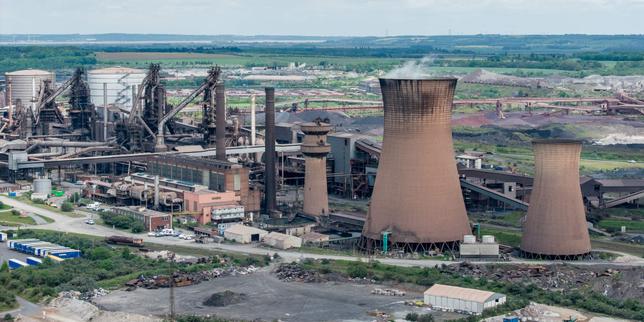
The traditional pillars of the German economy are hurting. Automotive giants, legendary mechanical engineering firms, and massive chemical conglomerates are all facing a brutal reality. They have been hammered by two distinct energy shocks in less than five years, and they are losing ground to fierce, heavily subsidized competition from China.
Germany has always been great at inventing things, but it is notoriously bad at scaling them.
The country routinely files more patents than any other nation in Europe. Yet, Walk through German research universities, and you will find brilliant breakthroughs that never leave the lab. Economists point to a deep-seated aversion to financial risk and a distinct lack of deep domestic capital markets.
The problem is not a lack of talent or ideas. It is an inability to commercialize. Much of what made the country an economic superpower in the past has shifted into mid-tech territory. Those legacy sectors face permanent structural headwinds. They can no longer serve as the primary engines of national growth. To attract real global capital, Berlin must show that it can build new corporate champions in software, biotechnology, and advanced clean tech. Right now, investors are still waiting to see those new giants emerge.
Red Tape And Broken Infrastructure
Consider the data center industry as a prime example of the execution bottleneck. Germany currently hosts the largest concentration of data centers in continental Europe, mostly clustered around Frankfurt. You would think the country would be vacuuming up the massive wave of global artificial intelligence infrastructure spending.
Instead, fresh investment commitments are flowing elsewhere.
Building anything significant in Germany requires navigating a bureaucratic maze. Approvals must pass through 16 individual federal states and a dizzying array of local municipal councils. This fragmented system slows construction timelines to a crawl. A project that takes months to approve in other jurisdictions can easily drag on for years here.
High energy costs make the problem worse. The historical decision to abandon nuclear power left the industrial sector reliant on expensive transition fuels. For data centers and heavy factories that require cheap, non-stop electricity, the current price mix is a tough sell. Merz can promise world-class infrastructure all he wants, but until local zoning laws are streamlined and electricity prices drop, international developers will keep looking at alternative markets.
What Capital Markets Actually Need From Berlin
There are some signs of genuine progress that have caught the attention of global money managers. Berlin's recent efforts to overhaul the national pension system are drawing cautious praise from international analysts.
The pension changes are designed to mobilize significant pools of domestic capital, which could provide a steadier funding base for local enterprises. This is exactly the kind of structural reform that financial markets want to see. It shows that the government is willing to tackle politically sensitive domestic issues to improve macroeconomic stability.
Still, setting up a marketing offensive and hosting investment conferences is the easy part. The hard part is rewriting regulations and slashing the daily bureaucracy that suffocates corporate growth.
If you are an investor looking at Germany today, you need to look past the political rhetoric. The country is not going to change overnight. The trillion-euro spending plan will create massive opportunities in construction, defense, and specialized engineering, but structural bottlenecks will remain a drag on overall corporate earnings.
Your next steps should be highly selective. Do not buy the broad index expecting a quick macro recovery. Focus on specific mid-cap companies that have successfully diversified their supply chains outside of Europe and possess proprietary technology that Chinese rivals cannot easily replicate. Watch the local state election cycles closely to see if the regulatory easing promised by Merz actually gets implemented on the ground. Track the progress of Blessing's office. If the investment tsar manages to fast-track major infrastructure approvals by bypassing regional council red tape, that will be your green light to deploy serious capital.