The White House Call That Changed Soccer Rules
Donald Trump just proved that a single phone call can bend the biggest sporting event on earth to its knees.
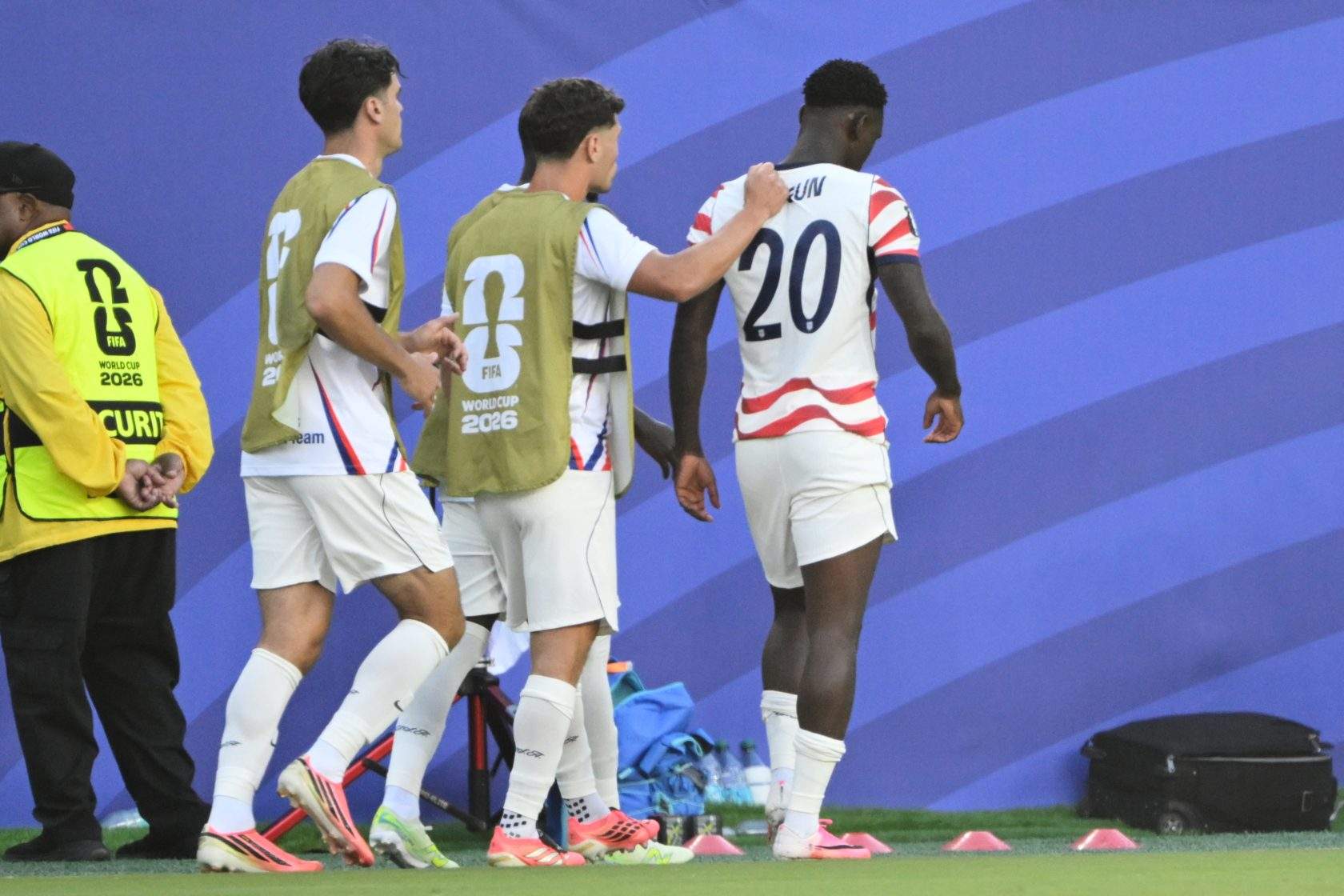
The soccer world is in complete meltdown over FIFA's decision to wipe out a mandatory match suspension for U.S. Men’s National Team star Folarin Balogun. The 25-year-old striker was sent off with a direct red card on Wednesday during a physical match against Bosnia and Herzegovina. Under every established rule in international football, a red card guarantees an automatic one-game ban.
That ban should have kept Balogun out of Monday’s massive Round of 16 knockout match against Belgium. Instead, he will lead the American attack in Seattle.
What changed? U.S. President Donald Trump picked up the phone. Trump admitted Monday that he called FIFA President Gianni Infantino to complain about the red card, arguing that it was not a foul but just "two great athletes that crashed into each other." Shortly after the political pressure campaign, FIFA deployed an obscure loophole to put Balogun on a one-year probation instead of enforcing his immediate suspension.
This is a dangerous moment for international sports. By caving to political muscle, FIFA didn't just help the home team. They compromised the integrity of the entire tournament.
The Tainted Rulebook and the Apparent Favoritism
UEFA didn't hold back its fury. The European soccer governing body released a blistering statement accusing FIFA of crossing a line. They called the decision unprecedented, incomprehensible, and completely unjustifiable.
They're exactly right. Soccer relies entirely on the certainty that rules apply equally to everyone. When the governing body breaks its own principles to accommodate a superpower host nation, the sport becomes a farce.
FIFA defended the move by pointing to Article 27 of its disciplinary code. This rule technically allows judicial bodies to suspend a sanction for a probationary period. But applying this to an automatic red-card suspension in the middle of a World Cup tournament is unheard of.
Look at how other teams have been treated. Several players have already served standard red-card suspensions in this very tournament without a peep from FIFA. Yet, because the United States is a co-host and its president complained, the rules suddenly stretched.
The tackle itself wasn't up for debate. Balogun raked his cleats down the leg of Bosnian defender Tarik Muharemovic, landing squarely on his ankle. A video assistant referee review confirmed the foul. It was dangerous. It was a textbook red card.
Pundits and Managers Rebel Against the Decision
The backlash from the football community was instant and brutal. Former England players didn't mince words. Gary Neville stated plainly that the entire situation stinks, noting that he would be absolutely raging if he were in the Belgian camp. Wayne Rooney called it an absolute disgrace and said Infantino should be ashamed.
Rival managers are equally stunned. Belgium coach Rudi Garcia used heavy sarcasm, mocking the timing of the announcement by saying he didn't realize July 5th was April Fools' Day in Europe. He made it clear that Belgium is now fighting for the basic ethics of the sport.
Norway manager Ståle Solbakken called it a terrible decision that will permanently hurt the World Cup. He raised the obvious question. What happens during the next red card? Will every country now demand a special committee to erase their player's suspension?
Even American fans are worried. The decision puts a massive asterisk next to anything the U.S. team achieves from here on out. If the Americans beat Belgium, critics will always say they won because the rules were bent for them.
A Pattern of Special Treatment for Big Nations
This isn't an isolated incident. FIFA has been quietly chipping away at its disciplinary standards for months.
Earlier this year, FIFA allowed several players from major teams to defer qualifying bans so they could play on the big stage. They claimed they wanted teams to compete with their strongest squads. But there's a huge difference between adjusting schedules before a tournament and altering a punishment less than 48 hours before a knockout match.
FIFA wants maximum revenue and high television ratings. Keeping American star players on the field satisfies corporate sponsors and the host government. But it destroys trust.
The Royal Belgian Football Association is currently looking at legal options, contesting Balogun's eligibility on the team sheet. They complained that FIFA fast-tracked an appeal process and immediately declared Belgium's objections inadmissible before even sharing the full written reasoning for Balogun's release.
Where International Soccer Goes From Here
This scandal shifts the entire balance of power in sports administration. If political intervention can alter refereeing decisions, international sport loses its core fairness.
The immediate next steps will play out on the field and in the courts. Fans and federations must watch how the Court of Arbitration for Sport handles the inevitable fallout from this tournament. European nations are already unified in their disgust, which could lead to a deeper political split between UEFA and FIFA leadership.
For the U.S. team, the pressure is now immense. They must play under a cloud of controversy that they didn't create, knowing the rest of the world is rooting for their exit. Watch the pre-game lineups closely to see how the Belgian squad responds to Balogun's presence on the pitch.