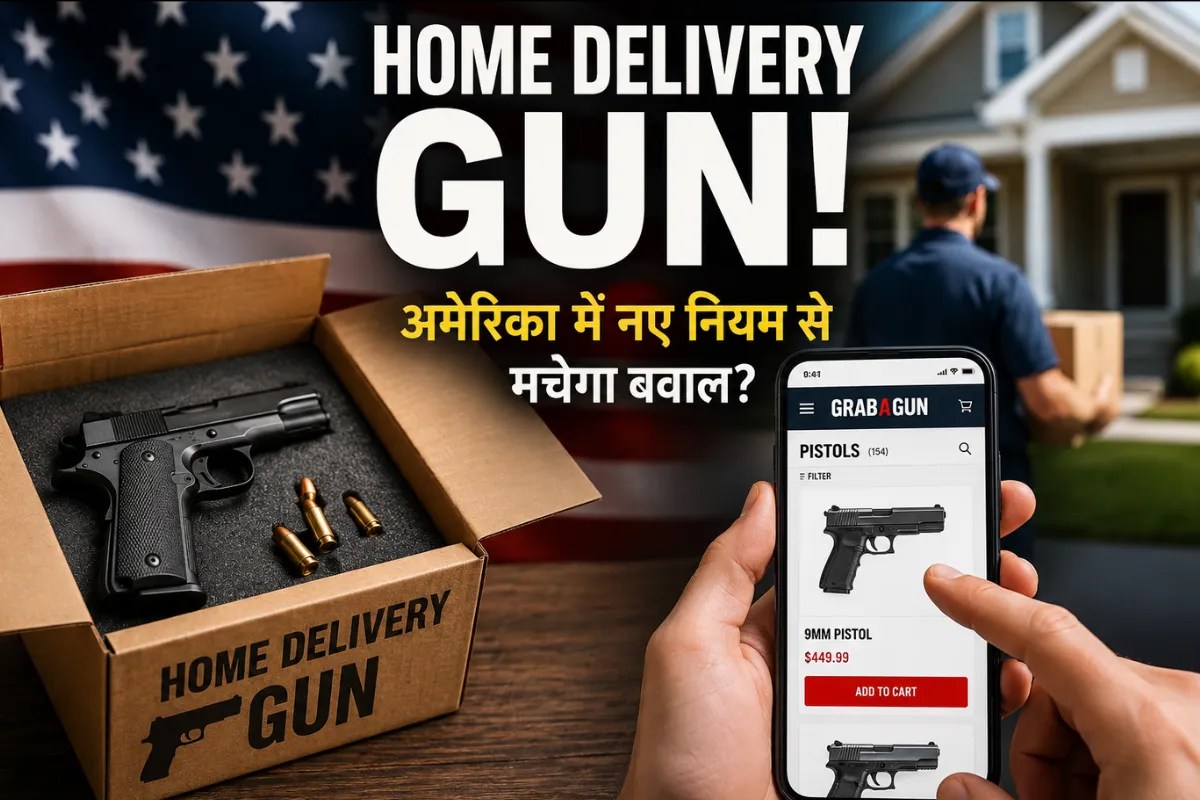
Imagine ordering a handgun online and having it delivered straight to your front porch just like a pair of sneakers. It sounds wild, but it's exactly what a new federal proposal could make reality. The Bureau of Alcohol, Tobacco, Firearms and Explosives just dropped a bomb on the firearms industry by proposing a massive rule change. Under this new system, licensed gun dealers would be allowed to mail firearms directly to residents in their state.
Of course, it isn't an absolute free-for-all. Buyers would still have to pass an online identity verification and background check. Plus, there is a mandatory seven-day waiting period after local police get a heads-up. Right now, if you buy a gun online, you've got to physically go down to a licensed brick-and-mortar shop to pick it up and do your background check face-to-face. This new plan blows that old system wide open.
Naturally, the politics surrounding this are already white-hot. Sitting right in the middle of the crossfire is Donald Trump Jr. and an online gun retailer dubbed the "Amazon of guns."
The Financial Stakes and the Trump Connection
The company grabbing headlines here is GrabAGun. They went public on the New York Stock Exchange in July 2025 through a blank-check merger. Guess who sits on the board and holds over 300,000 shares? Donald Trump Jr.
When the company went public last year, Trump Jr. was front and center celebrating the listing. He touted it as a win against corporate culture. If this new ATF rule gets finalized, online-first platforms like GrabAGun stand to make an absolute killing. The ATF itself estimates that nearly half of all gun buyers, about 3.3 million people a year, could eventually switch to home delivery.
Ethics watchdogs are already screaming foul. They look at the fact that the president's son owns a major piece of a company that would instantly profit from a policy rolled out by his father's administration. Representatives for Trump Jr. quicky pushed back. They state he had zero involvement in crafting the policy and that he doesn't interface with the federal government regarding his private business investments.
The ATF also insists its legal team came up with the idea independently as part of a broader push to modernize retail rules. They claim nobody at the agency even knew about Trump Jr.'s connection to GrabAGun until reporters started asking questions.
Main Street Gun Shops Face a Double Whammy
The debate isn't just about political optics. It's causing a massive rift right inside the gun community itself. Local, family-owned gun shops are terrified.
These smaller mom-and-pop stores rely heavily on what they call transfer fees. When a customer buys a gun online right now, they have to ship it to a local storefront to complete the legal paperwork. The shop charges a fee, usually around $30, to run the background check and hand over the weapon. More importantly, that process brings foot traffic into the store. Once a buyer walks through the door, they usually buy ammunition, cleaning kits, or holsters.
If buyers can bypass the local shop entirely, that revenue stream completely evaporates. Small business owners argue that multi-million dollar online platforms will swallow the market, leaving local shops out in the cold.
Real Security or a Logistics Nightmare
The biggest fight is over public safety. Gun control groups are raising massive red flags about what happens when millions of deadly weapons start moving through the mail system.
Local gun dealers are trained to spot straw purchases. That's when someone legally buys a firearm on behalf of a criminal who can't pass a background check. Store owners can look a customer in the eye, read their body language, and refuse the sale if something feels off. Online forms can't replicate that human intuition.
Then there's the nightmare of porch piracy. Mail theft is already a massive issue across the country. If thieves start targeting delivery trucks or picking boxes off doorsteps, stolen firearms could flood the black market.
The ATF counters that the proposed virtual screening process will actually be tighter and more secure than what currently happens in casual retail environments. They also note the change would save American consumers an estimated $103.7 million every year in travel costs and processing time.
What Happens Next
The proposed rule is not a done deal yet. It is currently locked in a strict public comment period that runs until early August. Anyone can log on and submit their thoughts to the federal register.
If you want to track this or make your voice heard, here is what you need to do. Keep an eye on official federal register updates regarding ATF deregulatory measures. The agency will spend the rest of the year reviewing public feedback. Experts don't expect a final version of the rule to take effect until late 2026 or even early 2027. Expect plenty of courtroom battles and political posturing before a single box hits a doorstep.