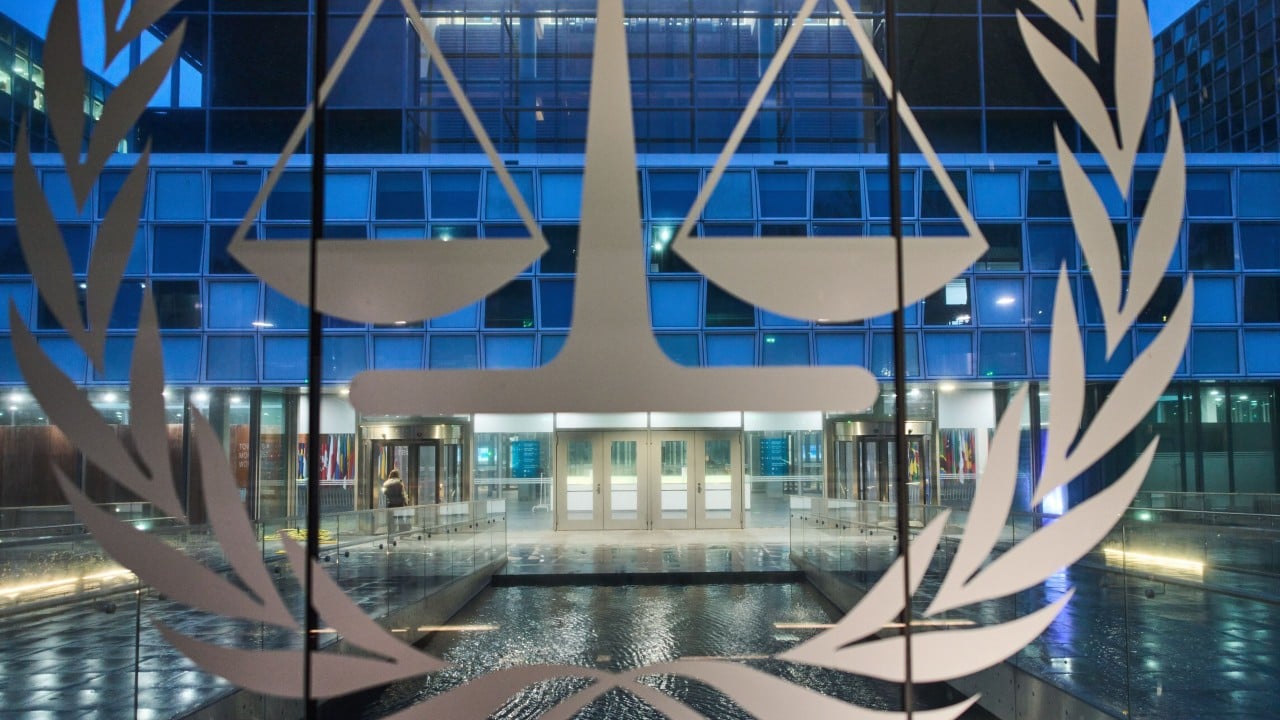
When US Secretary of State Marco Rubio announced a relentless campaign to dismantle the International Criminal Court (ICC) "brick by brick," a collective shiver ran through the diplomatic offices of Tokyo.
This is not a minor policy disagreement between allies. It is a fundamental clash of values, security, and national survival.
On one side, you have the United States. It is Japan's most important security ally, the ultimate guarantor of its defense against regional threats, and a nation that has decided the Hague-based court poses an unacceptable threat to its national sovereignty. On the other side, you have the International Criminal Court itself. Japan is not just a member. It is the single largest financial contributor to the court. Adding to the awkwardness, the current President of the ICC is Tomoko Akane, a respected Japanese jurist.
Tokyo is caught in a vice. The diplomatic tightrope just got incredibly thin, and the margin for error is non-existent.
The Pressure From Washington Is Real
The Trump administration has made its goal crystal clear. They want to disable the ICC.
On July 13, 2026, the US State Department announced a sweeping, whole-of-government campaign to target the court. Rubio followed up with a highly aggressive video message, claiming that the court is waging a war against the US using statutes and the force of international law.
Washington's campaign is not just about words. It involves serious actions:
- Threatening visa revocations and travel bans for ICC personnel.
- Enacting deep financial sanctions against the court and its associated groups.
- Applying immense diplomatic pressure on allies to withdraw from the Rome Statute.
The most chilling part for Tokyo is the direct threat to US security partners. The State Department openly warned that nations relying on American military protection while refusing to reject the ICC will face "increased scrutiny."
For a country like Japan, which relies entirely on the US nuclear umbrella for its defense against an increasingly assertive China, North Korea, and Russia, that warning is a diplomatic dagger.
Why Tokyo Cannot Just Walk Away From the Court
If the US is so important to Japan's survival, why doesn't Prime Minister Sanae Takaichi just pack up and withdraw from the Rome Statute?
It is not that simple. Japan joined the treaty in 2007. Since then, Tokyo has built its entire foreign policy identity around the concept of the "rules-based international order" and the "rule of law."
For Tokyo, international law is a shield. As a nation with a pacifist constitution and a defense-oriented military, Japan cannot rely solely on raw military power. It needs international norms to hold aggressive neighbors accountable. If Japan abandons the world's highest court of international justice just because Washington demanded it, Tokyo's credibility on the global stage lies in ruins.
How can Japan lecture other nations on maritime law in the South China Sea if it abandons its commitment to the ICC at the first sign of pressure?
Then there is the financial and leadership aspect. Japan pays the bills. It is the biggest financial contributor to the ICC, stepping up to fill the void left by other powers. And with Tomoko Akane serving as the president of the court, the institution's leadership is directly tied to Japan's legal community.
Abandoning the court now would mean abandoning a prominent Japanese judge who has already faced intense threats—including an arrest warrant from Russia after the court targeted Vladimir Putin.
The Roots of US Hostility
The friction between the US and the ICC is not new. It has been brewing for decades.
The US signed the Rome Statute under Bill Clinton but never ratified it. Under George W. Bush, Washington active opposed the court, fearing that American soldiers operating overseas would face politically motivated prosecutions.
Things cooled down slightly, but the tension exploded again when the court began investigating alleged war crimes committed by US troops in Afghanistan. The relationship fractured completely when the court issued arrest warrants for Israeli Prime Minister Benjamin Netanyahu and other officials over the war in Gaza.
The US views these moves as a direct assault on the sovereignty of democratic nations with their own functioning judicial systems. In the American view, the ICC has overreached, turning into an unaccountable supranational entity that claims jurisdiction over citizens of countries that never signed the treaty.
How Japan Is Trying to Navigate the Crisis
So, what does Tokyo do?
For now, they are doing what Japanese diplomats do best: stalling and using carefully measured language.
Chief Cabinet Secretary Minoru Kihara stated that Japan is watching the situation "closely with concern." He reiterated that Japan has consistently supported the ICC and believes in the eradication of serious crimes. But he also emphasized that Tokyo will address the issue by consulting closely with both the ICC and Washington.
It is classic double-speak. Japan is trying to please everyone while committing to nothing.
But this passive strategy has an expiration date. If Washington begins blacklisting companies that do business with the ICC, or if the US demands a formal vote of withdrawal from allies, Japan will have to choose.
What Lies Ahead for Tokyo's Diplomats
Japan's diplomatic apparatus is currently working behind the scenes to find a compromise.
First, Japanese diplomats will try to convince Washington that destroying the ICC completely actually harms US interests. A weaker ICC means less accountability for human rights abuses committed by US adversaries in places like Ukraine or Africa.
Second, Tokyo will likely try to quiet the waters by encouraging the ICC to focus on consensus-building rather than high-profile prosecutions of non-member states. They want the court to survive, but they need it to stop poking the American bear.
This is a dangerous game. If the ICC backs down, it loses its independence. If it stands firm, Washington might tear it down.
Ultimately, Japan's goal is survival. Tokyo will do everything it can to avoid a public confrontation with the US while quietly funding and supporting the court behind the scenes. Whether that strategy can survive Rubio's "brick by brick" campaign remains to be seen.