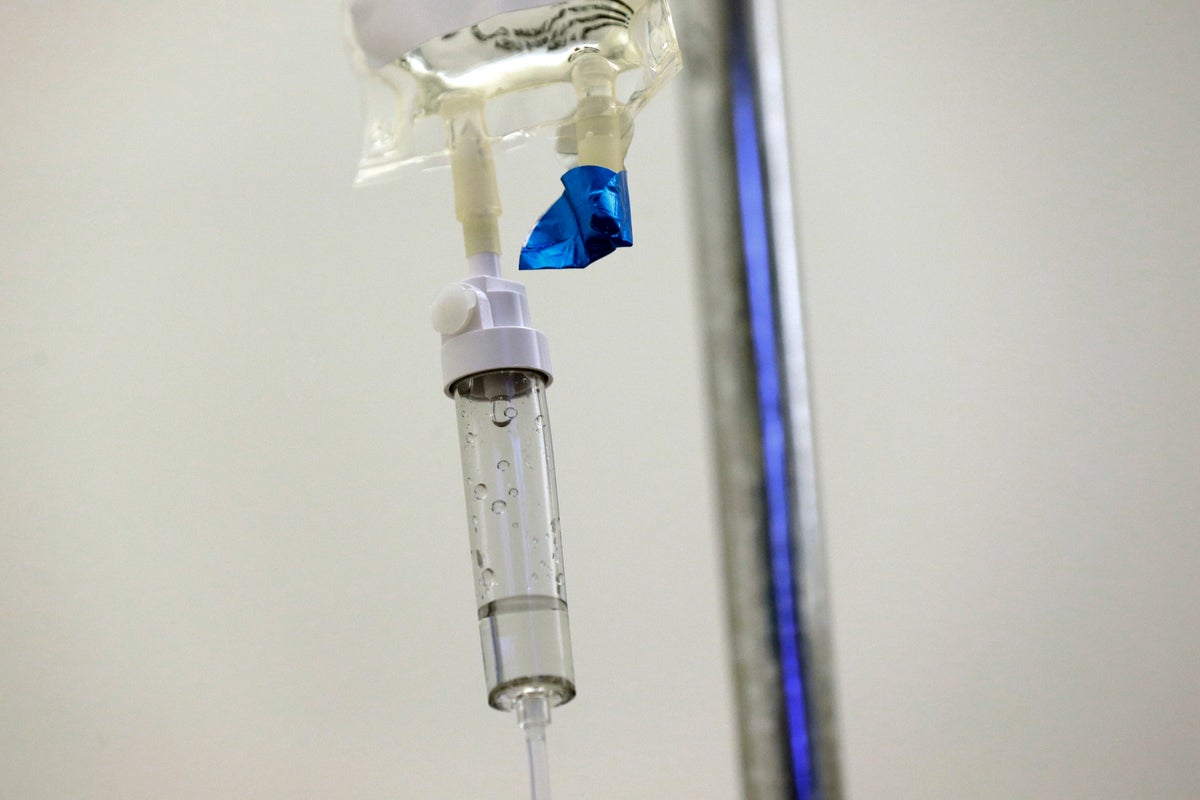
Imagine sitting in a clinic waiting room, mentally preparing for a grueling round of cancer treatment, only for your oncologist to walk in and tell you they ran out of the drug keeping you alive. It sounds like a nightmare from a bygone era or a failing healthcare system. Yet, it's exactly what thousands of cancer patients across the United States are facing right now. Supplies of absolute workhorse chemotherapy medications are plummeting, and medical centers are staring down the terrifying prospect of rationing care.
If you or someone you love is dealing with a cancer diagnosis, you're likely searching for answers about why this keeps happening and what you can do about it. The blunt truth is that our medical supply chain is deeply broken. It isn't a problem of scientific innovation or rare ingredients. It's a failure of basic economics and manufacturing regulations.
Right now, drugs like carboplatin, cisplatin, oxaliplatin, and ifosfamide are in critically short supply. These aren't niche, experimental therapies. They're the absolute foundation of treatment for breast, lung, ovarian, testicular, bladder, and head and neck cancers. Without them, standard treatment protocols simply collapse. Doctors are being forced to make agonizing choices about who gets a full dose, who gets a delayed dose, and who has to be switched to an inferior alternative.
The New Supply Chain Collapse Hitting Cancer Centers
The current crisis escalated dramatically following a series of compounding manufacturing disruptions. Data from healthcare group Premier, which handles purchasing for thousands of hospitals, shows the terrifying scale of the problem. Hospital systems are receiving a mere 38% of their orders for ifosfamide. Cisplatin orders aren't much better, hovering at around two-thirds of normal capacity.
When supplies drop that low, hospital pharmacies can't just find another supplier. The generic drug market doesn't work that way. There aren't dozens of companies waiting in the wings to pick up the slack. Usually, only a small handful of facilities worldwide produce these sterile, injectable liquids. When one goes down, the entire domino line falls.
Oncologists at major clinics, including the Florida Cancer Specialists and Research Institute, have gone public about how difficult it has become to secure basic platinum-based chemotherapies. This isn't a regional hiccup. It's a nationwide emergency forcing healthcare systems to operate in a constant state of panic. Pharmacists spend hours every single day tracking down vials, trading with neighboring facilities, and trying to stretch whatever inventory they have left.
The Cold Logic of Medical Rationing
What happens when a hospital runs out of a drug? Doctors hate using the word rationing, but we need to call it what it is. Medical teams are quietly implementing triage protocols to decide how to distribute their dwindling stockpiles.
First, clinics are changing how they schedule and dose patients. To avoid wasting a single drop of precious medicine, some facilities are booking patients receiving the same drug consecutively on the same day. This allows pharmacists to draw every microdose out of a vial without throwing away leftovers that can't be stored. Others are rounding doses down by 5% or 10%. It sounds small, but over dozens of patients, it saves enough medication to treat someone else who would otherwise get nothing.
Second, the criteria for who gets priority becomes brutally simple.
- Curative Intent: Patients whose cancers can be completely cured by the drug get first priority. If a young patient has testicular cancer or early-stage breast cancer where the goal is a complete cure, they get the medication.
- Non-Curative or Palliative Care: Patients with advanced, metastatic disease where the treatment is meant to prolong life or manage pain are pushed down the list. They are often switched to secondary options that might not work as effectively or carry harsher side effects.
It's an ethical nightmare for doctors. They went to medical school to save lives, not to decide who gets a chance at survival based on an inventory spreadsheet. The anxiety passed down to patients is immeasurable. People are quite literally fighting for their lives while wondering if their next appointment will be canceled because a delivery truck didn't show up.
Why Cheap Generic Meds Turn into Supply Disasters
To understand why this keeps happening, look closely at the price tags of these medications. Cisplatin costs about $15 a vial. Carboplatin is around $35. These are older, off-patent generic drugs that have been around for decades. Because they are so cheap, they have been commoditized to the point of absurdity.
Major pharmaceutical giants don't want to make low-margin generics. They want to develop branded, cutting-edge immunotherapies that cost thousands of dollars per dose. The production of older generics has been outsourced to a tiny number of contract manufacturing organizations, often operating overseas with razor-thin profit margins.
Because the profit margins are practically nonexistent, these manufacturers rarely invest in upgrading their facilities. They don't buy new equipment, they don't modernize their assembly lines, and they run their operations at maximum capacity constantly. It is an industry built on a house of cards.
We saw this exact same crisis play out heavily a few years ago when a massive manufacturing plant in India had to halt production after a routine Food and Drug Administration inspection revealed shocking quality control failures. Because that single plant supplied a massive chunk of the American market for cisplatin and carboplatin, the entire US healthcare system went into a tailspin. Now, we're seeing history repeat itself with a different set of drugs and different facilities. The underlying systemic sickness was never cured.
The Simtra Plant Breakdown and the Ifosfamide Scarcity
The acute shortage of ifosfamide right now traces directly back to a single source: a contract manufacturing facility in Germany operated by Simtra BioPharma Solutions. The FDA issued a formal warning letter to the company following a detailed inspection that uncovered repeated microbial contamination in their aseptic processing areas.
When you are manufacturing sterile injectable drugs meant to be pumped directly into the veins of cancer patients with wiped-out immune systems, sterility isn't optional. A single bacterial particle can be fatal. Simtra had to scale back production to fix these deep quality issues, and the European Medicines Agency has noted that the facility likely won't return to its full manufacturing capacity until early 2027.
Think about that timeline. We are looking at months, if not years, of constrained supplies for a critical chemotherapy agent because one factory in Germany failed its safety checks. The FDA is trying to patch the holes by considering temporary import authorizations, allowing drugs from unapproved foreign plants into the US market to stop the bleeding. They did this during previous crises by importing cisplatin from Chinese manufacturers. But temporary imports are a band-aid on a gaping chest wound. They don't fix the reality that the supply chain has zero built-in redundancy.
Actionable Steps for Cancer Patients and Families
If you are a patient currently undergoing chemotherapy or supporting a family member through a diagnosis, don't let panic paralyze you. You need to be proactive, informed, and direct with your medical team. Here is what you should do immediately to protect your treatment plan.
Have an Open Conversation with Your Oncologist
Don't wait for a crisis to strike before asking about drug availability. At your next appointment, ask your doctor hard questions. Is this facility currently experiencing shortages of any drugs in my regimen? Do you have enough inventory secured to finish my planned cycles? What is the specific backup plan if our supply is interrupted? Knowing the terrain helps you prepare instead of being blindsided.
Understand Your Alternative Treatment Options
Many cancers have multiple valid treatment pathways. If a specific drug like carboplatin runs dry, there may be an alternative regimen that uses different agents entirely. Ask your oncologist to explain the secondary choices, their success rates, and their side effect profiles. Knowing that a viable Plan B exists can alleviate a massive amount of psychological stress.
Connect with Specialized Advocacy Organizations
When hospital systems fail to secure drugs, patient advocacy groups can step in to offer guidance, resources, and navigation assistance. Organizations like Angels for Change track drug shortages at the ground level and work aggressively to help patients find clinics or clinical trials that still have active supplies of essential medicines. You don't have to fight the medical bureaucracy entirely on your own.
Track the Official FDA Shortage Database
The FDA maintains a public, searchable database of all active drug shortages on its official website. You can look up specific medications to see the current availability status, which manufacturers are experiencing disruptions, and when supplies are projected to normalize. Staying informed gives you the data you need to advocate for yourself effectively.
The chronic shortage of lifesaving generic cancer treatments is an ongoing failure of our medical infrastructure. Until structural legislative changes force drug buyers to pay fair prices for generics in exchange for guaranteed supply chain resilience, patients and doctors will continue to bear the burden of a broken market. Stay vigilant, ask direct questions, and demand transparency from your care providers.