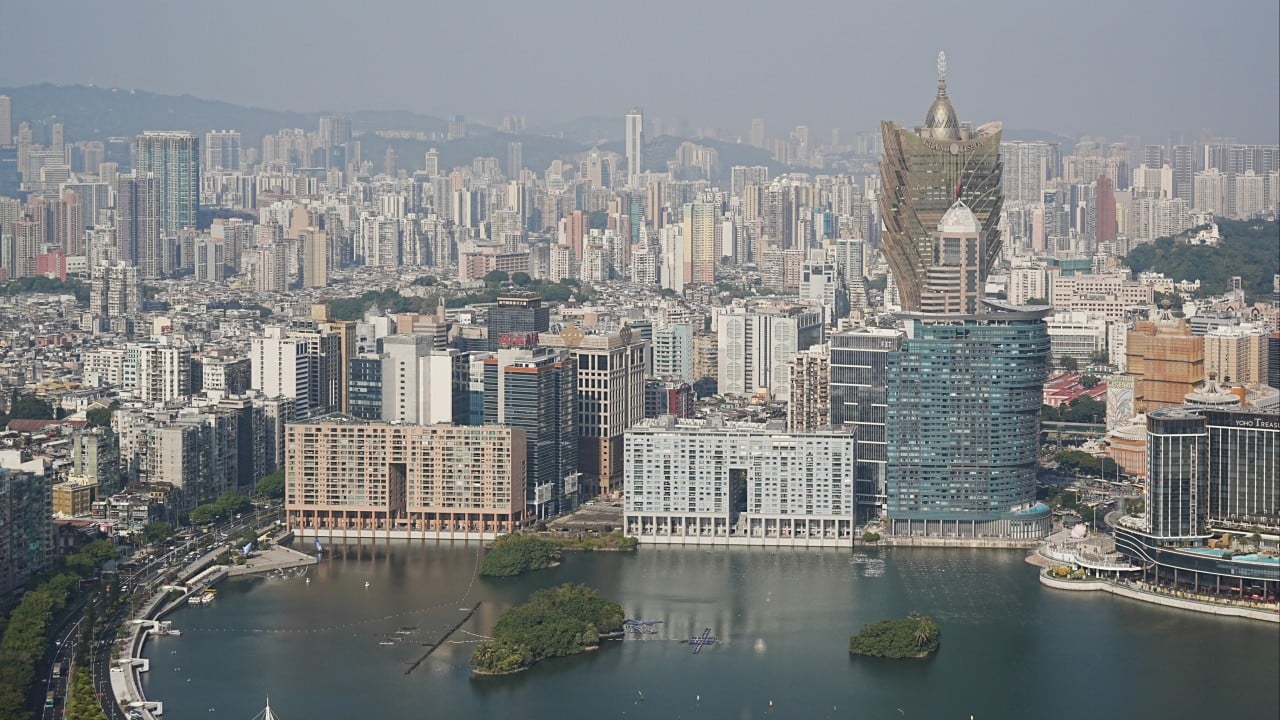
When the global spotlight turned to Baku for the climate summit, the Azerbaijani government smiled for the cameras and talked about a green future. But behind the shiny glass facades of the capital, a much darker reality is playing out. If you follow human rights in the region, you already know the core truth. En Azerbaïdjan, les conditions carcérales se dégradent pour les opposants, and it's happening at a speed that should alarm anyone who cares about basic human dignity.
This isn't just about politicians losing elections. We're talking about independent journalists, anti-corruption researchers, and regular activists being systematically broken inside a penal system designed to eliminate dissent. The state has dropped all pretenses of fair play. Over the past two years, Baku intensified its multi-front war on domestic critics, turning detention facilities into high-pressure chambers of physical abuse and medical neglect. Don't forget to check out our earlier post on this related article.
En Azerbaïdjan les conditions carcérales se dégradent pour les opposants through deliberate medical neglect
The most terrifying weapon in the Azerbaijani penal system isn't a guard's baton. It's the calculated withholding of life-saving medical care. When the authorities lock up an intellectual or a reformer, they don't need to hand down a death sentence to achieve a lethal outcome. They simply let chronic illnesses do the work for them. If you want more about the background of this, USA.gov provides an excellent summary.
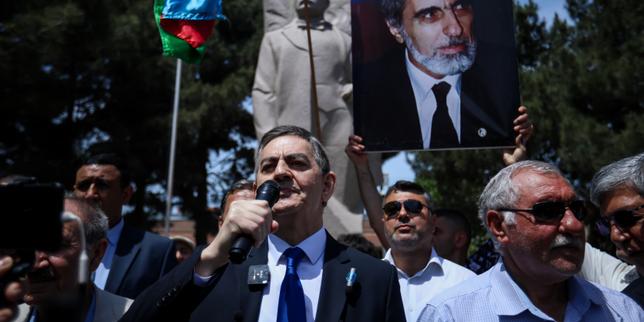
Take the case of Dr. Gubad Ibadoghlu. He is a prominent economist, professor, and anti-corruption defender who openly challenged the state's financial opacity. He spent nine grueling months in a pretrial detention center before being moved to house arrest. By April 2026, his legal limbo marked 1,000 continuous days of state captivity.
Dr. Ibadoghlu suffers from a rapidly enlarging aortic root aneurysm along with severe valve damage. It's a ticking time bomb. He needs urgent surgical intervention that simply isn't available inside Azerbaijan. Yet, the government keeps him under a strict travel ban, denies him valid identity documents, and blocks his access to specialized care abroad. He has to travel 35 kilometers twice a week just to report to a police station, risking his failing heart every single time. The government didn't just arrest him; they built a cage around his survival.
This systematic denial isn't an isolated mishap. Activist Mohyaddin Orujov, suffering from a severe kidney illness, reportedly received nothing but basic painkillers while his condition nose-dived. When independent monitoring bodies try to intervene, they hit a brick wall. The International Committee of the Red Cross saw its operational capacity inside the country heavily restricted, cutting off the fragile lifeline that families relied on to send medicine and verify the physical condition of their loved ones.
The complete destruction of independent media
Journalism is effectively treated as a criminal enterprise in Baku. The independent outlets that refused to repeat state press releases are now operating from prison cells. The primary strategy involves hitting journalists with absurd, fabricated financial charges like currency smuggling, tax evasion, and forgery.
The systematic dismantling of Abzas Media shows exactly how the state operates. Prominent team members, including Ulvi Hasanli, Sevinc Vagifgizi, Nargiz Absalamova, Elnara Gasimova, and Mahammad Kekalov, faced sentences of up to nine years in prison. Their crime was documenting high-level corruption and asset hoarding among the ruling elite.
Inside the walls, the pressure turns physical. Female journalists from Abzas Media and defendants linked to the Toplum TV crackdown reported experiencing targeted physical violence, punitive cell transfers, and being forced into heavy shackles during long court hearings.
Independent union leaders face similar fates. Afiyaddin Mammadov, the chair of the Confederation of Workers' Desk Trade Unions, was slapped with an eight-year sentence. To break his resolve, authorities repeatedly shoved him into prolonged solitary confinement, a psychological torture method used widely across the state's maximum-security prisons.
Transnational repression and the rise of trials in absentia
If you think escaping the country guarantees safety, think again. The Azerbaijani state expanded its reach far beyond its physical borders using a terrifying new legal framework.
Amendments made to the Criminal Procedure Code allowed the judicial system to hold trials in absentia for the first time. The Baku Courts for Serious Crimes quickly weaponized this tool, issuing long sentences to critics living safely in France, Germany, Switzerland, and the United States.
- State-appointed lawyers handle these trials without ever making contact with the defendants.
- Government-appointed forensic experts provide unverified opinions that serve as the sole basis for convictions.
- Simple social media posts or online commentaries are twisted into charges of "calling for mass disorder" or "violent seizure of power."
In February, the courts handed a six-year sentence to Altay Goyushov, an academic and historian living in France. These absentia verdicts aren't just symbolic paperwork. They are specific legal traps. Baku uses these convictions to file international extradition requests and trigger red notices. A dissident traveling through an international airport can suddenly find themselves detained and shipped back to a Baku cell.
What you can do right now to support political prisoners
International silence is exactly what allows these prison conditions to worsen. When the global community stops watching, the treatment inside gets harsher. You can take immediate, practical action to keep the spotlight on these cases.
Support independent monitoring organizations
Human Rights Watch, Amnesty International, and local Azerbaijani monitoring groups are the only entities tracking these trials and documenting abuses inside the cells. Supporting their work keeps the data accurate and public.
Pressure elected officials regarding diplomatic leverage
Azerbaijan cares deeply about its international prestige and energy partnerships. Write to your representatives and demand that any bilateral trade agreements or diplomatic engagements with Baku are strictly conditioned on the immediate release of political prisoners like Dr. Gubad Ibadoghlu and the jailed journalists of Abzas Media.
Amplify the voices of exiled media
The state wants these critics forgotten. Follow, share, and support the platforms kept alive by Azerbaijani journalists working in exile. Keeping their investigations visible proves to the Baku regime that locking up a writer doesn't kill the story.