You think you've seen every bizarre influencer hustle out there. You've watched them pitch sketchy vitamins, sell fake lifestyle courses, and stage public stunts just for clicks. But a court ruling out of Beirut shows how far the thirst for profit can actually go.
George Hanna Dib, a wildly popular Lebanese food influencer known to millions of followers as "Dr Food," just got slammed with a life sentence with hard labor.
The reason? He wasn't just reviewing snacks. According to Lebanese prosecutors, he was using his international food brand, Dr Food Worldwide, as a front to manufacture cannabis-based narcotics and smuggle them across borders hidden inside actual biscuits.
Let's look at what happened, why this goes way deeper than a weird headline, and what it reveals about the dark side of digital fame.
From Food Reviews to a Global Drug Syndicate
If you spend any time on the food side of TikTok or Instagram in the Middle East, you probably know the Dr Food brand. Dib built an audience reviewing restaurants, launching his own line of wafers and baked goods, and showing off the inside of his manufacturing plants. He packaged himself as a self-made culinary entrepreneur, shipping products from Lebanon to global markets.
It turns out that international distribution network was exactly the point.
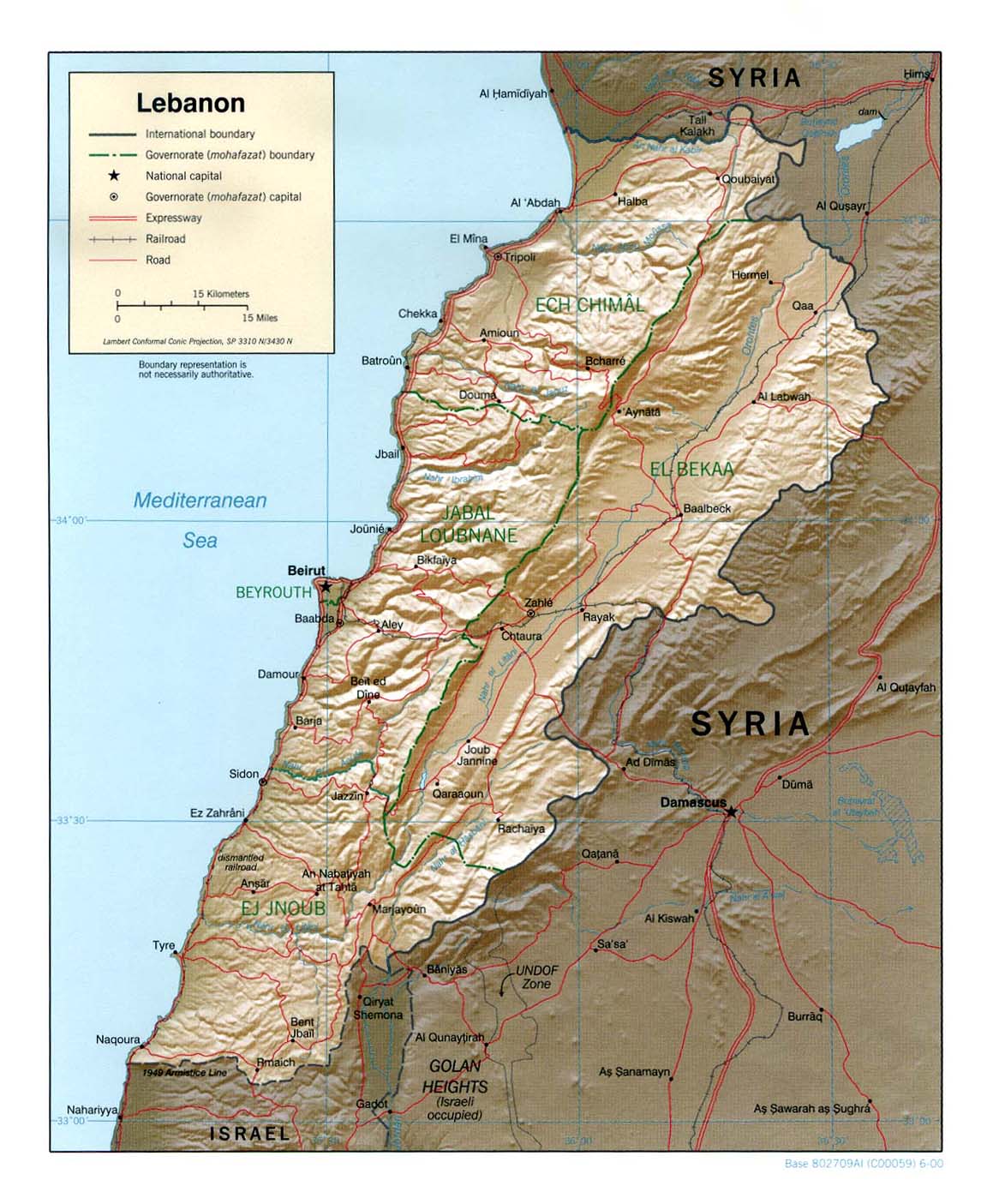
The Mount Lebanon Criminal Court, led by Judge Elie Helou, handed down the massive sentence after a lengthy investigation tied Dib and 10 other suspects to a sophisticated drug ring. The operation didn't just deal drugs; it manufactured them. They stuffed the cannabis-infused narcotics directly inside commercial biscuit packages and shipped them out of the country, frequently using Turkey as a transit hub to move the product into other markets.
Prosecutors stated the obvious: the ring deliberately exploited the company's established commercial brand and shiny international reputation to bypass border security. It is brilliant logistics, but a massive criminal enterprise.
The Life Sentence in Absentia
Dib didn't show up to hear his fate. The court convicted him in absentia, meaning he's currently on the run. Along with the life sentence with hard labor, the court hit him with a fine of 120 million Lebanese pounds and stripped him of his civil rights.
While a few of his co-defendants are sitting in custody, Dib has managed to evade multiple security operations. He is officially a fugitive, trying to outrun a lifetime prison sentence while his empire crumbles behind him.
This isn't just an isolated legal issue for one internet personality. It blows open a massive blind spot in how we view digital authority.
The Blind Spot of the Influencer Halo Effect
Why did this work for so long? It comes down to something psychologists call the halo effect. When someone is attractive, charismatic, and highly successful on your screen every day, you subconsciously assume they're trustworthy in other areas of life.
Customs officials and border patrol agents look at a massive, heavily branded shipment from a famous public figure differently than they look at an unmarked crate from an anonymous exporter. Dib knew that. He built a literal screen of consumer trust to mask a highly illegal operation.
We've entered an era where social media clout functions as a legitimate shield. When you have millions of fans validation-stamping your daily life, it becomes much easier to hide dark realities in plain sight.
Spotting the Red Flags in Digital Brands
You shouldn't assume every internet entrepreneur is running a cartel. But the Dr Food scandal offers some massive lessons for consumers and digital watchers.
First, look closely at hyper-rapid expansion. When an influencer business scales globally at a pace that defies traditional supply chain economics, something might be keeping the lights on behind the scenes.
Second, pay attention to shifting narratives. True product businesses focus heavily on quality control, customer feedback, and real market metrics. Front operations tend to rely entirely on hype, using the founder's face to distract from what is actually happening in the warehouse.
What Happens Now
If you want to protect yourself from getting sucked into the next big influencer scam, stop buying into the personality cults. Evaluate an influencer's business exactly how you'd evaluate a regular corporate entity. Check their operational transparency, look at their actual business practices, and never let a high follower count substitute for basic corporate accountability.
George Hanna Dib is currently running from the law, his verified status entirely useless against a hard labor sentence. The biscuits are off the shelves, the manufacturing plants are crime scenes, and the illusion is completely broken.