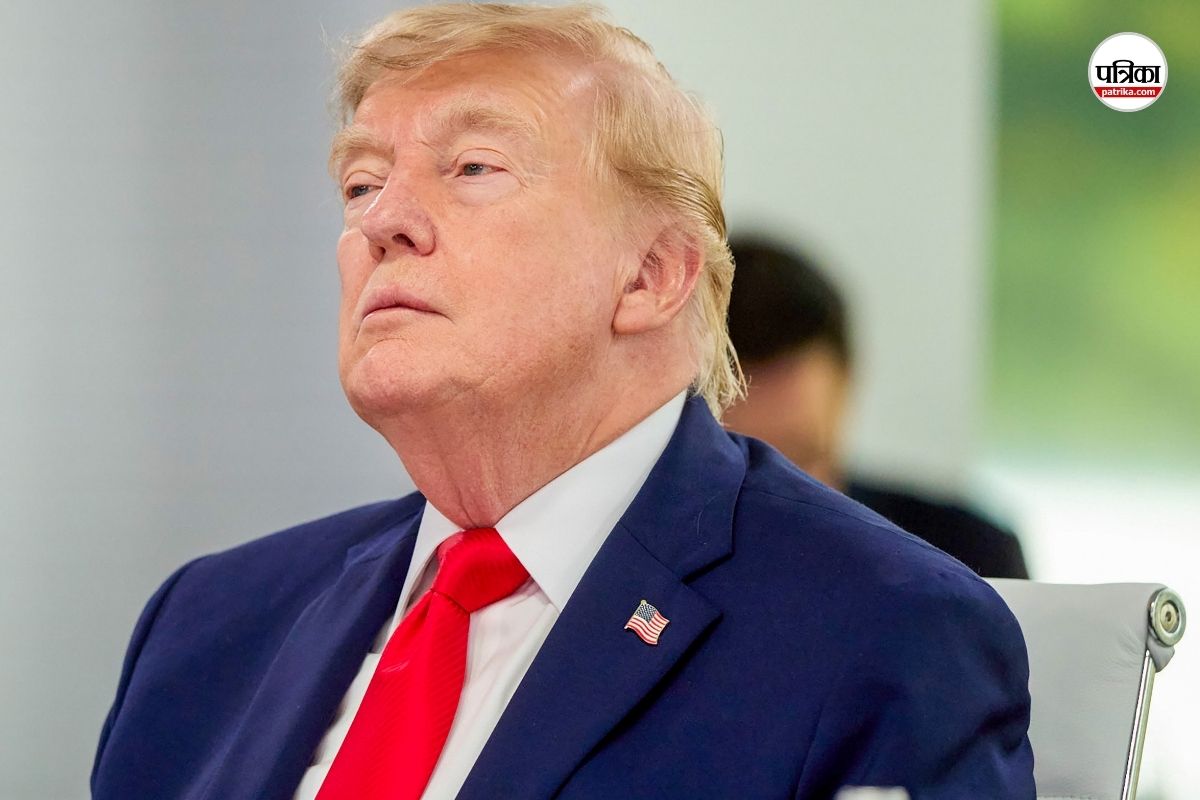
Donald Trump just changed the rules of transatlantic diplomacy again. During an intense Oval Office session with NATO Secretary General Mark Rutte, the US President made it clear that writing checks is no longer enough to keep America happy. He wants something much harder to quantify. He wants absolute allegiance.
For decades, Washington complained about European freeloaders who refused to meet their defense spending targets. But after the recent military conflict with Iran, the grievance shifted. Trump signaled that the multi-billion dollar increases in European defense budgets don't mean a thing if those same allies vanish when things get messy in the Middle East. For another view, consider: this related article.
The timing of this outburst matters. It comes right before next month's crucial NATO summit in Ankara, Turkey. It shows a fundamental shift in how the White House views the 77-year-old alliance. Here is the real story behind Trump's frustration and why five specific European nations are suddenly in the crosshairs.
The Five Nations Blasted by the President
Trump did not hold back. He named names. He pointed fingers directly at the biggest powers in Europe, expressing deep disappointment with their behavior during the recent conflict in the Persian Gulf. Related reporting on the subject has been provided by NPR.
The list includes America's traditional closest allies. Trump explicitly called out the United Kingdom, France, Germany, and Italy for their lackluster support. He saved his most brutal rhetoric for Madrid.
"Spain is a horror show. Spain is terrible," Trump told reporters while sitting next to a visibly diplomatic Rutte. He accused the Spanish government of wanting a free ride on the back of American military might.
The anger boils down to a single issue. The United States expected its European partners to help secure the Strait of Hormuz after Iranian forces disrupted global oil shipping lanes. Instead, Washington met a wall of diplomatic hesitation. Germany, Italy, and Spain flatly ruled out sending warships to participate in the naval mission. The UK and France offered vague promises of de-escalation instead of deploying actual firepower.
To Trump, that hesitation looks like betrayal. He pointed out that the US maintains massive military installations across the continent, including roughly 50,000 troops stationed in Germany alone. The American taxpayer shoulders hundreds of millions of dollars to keep those forces active. When Washington asked for a little pushback against Tehran, Europe balked.
The Shift from Dollars to Devotion
For years, the NATO debate focused entirely on the 2% GDP defense spending target. Trump used his first term to badger allies into spending more on their own militaries. Mark Rutte arrived at the White House prepared for that exact argument, armed with large, printed charts showing a massive surge in alliance spending.
Rutte proudly pointed to what he called "The Trump Trillion" — a $1.2 trillion increase in defense spending by European allies and Canada since Trump first took office in 2017. He noted that NATO partners are on track to inject another $250 billion into defense over the next two years. At the recent Hague summit, member states even agreed to bump their long-term spending targets to 5% of GDP.
Trump did not care.
"We don't need their money," Trump said flatly. "I just want loyalty."
This statement turns traditional NATO diplomacy upside down. Rutte tried to frame Europe's financial contributions as a win for American jobs, arguing that much of that cash buys American-made weapons. But Trump is looking at the strategic board, not the economic ledger. He views military alliances through a transactional lens of mutual protection. If the US defends Europe from eastern threats, Europe must stand with the US when global energy corridors face a shutdown.
What Actually Happened in the Gulf
To understand why the White House is furious, you have to look at the fallout from the recent military skirmish with Iran. After weeks of back-and-forth strikes, the Iranian military effectively choked off the Strait of Hormuz, a narrow waterway responsible for a massive chunk of the world's daily oil transit.
The US military hit back hard, but Washington wanted a multinational coalition to police the waters and reopen trade. European economies rely heavily on stable global oil prices, yet their governments hesitated to join the American naval push. They feared getting dragged into an open-ended regional war.
Rutte tried to downplay the rift, calling the disagreement an isolated case. He reminded reporters that European nations allowed thousands of US warplanes to use continental bases during the conflict.
That explanation did not satisfy the president. Using a base for logistics is different from sending troops into harm's way. Trump noted that even China should be helping police the Strait due to its massive dependence on Middle Eastern oil, but his primary anger remains fixed on the allies who sleep under the American security umbrella.
The High Stakes of the Ankara Summit
The timing of this Oval Office showdown guarantees a tense atmosphere at the upcoming NATO leaders' summit in Turkey. Trump admitted he only agreed to attend the meeting out of personal respect for Turkish President Recep Tayyip Erdogan.
The threat of an American exit from NATO remains a potent tool. Trump used this threat effectively in the past to force budget increases. Now, he is using it to demand strategic alignment. If European allies continue to opt out of US-led operations outside of Europe, the American willingness to defend the continent will erode.
Defense analysts are already warning that the Pentagon is reviewing the size of its military footprint in Europe. If Washington decides that keeping 50,000 troops in Germany yields zero strategic returns during global crises, those troop numbers could drop fast.
Next Steps for European Defense Leaders
European capitals cannot ignore this warning. The old strategy of promising future budget increases will not work anymore. To maintain the alliance with Washington, European nations must adjust their defense policies immediately.
First, alliance members need to define what collective security means in a multi-polar world. If Europe expects the US to maintain a strong deterrent against regional adversaries, it must offer reciprocal support when global supply chains are threatened.
Second, individual nations like Spain and Italy need to address their specific operational capabilities. Relying entirely on American naval logistics while blocking participation in joint maritime security operations is a recipe for diplomatic isolation.
The era of separating economic contributions from geopolitical loyalty is over. Washington wants partners who show up when the shooting starts, not just partners who send a check after the fact. Europe must decide if it is willing to pay that price.