The narrative of unstoppable Russian influence in West Africa shattered in a remote desert outpost. For months, the military junta in Bamako and its partners from the Wagner Group—rebranded as the Africa Corps—had been riding high. They marched into Kidal, a symbolic rebel stronghold, bragging that they’d done what French forces and United Nations peacekeepers couldn't do in a decade. Then they drove north toward the Algerian border, straight into a trap.
When the news broke that a convoy of Russian mercenaries and Mali soldiers was attacked by Tuareg separatists near Tinzaouaten, the initial reports were vague. But as graphic videos flooded Telegram and X, the scale of the disaster became undeniable. This wasn't a minor skirmish. It was a massacre. Dozens of seasoned Russian fighters, including high-profile commanders and propagandists, lay dead in the sand.
Understanding this battle matters because it exposes the limits of trading Western alliances for Russian guns. If you want to know how a band of desert rebels dismantled Moscow’s finest paramilitary forces in a matter of days, you have to look past the official press releases.
The Tinzaouaten ambush shook the Wagner Group
The fighting kicked off in late July near Tinzaouaten, a border commune that has long served as a transit point and a haven for rebel factions. The Malian Armed Forces, known as FAMa, along with their Russian allies, wanted to clear out the remaining Tuareg separatists belonging to the Strategic Framework for the Defense of the People of Azawad, or CSP-DPA.
Initially, the military column scored a few minor victories, clearing rebels from small outposts like In-Afarak. They thought they had the upper hand. They were wrong. The rebels weren't fleeing; they were baiting them deeper into the hostile terrain.
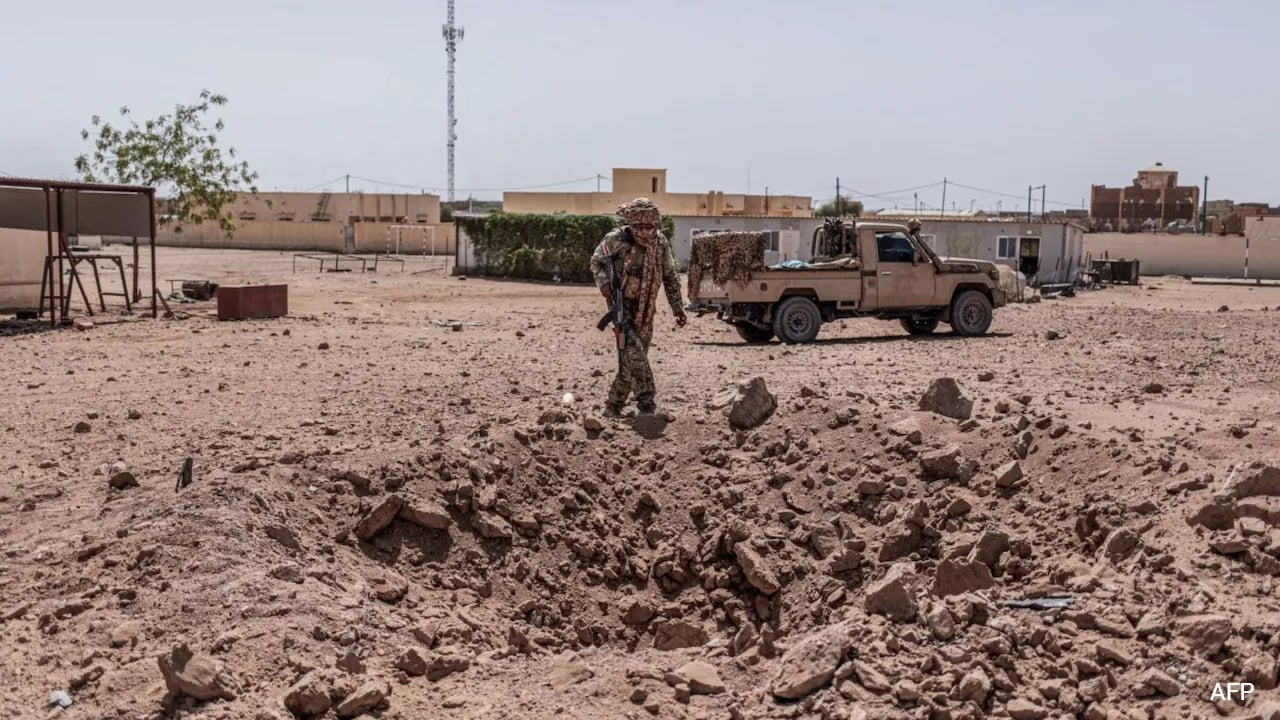
On July 25, the joint Malian and Russian column rolled into a low-ground ravine roughly 12 miles west of Tinzaouaten. The Tuareg fighters held the high ground, hidden among the rocky ridges. They opened fire with heavy weapons, pinning the convoy down instantly. The government troops and mercenaries had zero natural cover.
The numbers tell a brutal story. While early reports tried to downplay the losses, the CSP-DPA later claimed they killed 84 Wagner mercenaries and 47 Malian soldiers. Russian sources and Telegram channels connected to the security services admitted that between 20 and 80 of their men died. To put that in perspective, France lost 59 soldiers across its entire nine-year military campaign in Mali. Wagner lost more than that in a weekend.
Among the dead was Sergei Shevchenko, whose call sign was Pond. He was the veteran commander of the 13th Storm Brigade. Even more devastating for Russian morale was the death of Nikita Fedyanin, known online as White. He ran Grey Zone, a massive Telegram channel that served as the primary propaganda organ for Wagner. Seeing his lifeless body circulating on social media sent shockwaves through the ultra-nationalist community back in Moscow.
How a desert sandstorm crushed a heavily armed column
People wonder how a modern military unit with air support gets wiped out by insurgent forces. The answer lies in the harsh realities of the Sahara and a massive tactical oversight.
First, the weather turned against them. A sudden, violent sandstorm rolled through the region during the heat of the battle. This completely blinded the convoy and grounded their air assets. An Mi-8 transport helicopter sent to evacuate the wounded was shot down by the rebels. Another Mi-24 attack helicopter had to make a forced landing due to mechanical issues or rebel fire. Without eyes in the sky, the mercenaries were sitting ducks.
Second, the rebels used the environment flawlessly. They jammed the convoy with improvised explosive devices to halt the lead vehicles, turning the path into a bottleneck. Once the column stopped, Tuareg snipers picked off the forces from the cliffs above.
The mercenaries tried to dig in, but you can't dig a trench in shifting sand while taking rocket-propelled grenade fire. The few survivors who managed to break through the encirclement and retreat faced another nightmare. They ran straight into a secondary ambush set up by Jama'at Nasr al-Islam wal-Muslimin, an Al-Qaeda affiliate active in the region.
The uneasy alliance between rebels and extremists
One of the trickiest aspects of the conflict in northern Mali is figuring out who is fighting whom. The main group that ambushed the convoy was the CSP-DPA, a secular Tuareg separatist alliance fighting for an independent state called Azawad. They don't share the global jihadist ideology of Al-Qaeda or ISIS.
However, when a massive target like a Wagner convoy enters the area, lines get blurry. The Al-Qaeda-linked group JNIM claimed they carried out a follow-up attack on the retreating troops, killing dozens more. The secular Tuareg rebels denied working with them, but in the chaos of northern Mali, opportunistic coordination happens whether people admit it or not.
This presents a massive challenge for anyone trying to stabilize the region. The military junta uses the presence of Al-Qaeda to justify its brutal tactics. Yet, by targeting secular Tuareg civilians and rebels, the army pushes local populations right into the arms of the extremists for protection. It's a vicious cycle that backfires constantly.
Why Moscow's African playbook is hitting a wall
For years, Russia offered African military regimes a simple deal. They would provide security, protect the junta leaders from coups, and ask no annoying questions about human rights. In exchange, they wanted access to gold mines, oil reserves, and strategic geopolitical influence.
It worked well in the central offices of Bamako and Bangui. But running security for a president in a capital city is vastly different from fighting a counter-insurgency in the deep desert.
The Wagner Group operates on a mercenary model. They don't have the vast logistics chains, massive medical evacuation capabilities, or heavy armor reserves of a conventional state military. Russia has just over 1,000 fighters in Mali. That's an incredibly small footprint to secure a country larger than France and Germany combined. They are spread thin, and the Tuareg rebels proved that when you catch them out in the open, they bleed just like anyone else.
Furthermore, the tactics used by Russian forces have alienated the locals. Reports of mercenaries executing shepherds, targeting civilians, and looting villages have turned the northern population entirely against the central government. When the locals hate you, you don't get intelligence. When you don't get intelligence, you walk into ambushes.
What happens next for the Sahel region
If you're tracking security in West Africa, watch these shifting dynamics closely.
First, expect the junta to double down on air power. Since they can't trust their ground forces to hold northern territory without getting slaughtered, they will rely heavily on drone strikes. Mali and its ally Burkina Faso have already launched retaliatory drone campaigns around Tinzaouaten, which local officials say have killed dozens of civilians. This will only worsen the humanitarian crisis.
Second, Russia will try to save face. They can't let the world think their premier mercenary outfit can be routed by desert rebels. Look for Moscow to send advanced military hardware, including newer combat drones and precision missiles, to signal strength. They will pump out disinformation online, blaming Western intelligence agencies or NATO for supplying the Tuaregs with satellite data.
Finally, the secular Tuareg rebels have found their second wind. Capturing armored vehicles, transport trucks, and heavy weaponry from the defeated convoy gives them the means to fight a prolonged war. They proved the junta cannot simply buy victory by hiring foreign mercenaries.
The battle of Tinzaouaten didn't just end the myth of Wagner's invincibility in Africa. It proved that the deep desert still belongs to those who know how to survive it.
Watch this detailed report from Channel 4 News breaking down the battlefield footage and the wider strategic withdrawal of government forces following the ambush: Mali attack analysis and military pullout