A quiet disaster is unfolding across the globe, and it’s hitting the most vulnerable populations first. Within the last 18 months, at least one million women and girls lost access to critical, life-saving humanitarian aid. This isn't a projection or a worst-case scenario for the future. It's happening right now.
The United Nations dropped a bombshell report revealing that the steepest decline in international aid funding on record has effectively dismantled the safety net for millions. When rich nations tighten their belts or pivot their political priorities, local women's organizations are the ones left holding the empty bag. Today, nearly 90% of these groups say they can no longer meet the desperate needs on the ground. Recently making headlines recently: Why Trump Just Cleaned Out The Federal Election Assistance Commission.
The Math Behind the Missing Billions
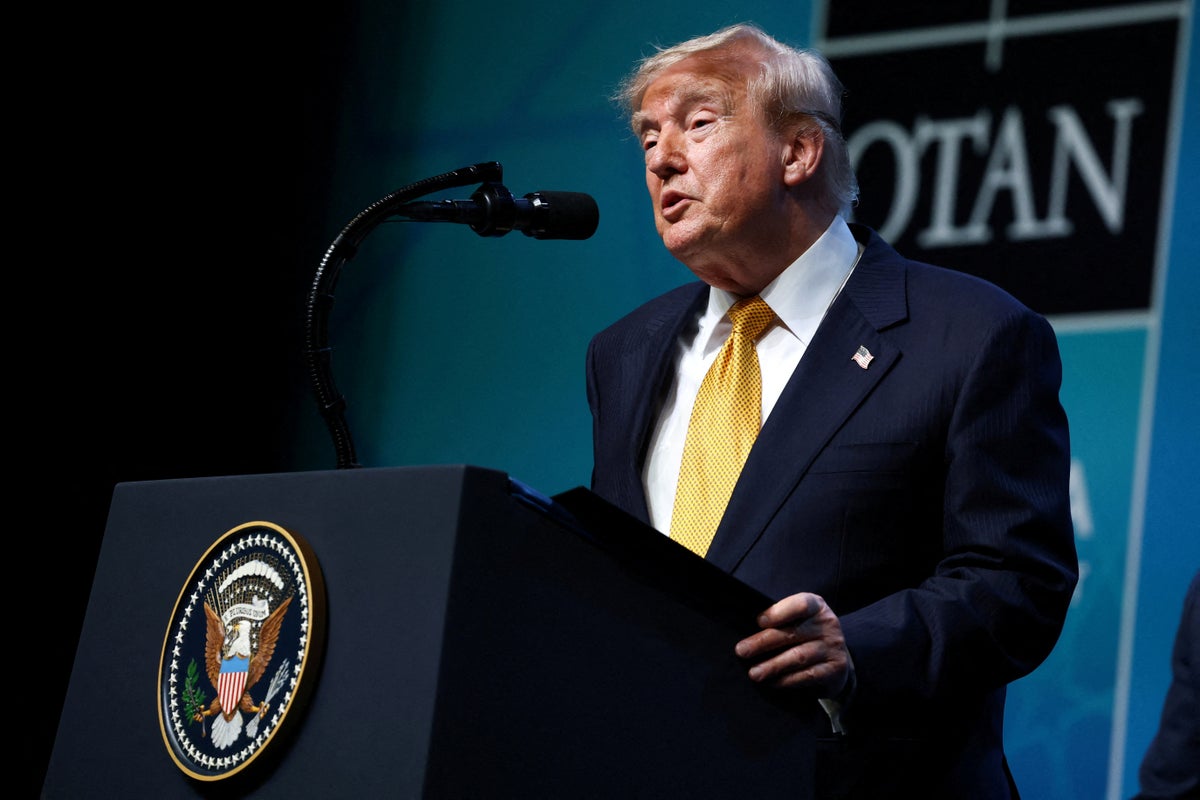
The crisis didn't happen in a vacuum. It started when the Trump administration slashed billions of dollars in foreign assistance, reversing the United States' long-standing position as the world's largest aid donor. Other wealthy nations quickly followed suit, diverting cash toward domestic fiscal pressures and skyrocketing defense budgets.
According to data from the Organisation for Economic Co-operation and Development (OECD), global development assistance plummeted by nearly a quarter over the last year to $174 billion. That is the largest single-year contraction ever recorded. More details on this are covered by TIME.
Global Development Assistance:
Previous levels: [Higher baseline]
Current level:  $174 Billion (A drop of nearly 25%)
This isn't just about a change in spreadsheet numbers. Sofia Calltorp, UN Women’s chief of humanitarian action, made the stakes incredibly clear during a briefing in Geneva. She pointed out that every dollar pulled from these groups is directly stolen from survivors of sexual violence, displaced mothers, and young girls who are being forced out of classrooms.
The UN Women report surveyed 855 organizations across 52 countries, including high-risk zones like Afghanistan, Haiti, and the Democratic Republic of the Congo. The findings are grim. About 40% of these frontline groups are at risk of shutting down completely within the next 12 months because they simply cannot pay their bills.
Turning Away Survivors When Need is Highest
The irony is brutal. Funding is drying up at the exact moment that global conflict and instability are rising. UN reports show that cases of conflict-related sexual violence doubled last year. Yet, because of these financial cuts, 62% of local women's organizations have been forced to reduce or completely shutter their safe spaces and gender-based violence case management services.
We aren't talking about bureaucratic inefficiencies or trimmed administrative fat. We're talking about frontline workers making impossible choices. Right now, 65% of staff at these women-led organizations are working completely without pay just to keep the doors open. Half of these groups have had to implement waiting lists or turn away women and girls who have nowhere else to turn.
When a local clinic closes or a safe house locks its doors, there is no backup option. In places like Yemen or Myanmar, these small, grassroots organizations are the only entities capable of reaching women who are cut off from traditional government services.
The Tip of the Iceberg
The one million figure cited by the UN is a conservative estimate. The real scope of the damage is likely much larger, especially as broader structural changes loom over the international aid apparatus. Under a UN reform process known as UN80, there are active discussions about merging UN Women with UNFPA, the UN's sexual and reproductive health agency, in a desperate bid to consolidate resources.
Meanwhile, the UNFPA’s own humanitarian overview notes that if current funding gaps persist through the rest of 2026, the number of women losing basic health and protection services could easily balloon to over 10 million across places like Afghanistan and the Central African Republic.
How to Take Action Immediately
Waiting for international foreign policy to shift isn't a viable strategy when lives are on the line today. If you want to make an actual impact, you need to bypass the massive, slow-moving bureaucratic pipelines and support the frontline directly.
- Fund Grassroots First: Direct your personal or corporate charitable donations to local, women-led organizations operating inside crisis zones rather than giant umbrella funds. Small, local non-profits convert dollars into direct aid faster and don't lose massive percentages to administrative overhead.
- Pressure Elected Officials: If you live in a donor nation, hold your representatives accountable for foreign aid allocations. Remind them that slashing humanitarian budgets doesn't just save money—it destabilizes global security and abandons allies.
- Amplify Local Voices: Use your platform to share the specific reporting coming out of organizations on the ground in places like Haiti and the DRC. The mainstream media often glosses over the gendered impact of budget cuts, so keeping the spotlight on these specific shortages is essential to forcing policy adjustments.