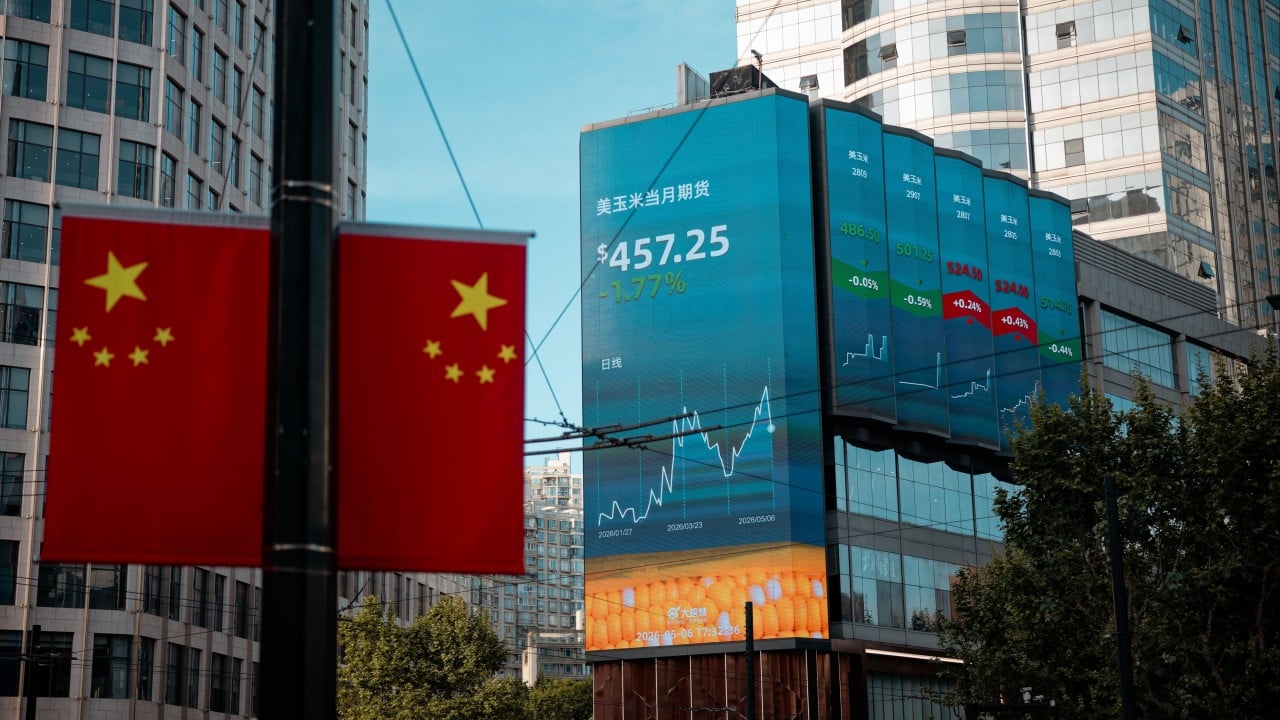
China just completely rewrote the rules for how artificial intelligence labs raise cash. If you run a massive AI startup in Shanghai and you are burning through millions of dollars a day without a single penny of profit, the government doesn't care. In fact, they want to push you straight to the front of the public listing line.
The Shanghai Stock Exchange dropped a massive regulatory update that specifically clears the path for large-model AI companies to launch initial public offerings on the STAR Market. They are doing this by expanding the board’s famous "fifth listing standard." That specific rule was originally built for pre-profit biotech firms. Now, it is being weaponized to fund the domestic AI race.
The timing isn't accidental. This regulatory shift happened right as Wall Street gets ready for massive public debuts from OpenAI, Anthropic, and SpaceX. Beijing realizes that if it wants its domestic AI champions to keep pace with the US, it needs to unleash the domestic capital markets.
Giving Up on Near Term Profit to Win the Compute War
Building a foundational AI model is an incredibly expensive game. You need thousands of advanced graphics cards, massive server farms, and elite engineers who demand seven-figure salaries. For most tech startups, traditional stock markets require a proven track record of profit or at least substantial revenue. Shanghai is throwing that old playbook out the window.
Wu Qing, the chairman of the China Securities Regulatory Commission, made the government's stance crystal clear at a financial forum in Shanghai. He openly stated that global capital markets are rapidly shifting to capture the next wave of technological evolution. If China stays stuck in old bureaucratic patterns, its tech firms will starve.
The update specifically targets large-model companies that have strategic value but haven't reached "a certain scale of revenue." It means companies like Zhipu AI, MiniMax, or Moonshot AI—labs that are building genuine competitors to Western models—can tap public investors for cash long before they figure out how to monetize their software.
It is Not Just Chatbots
While conversational AI takes up all the headlines, Beijing is looking at a much broader tech portfolio. The updated listing rules don't just apply to large language models. The Shanghai bourse explicitly named a handful of other deep-tech sectors that will get the exact same relaxed treatment:
- Brain-computer interfaces
- Quantum computing
- Nuclear fusion
- Hydrogen energy
- Advanced robotics
- Biomedical engineering
This is a structural pivot. The government is essentially saying that near-term profits do not matter if you are working on the foundational blocks of the next industrial era.
The Core Risk for Retail Investors
Let's be realistic about what this actually means for the market. Opening the doors to unprofitable, pre-revenue deep-tech firms transfers a massive amount of risk directly to public investors.
When a biotech company lists pre-profit, they usually have a specific drug in a specific phase of clinical trials. You can look at the data and estimate the odds of success. AI is far more volatile. A model that looks like a winner today could be completely obsolete in six months if a competitor drops a more efficient architecture.
We have already seen warning signs on Wall Street. Investors are starting to get nervous about the massive capital expenditure required for AI compared to the actual revenue generated by corporate software sales. By fast-tracking these listings, the Shanghai exchange is inviting extreme volatility into the STAR Market. High risk, high reward is the new normal.
Your Next Steps If You Are Watching This Market
If you are an investor or tech executive tracking the global AI landscape, you can't ignore this shift. Here is how to navigate the new reality:
- Watch the lock-up expirations. Early listings mean early venture capital backers will look for exits. Keep a close eye on the initial trading months of any newly listed Shanghai AI firm to see if the stock gets diluted by early investors cashing out.
- Track the hardware access. A relaxed IPO path solves the cash problem, but it doesn't automatically solve the chip problem. Look at whether these cash-flush startups can actually secure the computing power they need to train the next generation of models.
- Keep an eye on secondary indices. Watch how major indexes integrate these new pre-profit tech players. The Hang Seng Tech Index recently added companies like MiniMax and Zhipu to its ecosystem, showing that public markets are already shifting their benchmarks to accommodate the new guard.