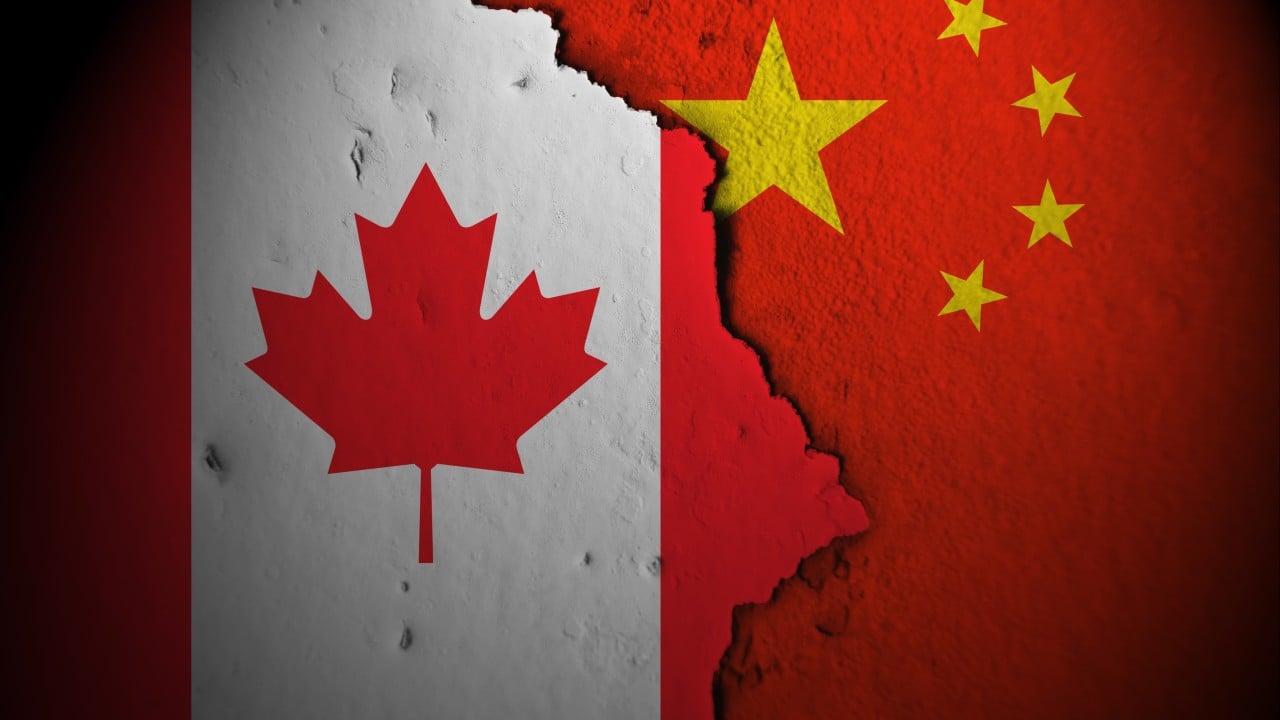
Just when global markets thought Ottawa and Beijing had figured out a way to get along, the reality of geopolitical friction crashed the party.
On Tuesday, June 30, 2026, China’s Ministry of Commerce announced a massive 73.5% preliminary anti-dumping tariff on Canadian pea starch imports. Effective July 1, Chinese importers must cough up this heavy security deposit directly to customs. The decision hits right at the heart of a trade dynamic that many hoped was finally cooling down.
The move proves that the brief "thaw" achieved in January 2026 was mostly theater. When Canadian Prime Minister Mark Carney visited Beijing earlier this year, his team secured a rollback on canola restrictions and suspended several agricultural duties. It looked like a win. But hiding right under the surface was an ongoing 10-month investigation into Canadian pulses.
Beijing didn't hesitate to pull the trigger.
The immediate casualty is pea starch, a seemingly quiet crop byproduct that plays an essential role as a thickener in everything from glass noodles to pet food and industrial paper manufacturing.
The Friction Behind the Pulse Market
To understand how we got here, you have to look back to August 2025. That was the exact moment Ottawa matched the United States by slapping punitive tariffs on Chinese electric vehicles. Beijing struck back immediately, initiating an anti-dumping probe into Canadian canola and pea starch on the very same day.
While canola grabbed all the major business headlines, the pea industry was left exposed.
China's Ministry of Commerce claims its investigation found that Canadian imports were aggressively undercutting local market prices between 2021 and 2024. Six major Chinese domestic producers—representing over 90% of local production—banded together to trigger the case. They complained that cheap Canadian supply caused severe financial pain, suppressing domestic prices to unsustainable levels.
Canada happens to be one of China’s largest foreign suppliers of pea starch, shipping nearly 20 million kilograms to the country in 2024 alone. A 73.5% penalty fundamentally changes that math. It effectively shuts Canadian processors out of the Chinese market overnight.
What This Means for Global Agricultural Supply Chains
If you are a Canadian pulse processor or grower, relying on China as a reliable buyer is no longer a viable strategy. Beijing routinely uses targeted agricultural blocks as diplomatic leverage. They've done it with Canadian beef, canola, and now pea derivatives.
For international supply chain managers and agricultural traders, the immediate focus shifts to pivoting away from single-market dependencies.
The path forward requires a distinct set of operational moves:
- Redirecting Raw Supply to Domestic Value-Add Processing: Instead of exporting raw peas or basic starch fractions to Asian markets, Canadian firms must scale up processing infrastructure at home. This keeps the economic value in North America and services the growing regional plant-based protein market.
- Accelerating European and American Market Expansion: While China represents a huge consumer base, Western Europe and the United States have seen surging demand for clean-label starches and allergen-free binders. Marketing teams need to aggressively shift contract volumes into these jurisdictions.
- Redefining Trade Agreements with Secondary Buyers: Exporters should lock in multi-year volume commitments with alternative buyers across Southeast Asia, specifically in nations like Vietnam and Thailand, where food manufacturing sectors are expanding rapidly and lack high domestic tariffs on pulses.
The lesson here is simple. Trade deals built on fragile political ground don't last. When major economic powers use targeted agricultural penalties to settle wider disputes over industrial tech and electric vehicles, food security and farming supply chains bear the brunt of the damage. True resilience lies in diversification, not in waiting for a political climate that may never permanently clear up.