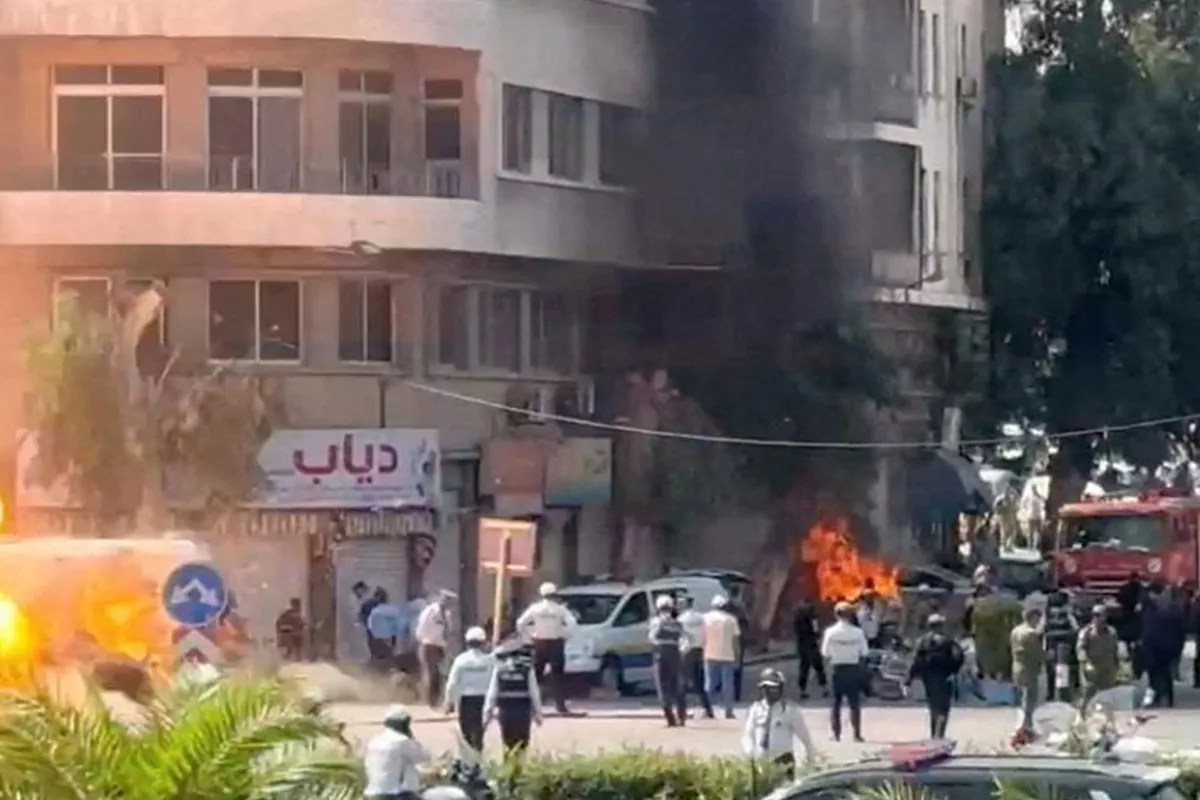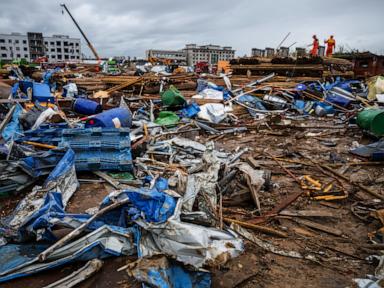
Severe weather just ripped through central China and the scale of destruction is catching a lot of people by surprise. At least 11 people are dead and hundreds more are injured after violent tornadoes and storms tore through Hubei province and surrounding areas late Monday night. This wasn't your run-of-the-mill summer thunderstorm. We're talking about an EF2 tornado slicing through industrial zones, winds powerful enough to blow a man right out of a high-rise apartment building, and rainfall that shattered local records. It's a stark reminder of how unpredictable extreme weather has become.
When you think of tornadoes, you probably think of the American Midwest or maybe China's southern coastal regions like Guangdong. Central China's Hubei province rarely sees this kind of activity. In fact, the last major tornado recorded here was back in May 2021. So when a system packing winds up to 260 kilometers per hour hits an area unprepared for it, the results are catastrophic.
The Freak Atmospheric Collision in Hubei
Meteorologists are pointing to a perfect storm of atmospheric ingredients that triggered this disaster. It wasn't just one isolated weather front. Instead, the remnants of Typhoon Maysak collided directly with a local early-summer rain system and a surge of cold air pushing in from the northeast.
According to Wang Xiaoling, an expert with the Hubei Daily, this unusual combination created massive vertical wind currents. The resulting EF2 tornado generated winds hitting roughly 40 meters per second. That's easily enough force to lift heavy vehicles, tear roofs off concrete structures, and shatter glass doors instantly.
The city of Huanggang took a direct hit. In one horrifying incident reported by local media, the wind pressure was so intense it literally sucked a 30-year-old man out of his 12th-floor apartment window along with his sofa and cabinets. He survived but is currently fighting for his life in intensive care. Down on the ground, a local logistics park looked like a war zone. Multiple massive shipping trucks were lifted into the air and tossed up to 30 meters away from where they were parked.
Widespread Destruction Across Multiple Provinces
The damage reports coming out of China paint a grim picture of the immediate aftermath. State news agency Xinhua reported that the severe weather has directly affected more than 14,600 people in Hubei alone.
- Over 330 people are hospitalized with injuries.
- At least 20 houses completely collapsed during the peak of the storm.
- More than 4,800 buildings sustained significant structural damage.
Further south in the Guangxi region, the story is all about water. The same system brought relentless, record-breaking rainfall that triggered massive flash floods. In Hengzhou city, four people died and eight others are missing after the Liulan Reservoir breached its banks. The flooding forced the urgent evacuation of over 53,000 residents, with another 8,000 displaced in nearby Binyang county. Rivers in the area surged to a terrifying 24 feet above standard warning levels, prompting officials to issue their highest-level red flood alert.
Meanwhile, the northwest wasn't spared either. In Gansu province, a massive mudslide triggered by the same broader weather pattern buried 33 people in a village near Longnan. Emergency crews have pulled 17 survivors from the debris so far, but rescue operations are turning into a race against the clock as heavy machinery digs through tons of mud.
What This Means for Regional Infrastructure
This disaster exposes a major vulnerability in modern infrastructure. Many of the hardest-hit areas in Hubei are major industrial hubs known for automotive manufacturing and logistics. Warehouse projects and logistics parks often rely on large, pre-engineered metal buildings. While these structures are efficient to build, they don't always hold up well against the extreme twisting forces of a rare tornado.
When regional infrastructure is built around historical weather patterns, a sudden shift catches everyone flat-footed. For decades, emergency planning in central China focused heavily on standard river flooding, not tornadic winds. Local construction codes simply don't require the same wind-resistance ratings that you find in coastal areas prone to typhoons.
President Xi Jinping issued an immediate directive for all-out search and rescue operations, ordering local governments to prioritize medical treatment and rapid resettlement. But the cleanup is going to take months, and the financial toll on these manufacturing centers will be massive.
Preparing for the Next Threat
If you think the danger has passed, think again. The weather outlook for the rest of the week looks incredibly bleak for eastern China. Super Typhoon Babi is currently churning across the Pacific Ocean, fresh off battering Guam with winds hitting 180 miles per hour. It's tracking straight toward Taiwan and China's eastern coast, threatened to dump even more water on ground that is already completely saturated.
Forecasters are openly warning that this year is going to be incredibly difficult for disaster prevention due to the compounding effects of global warming and active climate patterns. With the official flood season having just begun on July 1, things are likely to get worse before they get better.
If you have supply chains, business operations, or family in eastern and central China, now is the time to update emergency communication plans. Secure any loose structures, back up critical data outside the immediate region, and monitor the tracking of Super Typhoon Babi closely over the next 48 hours. The atmosphere is highly unstable, and waiting until a warning is issued is no longer a viable strategy.