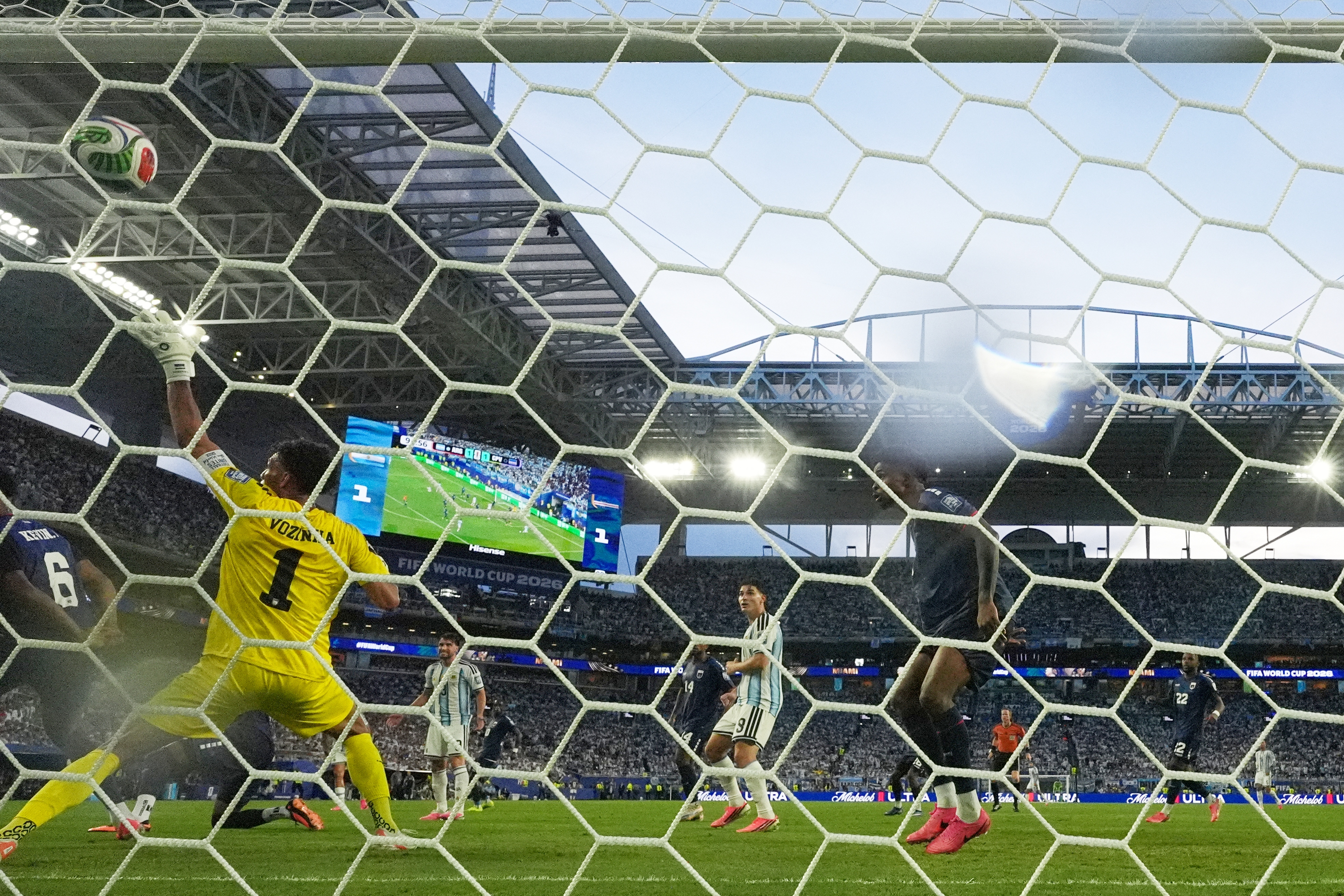
Colombia just sent a massive warning shot to the rest of the football world. If you watched the match in Kansas City, you know exactly what I am talking about. The stadium was a sea of yellow, the tension was suffocating, and Ghana was refusing to break. Then came the moment. That spectacular gol de Jhon Arias turned Kansas City into absolute chaos, breaking a grueling deadlock and proving that this Colombian team has the tactical maturity to go all the way in 2026.
Most casual fans look at Colombia and think of Luis Diaz or James Rodriguez. They look for the flashy dribbles on the wing or the classic Hollywood passes. But true students of the game know that Jhon Arias is the real engine of Nestor Lorenzo's system. When he found the back of the net against Ghana, it was not just a lucky strike or a defensive blunder. It was the result of hours of synchronized pressing, structural discipline, and a player who knows how to exploit spaces that ordinary wingers do not even see. Also making headlines in this space: Why England Face A Nightmare Scenario Against Mexico At The Azteca.
The tactical breakdown of the gol de Jhon Arias that broke Ghana
Ghana came to play a very specific brand of restrictive football. They set up a low block that crowded the central areas, forcing Colombia to circulate the ball slowly from side to side. For the first forty-five minutes, it felt like watching paint dry. Colombia had possession but lacked penetration. James was dropped deep, trying to pull the strings, but Ghana's defensive lines shifted with perfect discipline.
The breakthrough did not happen by accident. Nestor Lorenzo made a subtle tactical tweak at halftime that altered the geometry of the pitch. He told Arias to stop hugging the right touchline. Instead, Arias began drifting inside into the half-spaces, occupying the gap between Ghana's left-back and their central defenders. More information regarding the matter are explored by Yahoo Sports.
When the goal finally materialized, it was a masterclass in modern positional play. Richard Rios recovered the ball in the middle third. Instead of rushing a long pass to Luis Diaz, he played a short, punchy ball to James. At that exact second, Arias triggered his run. He did not run straight toward the goal. He made a curved diagonal run behind the defensive line. James delivered a perfectly weighted pass, and Arias finished with the kind of composure you expect from a veteran striker. The stadium erupted.
Why Ghana's defensive structure collapsed in the second half
Ghana's strategy relied entirely on physical endurance and zonal coverage. In the first half, their midfielders worked tirelessly to cover the passing lanes. But playing that way takes a massive toll on your legs. By the sixty-minute mark, the fatigue started showing.
- The distances between their midfield line and defensive line grew from a tight five meters to a loose twelve meters.
- The left-back got dragged wide by the overlapping runs of Daniel Munoz, leaving a massive vacancy inside.
- The central defenders failed to communicate when Arias made his inside run, leaving him completely unmarked for two crucial seconds.
Two seconds is all a player of his caliber needs. When you give a South American champion that much room in the penalty box, you are asking for trouble.
Why Jhon Arias is the unsung hero of Nestor Lorenzo
To understand why this goal matters so much, you have to look at what Arias brings to Fluminense and how he brought that exact same identity to the national team. He is not a traditional winger who wants to beat his man down the line every single time. He is a hybrid player. He behaves like an extra midfielder when Colombia needs to control the tempo, but he transitions into a lethal forward the moment the ball enters the final third.
People often forget how hard it is to balance a team that features both James Rodriguez and Luis Diaz. Diaz requires a lot of isolation play on the left. James needs players who will run for him since he does not possess the same defensive work rate he had a decade ago. Arias is the glue. He works backward, covers the right flank when Munoz pushes forward, and still has the stamina to arrive in the box to score the match-winner.
The numbers behind his incredible work rate
If you look at the tracking data from the Kansas City match, the sheer volume of his movement is staggering. He covered over eleven kilometers during the ninety minutes. What is even more impressive is his high-intensity sprint volume. Most wingers drop off significantly in the second half. Arias actually registered his fastest sprint of the match right before scoring the opening goal.
He won six of his eight ground duels. He completed ninety percent of his passes in the final third. Those are not typical numbers for an attacking player. Those are the statistics of a world-class box-to-box midfielder who just happens to play on the wing.
The incredible atmosphere in Kansas City that fueled the team
We need to talk about the crowd. Kansas City has quietly become one of the most electric football environments in the United States. The local fans are passionate, but when the Colombian diaspora turned up, they turned the venue into a virtual home match for Los Cafeteros.
From the opening whistle, the noise level was deafening. Every single tackle was celebrated like a goal. Every corner kick felt like a major event. When Arias scored, the absolute madness that ensued was something you rarely see in neutral stadiums. Pots, pans, yellow smoke bombs, and thousands of screaming fans created an environment that clearly rattled the Ghanaian players.
Football is a game of emotions. When a team feels that kind of unconditional backing from the stands, they run faster. They press harder. Ghana looked physically spent, but Colombia looked like they could have played another ninety minutes. That energy came directly from the fans in Kansas City.
What this victory means for Colombia's path forward
This was not just a friendly or a simple group stage match. This was a statement of intent. For years, Colombia was viewed as a team that could play beautiful football but lacked the mental toughness to win ugly games. Under Lorenzo, that narrative is dead.
Winning against an African powerhouse like Ghana requires more than just technical skill. It requires tactical patience. You have to accept that you will not score in the first fifteen minutes. You have to keep moving the ball, wearing down the opposition until they make a mistake. Colombia did exactly that.
Immediate next steps for the coaching staff
Now that the celebration has died down, Lorenzo faces some interesting tactical choices for the next matches.
- Manage the physical load of the key players: Players like Arias and Diaz play an intense style of football. Rotating them early in games where the result is secured will be vital to keeping them fresh for the knockout stages.
- Refine the right-side chemistry: The partnership between Munoz and Arias is working beautifully, but they sometimes leave too much space behind them when both push forward simultaneously. A top-tier counter-attacking team will exploit that if the defensive midfielder does not cover properly.
- Keep James integrated but protected: James showed his class with the assist, but his lack of mobility means the rest of the midfield must continue to do the heavy lifting defensively.
Colombia has shown they can break down a stubborn low block. They have shown they can handle the pressure of playing in front of a demanding crowd. With Arias playing at this level, nobody should want to face this team in the knockout rounds. They are organized, they are hungry, and they have the tactical flexibility to beat you in three or four different ways. The victory in Kansas City is just the beginning.