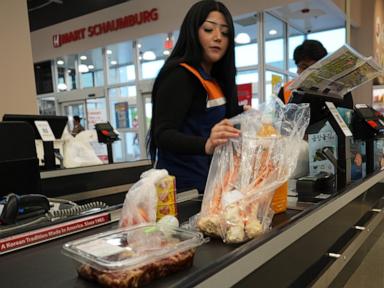
You walk into a local supermarket intending to buy a pint of milk and some trash bags, but you walk out with a professional-grade power washer and a full set of equestrian gear. It's the classic curse of the middle aisle. But soon, residents in a suburb of Belfast will face a entirely different temptation. They'll be able to stroll next door for a cheap pint of craft pilsner or a budget spritz at a custom-built public house.
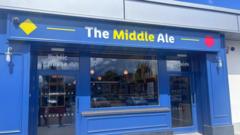
The budget German grocery giant is officially launching its first-ever permanent pub. Named The Middle Ale in a self-aware nod to its chaotic center aisles, the £500,000 venue is taking shape in Dundonald, County Down.
It looks like an aggressive corporate move into the hospitality sector, but the reality is much more fascinating. This isn't a random diversification strategy or a cheap marketing stunt. It's a calculated legal workaround. Lidl was essentially forced to build a fully functioning bar just to sell regular bottles of wine and beer to its grocery shoppers.
Inside Northern Ireland's Draconian Alcohol Laws
To understand why a major multinational is suddenly hiring bar staff and obsessing over pub interior design, you have to look at Northern Ireland’s intensely protective, century-old licensing system.
The system relies heavily on the surrender principle, a legal framework dating back to 1902. Under these rules, the total number of liquor licenses in the region is strictly capped. If you want to open a new off-license to sell alcohol for home consumption, you can't just apply for a permit. You have to find an existing license holder somewhere else, convince them to sell, and legally "surrender" that license to the courts.
Supermarkets and small grocery stores face an even higher hurdle known as the inadequacy test. To secure an off-sales license, a retailer must prove in court that the existing alcohol outlets in the immediate locality are completely inadequate to serve the public demand.
Lidl has operated its Dundonald store for over 20 years. For two decades, locals couldn't buy a single bottle of wine or pack of beer there because the local off-license operators successfully argued in court that the area was already well-served.
But Lidl found a brilliant, completely legal loophole.
The surrender principle treats pubs and supermarket off-licenses differently. When two local traditional bars in the Dundonald area shut down, their licenses became available. Lidl didn't qualify for a standard supermarket liquor license under the inadequacy test, but they did qualify to open a public house because the loss of those two traditional bars created a genuine deficit in local hospitality options.
Crucially, under Northern Irish law, a valid public house license automatically grants the holder the right to operate an adjacent, connected off-sales section. By building a physical pub next to their supermarket, Lidl finally unlocked the right to sell alcohol to their grocery shoppers.
A Six Year Legal War with Rivals
The path to building a supermarket boozer wasn't smooth. It turned into a six-year legal saga that wound its way to the High Court in Belfast.
Local off-license chains and rival independent publicans saw the strategy for exactly what it was: a backdoor entry into their market. A rival off-license operator, Philip Russell Ltd, mounted a fierce legal challenge to block the planning permission, claiming Lidl was exploiting an unlawful loophole to bypass the spirit of the licensing laws.
The legal battle dragged on until Mr Justice Colton ultimately dismissed the rivals' objections. The High Court ruled that while the setup was definitely unusual, the law didn't forbid businesses from taking an innovative approach.
The ruling established a fascinating precedent. Innovation isn't a ground for legal refusal.
What Punters Can Expect at The Middle Ale
Instead of sitting directly inside the grocery store among the checkout lines, the new 84-square-meter venue is a standalone building positioned adjacent to the main Dundonald supermarket. It features its own dedicated entrance and completely independent operations.
Lidl brought in Gordon Devenney, a top hospitality interior designer from the O'Donnell O'Neill Design Company, to shape the look. The space accommodates up to 60 customers and aims for a genuine, high-quality community tavern feel rather than a cold corporate cafeteria.
The project creates eight permanent jobs, including roles for a dedicated bar manager and attendants. The drinks menu will showcase selected lines from Lidl’s own private-label alcohol range, which has built a massive cult following for its affordable clones of big-name brands.
Punters will be able to order drinks like:
- Perlenbacher Pilsner: Nominated as the world’s best classic pilsner at major industry awards.
- Excelsior Lager: The chain's staple budget-friendly blonde beer.
- Bitterol Spritz: A direct, highly popular dupe of Aperol.
To balance out their own discount lines and appease local critics, the bar will also feature a rotating selection of beverages sourced directly from Northern Irish craft breweries and distilleries.
The Rising Trend of Retail Hospitality
While Lidl's permanent pub is driven by hyper-local legal quirks, it fits perfectly into a broader shift in how major retail brands use hospitality to drive foot traffic.
The traditional high street model is struggling, and brands are realizing that selling an experience keeps people around much longer than just selling a commodity. The Newcastle-born bakery chain Greggs made waves by opening a five-month pub residency inside a major department store, complete with a Champagne bar serving gourmet bakes alongside expensive fizz. Tesco and Sainsbury’s have both experimented with temporary pop-up bars in London to mark major national events or showcase low-alcohol ranges.
The difference here is permanence. This isn't a two-week marketing activation. It's a permanent, half-a-million-pound structural addition to a suburban shopping center.
Whether this model spreads across the rest of the UK and Ireland remains to be seen. In regions without the strict surrender principle, the financial incentive to build a literal tavern next to a grocery store isn't nearly as high. But as a masterclass in regulatory hacking, it's brilliant.
If you happen to find yourself in County Down, you can now grab a trolley, pick up your weekly groceries, and finish your trip by walking next door for a remarkably cheap pint of award-winning German pilsner. Just try not to buy a chainsaw on your way out.