Writing a check after a horrific accident is a noble act. It makes headlines. It eases immediate financial terror for families left behind. But it does absolutely nothing to fix the systemic reality that kills working-class expats on the fast lanes of the Emirates.
A recent crash on Emirates Road, right near the Dubai-Sharjah border, laid this stark reality bare. A minibus packed with seventeen workers slammed into the back of a stalled truck. The impact killed seven men and injured nine others. Six of the dead were Indian nationals, hailing from Uttar Pradesh and Telangana. One was from Sri Lanka. They were coming back from a hard day's work at a Dubai construction site, heading toward their accommodation in Sharjah. For an alternative look, see: this related article.
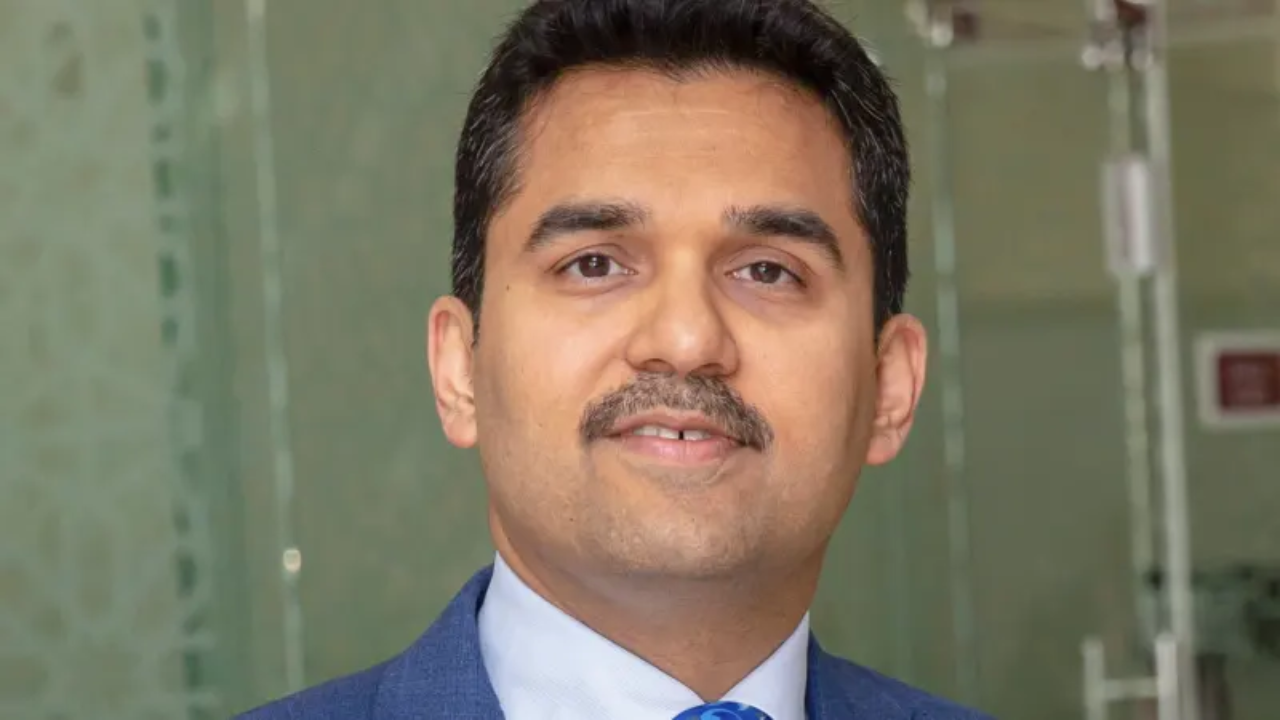
Then, the news cycle shifted from tragedy to philanthropy. Dr. Shamsheer Vayalil, an Indian-origin billionaire and the chairman of Burjeel Holdings, stepped forward with a Dh1 million humanitarian aid package.
It is a massive gesture. It matters immensely to the families who just lost their primary breadwinners. But if we only praise the donation without dissecting the crash itself, we miss the point entirely. Related analysis regarding this has been shared by Wikipedia.
The Math of Direct Emergency Aid
Let's break down where this Dh1 million is actually going. It isn't a vague, lump-sum corporate donation. It is structured to hit the immediate pain points of the victims' families, and that structural layout shows an understanding of expat worker realities.
- Dh700,000 for the Bereaved: The families of the seven deceased workers receive Dh100,000 each. For a family in rural India or Sri Lanka, this keeps them from instantly falling into destitution.
- Dh180,000 for Medical Recovery: This money goes directly toward the treatment and rehabilitation of the nine injured survivors.
- Dh70,000 for Logistics: Covering emergency travel and accommodation for relatives who have to fly into the UAE to identify bodies or visit hospitals.
- Dh50,000 for Education: Specifically set aside to keep the children of these affected households in school.
Dr. Vayalil noted that these workers came to the UAE with hopes, responsibilities, and dreams for their loved ones. He's right. The financial safety net helps, especially since it applies regardless of nationality. But why do these specific tragedies keep happening to this specific demographic?
The Anatomy of the Emirates Road Crash
The physical dynamics of this accident tell a familiar, frustrating story. The minibus was carrying employees of a Dubai-based technical services company. According to preliminary investigations by the Dubai Police, a large truck stopped in the middle of Emirates Road because of a mechanical malfunction.
The minibus driver failed to maintain a safe distance. He didn't notice the stalled truck in time and rammed into it from behind.
Here is the detail most people overlook: the company later confirmed that the fatalities were almost exclusively men seated on the right side of the minibus. That side took the total brunt of the impact. It's a terrifyingly random variable—surviving or dying based purely on which seat you picked when you climbed into the van after your shift.
We see this pattern constantly. Stalled heavy trucks, fast-moving transport vans, fatigued drivers, and a total lack of reaction time. The Dubai Police explicitly warned motorists about the extreme danger of stopping in the middle of a highway due to a breakdown, tyre failure, or fuel shortage. Doing so carries a Dh1,000 fine and six traffic points under the Federal Traffic Law. But a fine doesn't stop a transmission from freezing up on a twelve-lane highway.
Why Commuting Between Dubai and Sharjah is a Safety Hazard
If you've ever driven the route between Dubai and Sharjah during peak hours, you know it's a pressure cooker. Thousands of industrial and construction workers are bussed back and forth daily. Companies house workers in Sharjah or the northern emirates because real estate is cheaper, but the projects are in Dubai.
This creates long, exhausting commutes. Drivers of these minibuses are often under tight schedules, navigating heavy traffic and driving long hours. When you combine driver fatigue with high-speed limits on roads like Emirates Road, the margin for error drops to zero.
A truck stalls. A minibus driver blinks. Seven families lose a father or a son.
Moving Beyond Corporate Philanthropy
We need to stop treating these accidents as unpredictable acts of God. They are systemic failures. While billionaire-backed aid packages provide vital relief, they shouldn't serve as a shield for employers or infrastructure managers to avoid harder conversations.
If we want to protect the people building the cities we live in, the next steps require a shift in how workforce transport is managed.
First, the transport vehicles themselves need a mandatory upgrade. Minibuses are incredibly vulnerable in high-speed rear-end collisions. Tightening regulations on the types of vehicles allowed to transport workers—and requiring advanced driver-assistance systems like automatic emergency braking—would save more lives than any post-crash fund ever could.
Second, tracking driver hours must be non-negotiable. Commercial transport drivers should be subject to strict rest regulations, monitored by digital tachographs. A tired driver is just as dangerous as a broken-down truck.
The Dh1 million aid package is a necessary lifeline for sixteen families dealing with sudden, catastrophic grief. It handles the immediate fallout. But true corporate responsibility isn't just about cleaning up after a tragedy—it's about pressuring the industry to make sure the tragedy never happens in the first place.