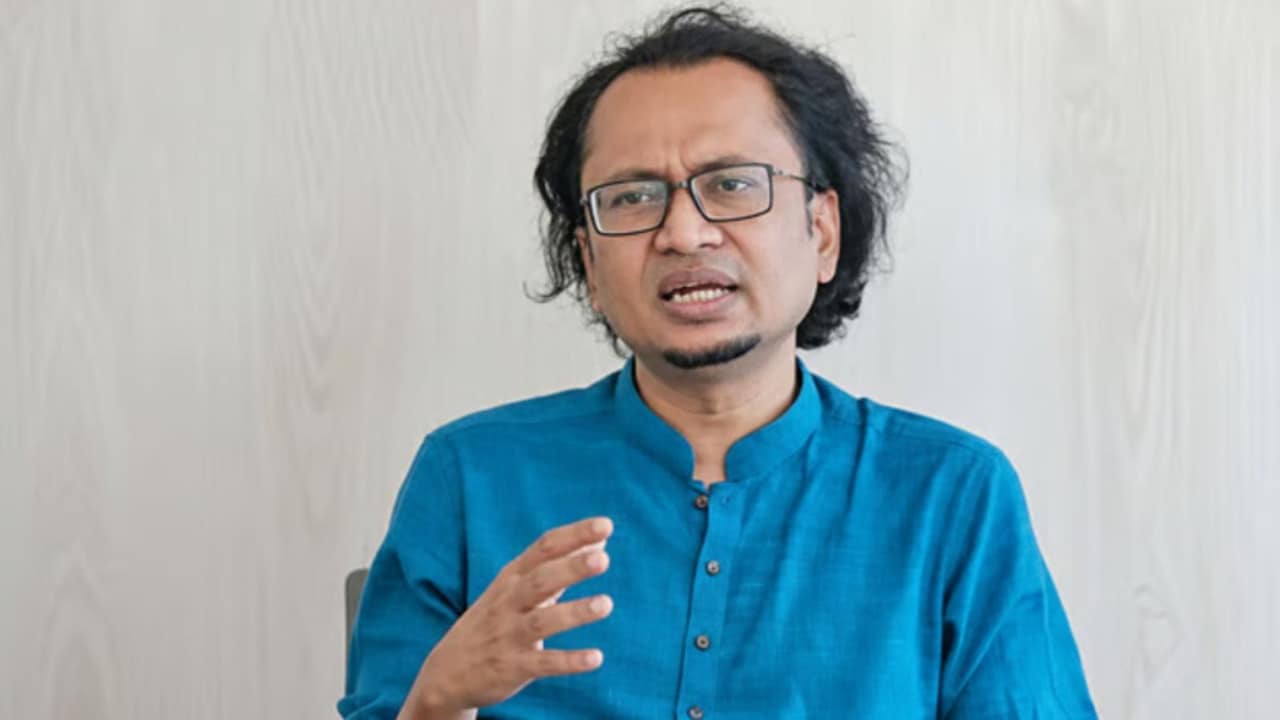
You've probably seen the recent headlines about the diplomatic friction between Dhaka and New Delhi. When Dr. Zahed Ur Rahman, a top policy and strategy adviser to Bangladesh's new Prime Minister Tarique Rahman, got held up at New Delhi's IGI Airport, things got tense fast. He chose to fly back home instead of entering India, Dhaka summoned the Indian Deputy High Commissioner, and suddenly, talk shows were full of predictions about a permanent frost in bilateral relations.
But if you think this airport drama means the two neighbors are about to break off ties, you're missing the bigger picture.
The media loves a good standoff, but geography and economics don't care about hurt feelings at an immigration desk. Bangladesh wants to strengthen ties with India because it simply has no other choice if it wants to keep its economy afloat. And India needs a stable, cooperative Dhaka just as badly. Let's strip away the political theater and look at what's actually happening on the ground.
The Cold Reality of Interdependence
When Tarique Rahman’s Bangladesh Nationalist Party (BNP) took power in February 2026, plenty of analysts predicted a sharp geopolitical turn. For years, New Delhi enjoyed a close relationship with Sheikh Hasina's administration. A shift in Dhaka's leadership naturally made people nervous.
But campaign rhetoric is one thing; running a country is another.
Take a look at the trade numbers. Bilateral trade sits at roughly $14 billion. India exports nearly $12 billion in goods to Bangladesh every year, ranging from essential agricultural commodities to industrial raw materials. If Dhaka tries to shut that door, inflation hits the local markets by tomorrow morning.
It gets even more urgent when you turn on the lights. Bangladesh pulls over 2.4 gigawatts of electricity from the Indian grid every single day to power its factories and homes. On top of that, the Bangladesh-India Friendship Pipeline pipes refined petroleum straight into northern Bangladesh. You don't just flip a switch and undo that kind of infrastructure because of a bad day at airport immigration.
Moving Beyond the Security Fixation
For a long time, India viewed its eastern neighbor primarily through a security lens. New Delhi wanted guarantees that insurgent groups targeting India's Northeast wouldn't find safe haven across the border. While that remains an absolute priority for Indian intelligence agencies, the relationship has grown into something much more complex.
Today, it's about transit and logistics. India uses Bangladeshi territory to move goods between its mainland and the isolated northeastern states. This transit cuts down transportation times, slashes logistics costs, and drives the economies of local border communities on both sides.
When Zahed Ur Rahman speaks about wanting stable ties, he's acknowledging that disrupting this flow hurts ordinary citizens. Dhaka's current strategy isn't about giving India a blank check, but it's certainly not about starting a trade war either. It's a calculated, transactional approach designed to protect domestic interests.
Balancing Between New Delhi and Beijing
If you look at how Prime Minister Tarique Rahman is scheduling his foreign trips, you can see the tightrope he's walking. Choosing Malaysia for his first official overseas visit instead of rushing to New Delhi or Beijing wasn't an accident. It was a clear signal that Dhaka is trying to establish a more neutral, balanced position in a region dominated by superpower competition.
Bangladesh's Foreign Policy Tightrope:
- India: Deep trade, shared border, vital energy supply
- China: Heavy infrastructure investment, manufacturing loans
- Southeast Asia: New diplomatic pathways to reduce bilateral pressure
The administration is trying to escape the old trap of being forced to choose sides. They want Chinese investment for infrastructure, but they need Indian cooperation for daily economic survival. It's a pragmatic, albeit messy, balancing act.
What Happens Next
The current diplomatic friction isn't going to vanish overnight, but the underlying structural ties are too heavy to fail. If you're watching this space, ignore the shouting matches on social media and focus on these practical next steps:
- Watch the energy renewals: Keep an eye on the upcoming power and fuel contract negotiations between Dhaka and New Delhi. These will show the real temperature of the relationship.
- Track the border infrastructure: Look at whether work continues on land ports and railway links. If concrete is being poured, the partnership is moving forward, regardless of political statements.
- Monitor security coordination: The true test of trust will happen quietly between the border forces and intelligence agencies, away from public view.
The political leadership in both capitals might change, and administrative blunders will cause occasional outrage, but the basic facts remain. Neither country can afford a hostile neighbor. Expect more public posturing, but behind closed doors, expect business to continue as usual.