Heavy armor isn't dead. It's just adapting to a completely terrifying reality.
If you spend any time tracking the frontline footage out of Ukraine, you know how brutal the skies have become. First-Person View (FPV) drones have turned the battlefield into a constant surveillance and strike zone. Vehicles that used to feel like rolling fortresses are getting ripped apart by cheap, explosive quadcopters.
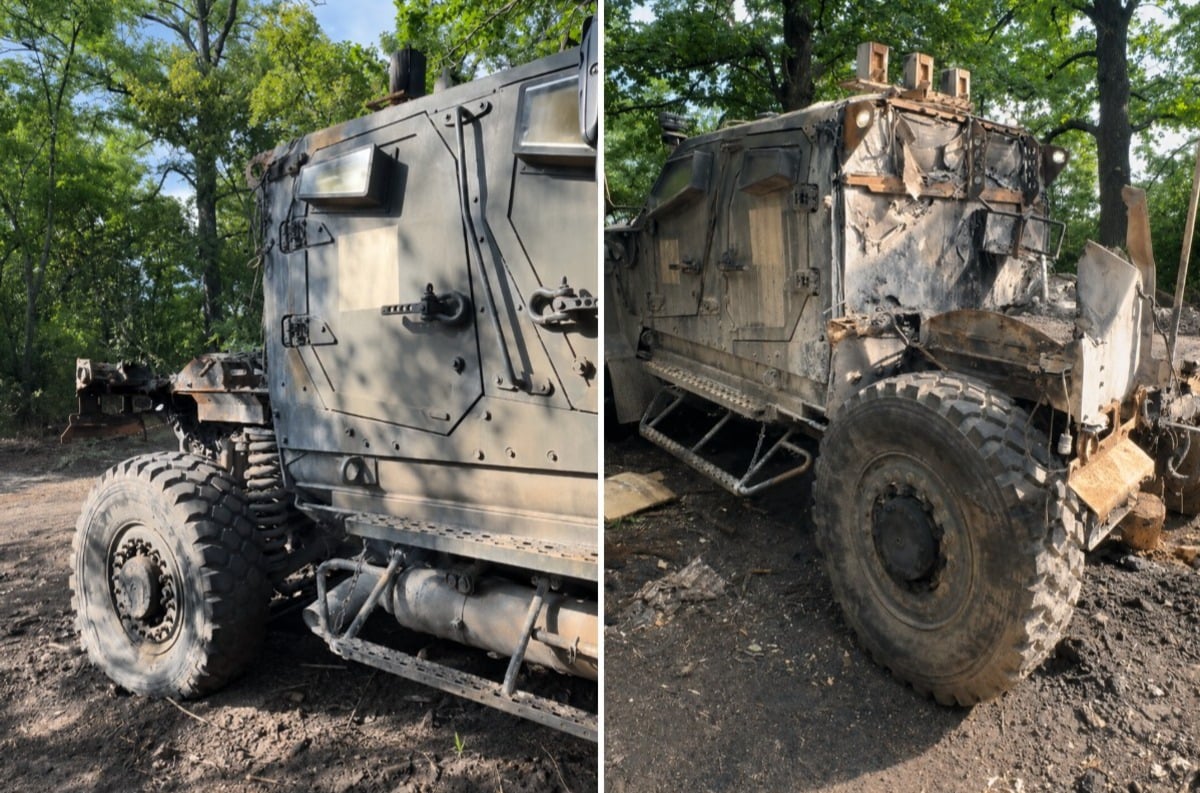
But a recent video published by Ukrainian forces gives a different perspective. It shows the messy, blackened aftermath of a Russian fiber-optic FPV drone strike on a U.S.-built Oshkosh M-ATV (MRAP All-Terrain Vehicle). The drone hit hard. The vehicle took massive damage. Yet, every single Ukrainian soldier inside walked away.
This wasn't a fluke. It's engineering working exactly how it was designed to.
Built for Afghanistan, Surviving Ukraine
The Oshkosh M-ATV wasn't built with drone swarms in mind. The Pentagon ordered these vehicles back in 2009 to solve a specific, lethal problem in Afghanistan: Improvised Explosive Devices (IEDs). The standard Humvees were getting torn apart by roadside bombs, and the early, massive Mine-Resistant Ambush Protected (MRAP) vehicles were too heavy and clumsy for mountain paths.
The M-ATV combined the off-road mobility of a smaller truck with the heavy-duty blast protection of a massive armored carrier. It features a distinct V-shaped hull designed to deflect blast energy away from the crew compartment.
Fast forward to today. The threat has shifted from buried artillery shells to kamikaze drones guided over fiber-optic cables, which bypass electronic jamming systems completely. When that Russian drone slammed into the M-ATV, the vehicle's armor layout absorbed the brunt of the directional explosion. The outer shell crumpled, the glass shattered, but the core capsule holding the soldiers held its ground.
What Shrapnel Does to Flesh
People look at military hardware and focus on the guns or the speed. Honestly, what matters most is the structural integrity of the crew cabin.
In light transport vehicles or older Soviet-era armored personnel carriers, a direct hit from a shaped-charge drone usually results in catastrophic failure. The copper jet from the explosion cuts through thin metal, spraying molten fragmentations inside the cabin. If the blast doesn't kill you, the pressure wave or the fire will.
The M-ATV relies on a Plasan-designed armored capsule. It uses composite materials that stop the spalling effect—where the inside of the metal wall breaks off into lethal flying shards upon impact. The crew seats are also suspended from the ceiling and frame rather than bolted to the floor, minimizing the shockwave transferred to the human spine.
When you see a crew filming the wreckage of their own vehicle, smiling and showing off a destroyed engine block or cracked armor plates, you're looking at a successful engineering design. The truck is scrap metal, but the team lives to fight another day.
The Real Cost of Vehicle Attrition
Military analysts talk about attrition rates constantly. They look at spreadsheets tracking how many hulls are lost on either side. But there's a massive blind spot in that math: the cost of replacing human experience.
If a drone destroys a vehicle and kills the four highly trained soldiers inside, that unit loses months of combat experience, cohesion, and specialized skills. It takes time and money to train replacements. If the vehicle is destroyed but the crew survives, you just need to bring in another truck from the logistics lot. The crew is back in action within days, bringing their hard-earned combat experience with them.
That's the real value of Western armor transfers to Ukraine. Vehicles like the M-ATV, the Bradley, and various MRAPs aren't invincible. They get tracked, hit, and burned every single week. But they act as literal shields, trading steel for human lives.
What Happens Next on the Frontline
The battle between drones and armor isn't stopping. Right now, mechanics on both sides are welding custom steel cages, adding explosive reactive armor blocks, and installing short-range electronic jammers to anything with wheels.
If you want to understand where modern land warfare is going, keep your eyes on how these physical platforms hold up against evolving aerial threats. Steel can always be melted down and replaced. Human capital can't.
If you are tracking Western equipment performance or military tech updates, look closely at the survival rates of crews, not just the loss of the vehicles themselves. Check out independent military databases like Oryx or weapons tracking forums to see the data on structural survivability under drone impacts.

,webp/024/987/765/v2/2560x1440.209.webp)