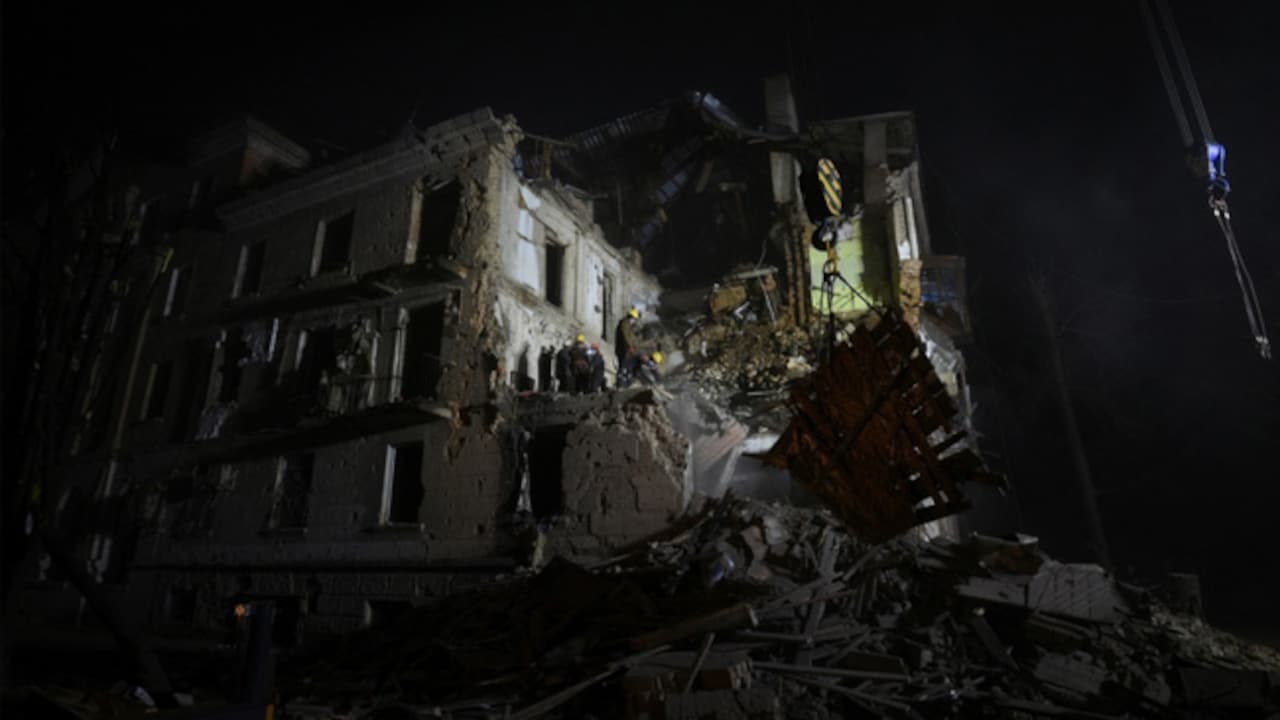
The geography of the war has officially shifted. For the first few years of the conflict, the average resident in central or eastern Russia only experienced the war through state television broadcasts. That era is over. Today, air-raid sirens are sounding in regions thousands of kilometers away from the Ukrainian border, disrupting the daily lives of millions of Russian citizens who previously felt entirely insulated from the fighting.
A recent data analysis reveals a staggering change in Ukraine's deep-strike capabilities. Air-raid warnings and missile alerts have expanded to cover areas that house over 70% of the Russian population. This isn't just about a few stray drones hitting border towns anymore. We are looking at a sustained, systemic campaign that places nearly half of the world's largest country within active range of Ukrainian fire. Also making news recently: Why Ukrainian Drone Attacks On Oil Refineries Left Russia Scrambling For Gas This Summer.
If you think this is just a psychological stunt, you're misreading the tactical reality. The introduction of long-range weapons like the modified Neptune and the brand-new Flamingo missile systems has redrawn the map of the conflict. It's forcing Moscow to rethink its entire domestic air defense strategy.
The New Reach of Ukrainian Ordnance
The numbers tell a story that official press releases try to minimize. In just the past few months, missile alerts have become common in places that used to be considered completely safe rear areas. Further information on this are covered by Wikipedia.
Look at the Volga Federal District, located well southeast of Moscow. Air-raid warnings have rattled residents across five distinct regions in that district alone. Alerts have also flashed across the southern Astrakhan region, roughly 900 kilometers from Ukrainian territory. Even the North Caucasus, sitting anywhere from 800 to 1,200 kilometers away, has seen its air defenses triggered.
Central Russian provinces like Vladimir, Tambov, Orel, and Lipetsk are now regular fixtures in military alert logs. The geographic reality is simple. Ukraine has successfully expanded its strike bubble from a narrow strip of border territory into a massive zone stretching deep into the Russian heartland.
Striking the Deep Rear
The physical damage matches the expanding alert map. Take the Ufa oil refinery, located a massive 1,300 kilometers from the front lines. It has been struck multiple times. In the Penza region, a military-industrial facility responsible for manufacturing critical Russian missile components was successfully targeted 700 kilometers away from Ukraine.
Even more shocking to Russian planners was an alert reported in Omsk, western Siberia. Omsk sits nearly 3,000 kilometers away from the Ukrainian border. When air defenses are waking up in Siberia, the old strategic assumptions are officially dead.
The Tech Behind the Targets
How did a military that started the war relying mostly on short-range Soviet legacy systems pull off this massive expansion? They didn't do it by relying solely on Western-supplied weapons, which often come with strict political strings attached regarding strikes inside Russian territory. They did it by building their own hardware.
The Evolution of the Neptune
The R-360 Neptune was originally designed as an anti-ship missile. It famously sank the Russian cruiser Moskva earlier in the war. But Ukrainian engineers didn't stop there. They modified the guidance systems and fuel capacities to convert the Neptune into a devastating land-attack weapon.
By swapping the heavy radar seekers meant for ships with advanced GPS and terrain-matching technology, they created a low-flying missile that can dodge radar by hugging the ground. The range has been pushed far past its original 300-kilometer limit.
Enter the Flamingo
The newest addition to Ukraine's long-range arsenal is the Flamingo missile system. While technical details remain tightly guarded by the Ukrainian Ministry of Defense, operational data shows the Flamingo is designed specifically for deep-theater interdiction.
It combines a high-efficiency solid-fuel motor with a significant payload capacity. This allows it to fly at high speeds over distances exceeding 1,500 kilometers. This weapon gives Kyiv a domestic option that avoids any diplomatic vetoes from Washington or Brussels.
Shifting From Frontline Defense to Economic Attrition
The strategy here isn't about capturing Russian territory. Ukraine doesn't have the manpower or the desire to march on Moscow. The goal is economic and logistical strangulation.
By hitting oil refineries in places like Yaroslavl and Slavyansk-na-Kubani, Ukraine is targeting the financial engine that funds the Russian war machine. The Slavyansk facility alone processes close to four million tons of crude oil every single year. It's a prime source of refined petroleum products destined for export through Russia's Black Sea ports. Knocking out these facilities cuts off the cash flow and starves frontline military units of fuel.
The Domestic Political Pressure
There's also a massive psychological component to these strikes. Russian President Vladimir Putin recently went on state television to address the attacks. He claimed the strikes have absolutely no effect on the situation at the front lines. He argued that Ukraine is simply trying to split Russian society and force a pause in troops' advancement.
But the very fact that the Kremlin has to publicly downplay the strikes shows that they are causing anxiety. When regional governors have to shut down major highways between Moscow and regional capitals due to enemy actions, the civilian population notices. The illusion of a distant, cost-free war has completely vanished for the average Russian citizen.
What Most People Get Wrong About This Expansion
A common misconception is that Ukraine is just blindly firing missiles into Russia to cause panic. That's a fundamental misunderstanding of how restricted Ukraine's resources actually are. Every missile fired represents months of domestic production or precious components smuggled past international sanctions. They can't afford to waste them.
Every target is chosen for its systemic value.
- Component Factories: Hitting facilities like the one in Penza slows down the production of Russian precision guided munitions.
- Refinery Infrastructure: Targeting distillation columns, which are incredibly difficult to replace due to Western technology sanctions, causes long-term production halts.
- Logistical Junctions: Forcing the relocation of air defense assets away from the front lines to protect domestic factories creates gaps in the frontline radar umbrella.
When Ukraine forces Russia to pull a Pantsir or S-400 air defense system away from the Donbas to guard a factory in the Volga region, Ukraine wins a tactical victory on the battlefield without even firing a shot there.
Actionable Next Steps for Tracking the Conflict
If you want to keep an accurate view of how this long-range campaign develops, stop relying solely on major state media summaries. Follow these practical steps to monitor the real-time shifts in strategic depth.
1. Monitor Regional Russian Telegram Channels
Local channels in regions like Lipetsk, Tambov, and Voronezh often post video evidence of air-raid sirens and air defense activity hours before official ministries acknowledge an incident. Look for localized aggregator channels that report on municipal infrastructure closures.
2. Track Oil Sector Outages
Watch the global energy market reports for specific data on Russian refinery processing volumes. When a facility like Yaroslavl or Slavyansk is hit, the immediate drop in export capacity tells you exactly how successful the strike was, regardless of claims from either military's press office.
3. Watch Air Defense Asset Relocation
Keep an eye on independent satellite imagery analysis providers. Changes in the deployment patterns of Russian long-range surface-to-air missile batteries around major industrial hubs will show you exactly which areas the Kremlin feels are most vulnerable to the new wave of Ukrainian missiles.